

Have you ever wondered if your romaine lettuce is truly clean? You’re not alone. Many people enjoy fresh salads but worry about the potential risks of contaminants lurking on their greens.
Key Takeaways
- Sanitizing romaine lettuce is essential to prevent foodborne illnesses caused by contaminants like E. coli and Salmonella.
- Proper sanitation helps extend the shelf life of lettuce, reducing food waste and preserving its nutritional value.
- Following a simple process of rinsing, creating a sanitizing solution, soaking, and rinsing again ensures safe consumption.
- Common mistakes to avoid include skipping rinses, using excessive sanitizer, and neglecting tool cleanliness.
- For optimal freshness, store romaine lettuce in a cold environment, use breathable containers, and check regularly for spoilage.
Importance Of Sanitizing Romaine Lettuce
Sanitizing romaine lettuce prevents foodborne illnesses. Contaminated greens can harbor bacteria like E. coli and Salmonella. These pathogens pose health risks, especially to vulnerable individuals like children and the elderly.
Sanitizing also extends the shelf life of your lettuce. Clean greens remain fresher for longer periods, reducing food waste. When you clean your romaine, it not only looks appealing but retains its nutritional value.
Additionally, sanitizing enhances the flavor of your salads. Clean romaine delivers a crisp, fresh taste without off-putting flavors from contaminants. You enjoy a better eating experience when your ingredients are clean and safe.
Sanitizing romaine lettuce ensures safety, preserves freshness, and improves flavor. By taking this crucial step, you protect your health and enhance your meals.
Steps To Sanitize Romaine Lettuce
Sanitizing romaine lettuce effectively removes dirt, pesticides, and harmful bacteria. Follow these steps to ensure your greens are safe to eat.
Recommended Products

REMOVES DIRT, WAX & RESIDUE: Washes away soil, wax coatings and surface residue from apples, berries, greens, peppers and everything in between, rinsing clean with no taste and no smell left behind.
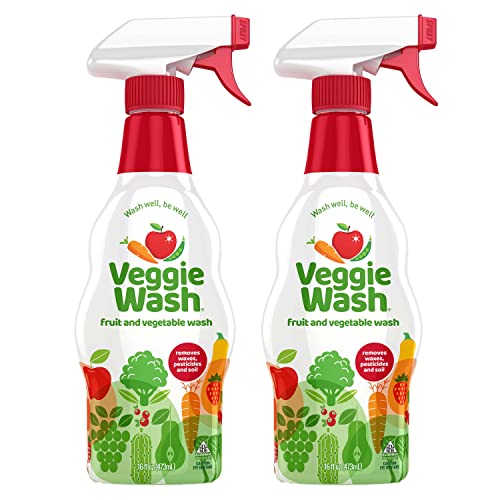
WASH WELL, BE WELL: safely removes wax, soil, agricultural chemicals, and handling residue found on both standard and organic fruits and veggies

EFFECTIVE FRUIT AND VEGETABLE CLEAN WASH: This natural produce wash stands out for its quality and effectiveness. It uses clean ingredients you can trust to refresh produce from delicate berries to crisp apples, ensuring each bite is pure and fresh.
Prepare The Cleaning Area
Designate a clean workspace for sanitizing the lettuce. Clear off any clutter and sanitize the surfaces with soap and water. Use paper towels to absorb moisture and create a hygienic environment.
Gather The Necessary Tools
Collect the following tools for sanitizing:
- Large bowl or basin
- Clean cutting board
- Knife
- Paper towels or clean cloths
- Measuring cup
- Spray bottle (optional)
Rinse The Lettuce
Rinse the romaine lettuce under cool, running water. Remove any outer leaves that appear wilted or damaged. This initial rinse helps eliminate surface soil and debris.
Create A Sanitizing Solution
Mix a sanitizing solution using one of these methods:
- Option 1: Combine 1 tablespoon of unscented liquid bleach with 1 gallon of water.
- Option 2: Use a commercial produce wash, following package instructions.
Ensure the solution is properly diluted for safe use.
Soak The Lettuce
Submerge the lettuce in the sanitizing solution. Allow it to soak for about 5 to 10 minutes. This step kills bacteria effectively and ensures thorough sanitation.
Rinse Again
After soaking, rinse the lettuce again under cool, running water. This final rinse removes any remaining sanitizing solution and ensures the lettuce is safe to eat. Pat the leaves dry with paper towels or a clean cloth before using or storing.
Common Mistakes To Avoid
- Skipping the Rinse
Skipping the rinse leaves dirt and contaminants on the surface of the lettuce. Always rinse romaine under cool, running water before sanitizing. - Using Too Much Sanitizer
Using too much sanitizer can leave chemical residue on the lettuce. Follow the recommended ratios for bleach or commercial washes to avoid this issue. - Soaking for Too Long
Soaking for too long can lead to flavor loss and nutrient degradation. Stick to a 5 to 10 minute soak for effective sanitization while preserving taste. - Neglecting Tools and Surfaces
Neglecting to sanitize your tools and surfaces can reintroduce harmful bacteria. Always clean cutting boards, knives, and countertops before starting. - Ignoring Wilted or Damaged Leaves
Ignoring wilted or damaged leaves can compromise the quality of your salad. Remove any bad leaves before rinsing and sanitizing the good ones. - Not Drying Lettuce Properly
Not drying lettuce properly can promote bacterial growth during storage. Use paper towels or a salad spinner to thoroughly dry your romaine before putting it away. - Using Dirty Containers for Storage
Using dirty containers for storage can contaminate sanitized lettuce. Always use clean, dry containers to keep your romaine fresh and safe. - Forgetting to Wash Hands
Forgetting to wash your hands before handling food can introduce germs. Always wash your hands with soap and water before starting the sanitization process.
Recommended Products

Maximum Lettuce-Drying, Minimum Effort: Use the OXO Salad Spinner's one-handed pump to thoroughly dry greens, beans, even use it as a fruit washer. The salad spinners best rated always include a superior rinse, spin, and dry like ours

Safe Material: All parts of the salad spinner are made of food grade material, keep your ingredients safe and health; It’s an essential kitchen device, also suitable for RV, camping, etc; Top rack dishwasher safe

COMPACT SALAD SPINNER, BIG PERFORMANCE — Small salad spinner packs full-size drying power in a space-saving design. One-hand pump spins lettuce, herbs & greens dry in seconds. Best rated by thousands. Perfect for apartments, couples & small kitchens.
Tips For Proper Storage
Store romaine lettuce properly to maintain its freshness and safety.
Keep It Cold
Refrigerate romaine lettuce as soon as possible. The ideal temperature is between 32°F and 36°F (0°C to 2°C). Cold temperatures slow spoilage.
Use the Right Container
Place romaine in a breathable container, like a perforated plastic bag. A container with ventilation helps prevent moisture buildup, which can lead to spoilage.
Wrap It
Wrap the lettuce in a dry paper towel before placing it in the storage bag. The towel absorbs excess moisture, keeping the lettuce crisp.
Avoid Cutting
Store whole heads of lettuce until you’re ready to use them. Cutting leaves increases exposure to air, speeding up spoilage.
Check Regularly
Inspect your lettuce for any wilted or damaged leaves. Remove those immediately to prevent them from affecting the rest of the lettuce.
Separate From Other Produce
Store romaine lettuce away from ethylene-producing fruits, like apples and bananas. Ethylene gas can cause lettuce to wilt faster.
Use Quickly
Aim to use your romaine lettuce within 5 to 7 days for the best flavor and texture. Fresh greens contribute to tastier salads.
Conclusion
Taking the time to sanitize your romaine lettuce is a simple yet effective way to enjoy your salads with peace of mind. By following the right steps and avoiding common mistakes you can significantly reduce the risk of foodborne illnesses.
Remember that fresh and clean greens not only taste better but also enhance your overall dining experience. With proper storage techniques you’ll keep your lettuce crisp and flavorful for longer. So next time you whip up a salad take a moment to ensure your greens are safe and delicious. Happy eating!
Frequently Asked Questions
Why is it important to sanitize romaine lettuce?
Sanitizing romaine lettuce is essential to eliminate harmful bacteria like E. coli and Salmonella, which can cause foodborne illnesses. This step protects consumers, especially vulnerable populations such as children and the elderly, ensuring a safer eating experience. Additionally, it helps extend the lettuce’s shelf life, preserving its nutritional value and reducing food waste.
What steps should I follow to sanitize romaine lettuce?
To sanitize romaine lettuce, first prepare a clean workspace. Rinse the lettuce under cool water and remove any damaged outer leaves. Then, soak it in a sanitizing solution of bleach and water or a commercial produce wash for 5 to 10 minutes. Finally, rinse again and pat the leaves dry before using or storing.
What common mistakes should I avoid when sanitizing lettuce?
Avoid skipping the initial rinse, using too much sanitizer, soaking the lettuce for too long, and neglecting to sanitize your tools and surfaces. Also, do not ignore wilted leaves or fail to dry the lettuce properly before storage. Additionally, always wash your hands before handling food.
How should I store romaine lettuce to maintain freshness?
Store romaine lettuce in the refrigerator at temperatures between 32°F and 36°F (0°C to 2°C). Use a breathable container, wrap it in a dry paper towel, and avoid cutting until ready to use. Check regularly for wilting and consume within 5 to 7 days for optimal freshness and taste.
Can sanitizing lettuce affect its taste or texture?
Properly sanitizing lettuce enhances its taste and texture. Clean greens are more appealing and flavorful, providing a better eating experience. Additionally, correct sanitization helps maintain the natural crunch and freshness of romaine lettuce, making salads more enjoyable.
