

Have you ever wondered why your lettuce isn’t thriving like you hoped? The secret might just be in how much water it’s getting each day. Growing crisp and delicious lettuce isn’t just about sunlight and soil; it’s also about finding that perfect balance of hydration.
Key Takeaways
- Water requirements vary: Different types of lettuce (like Iceberg, Romaine, Butterhead, and Leaf) have specific water needs, generally ranging from 1 to 2 inches per week.
- Environmental factors matter: Climate, soil type, growth stage, and humidity levels heavily influence how much water lettuce requires.
- Monitor soil moisture: Regularly check the top inch of soil; if it’s dry, it’s time to water. Utilize tools like moisture meters for precise measurements.
- Recognize signs of stress: Wilting, yellowing, or dry leaves indicate either overwatering or underwatering, requiring prompt adjustment of watering practices.
- Adopt efficient watering methods: Techniques such as drip irrigation or soaker hoses can effectively maintain moisture while minimizing water loss through evaporation.
- Timing is crucial: Water in the early morning for optimal absorption, adjusting the frequency based on environmental conditions and the growth stage of your lettuce.
Understanding Lettuce Water Requirements
Lettuce needs proper hydration for healthy growth. Various factors influence the amount of water required, and different types of lettuce have unique needs.
Factors Affecting Water Needs
- Climate and Temperature: Warm temperatures increase evaporation rates, necessitating more water. In hot conditions, lettuce might need irrigation every day.
- Soil Type: Sandy soils drain faster than clay soils. Lettuce in sandy soil might require more frequent watering to maintain moisture levels.
- Growth Stage: Young lettuce plants need less water than mature ones. As lettuce grows larger, its demand for water rises significantly.
- Humidity Levels: Low humidity causes faster water loss through transpiration. Adjust the watering schedule accordingly on dry days.
- Iceberg Lettuce: This type thrives on consistent moisture. Water requirements range from 1 to 1.5 inches per week.
- Romaine Lettuce: Romaine enjoys ample water, needing about 1.5 to 2 inches each week for optimal growth.
- Butterhead Lettuce: Typically requires around 1 to 1.5 inches weekly. It prefers slightly moist soil to prevent wilting.
- Leaf Lettuce: Water needs vary, often requiring about 1 inch per week, depending on growth conditions.
Understanding these factors helps you provide the right amount of water, ensuring your lettuce stays healthy and vibrant.
Daily Water Needs for Lettuce
Lettuce requires specific amounts of water for optimal growth. Understanding daily water needs helps you provide the right hydration.
Recommended Products
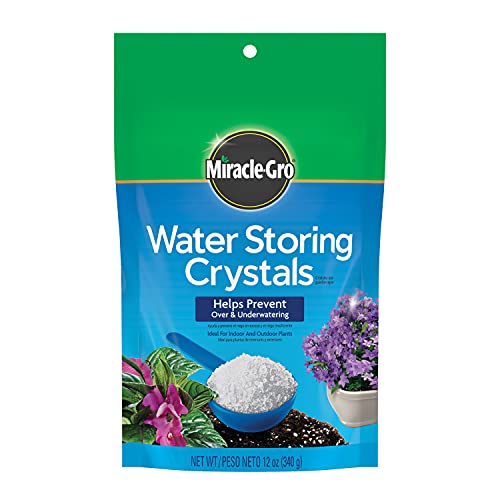
Prevents Over and Under Watering: Miracle-Gro Water Storing Crystals absorb moisture and release it back to your plants as needed, helping to prevent over and underwatering
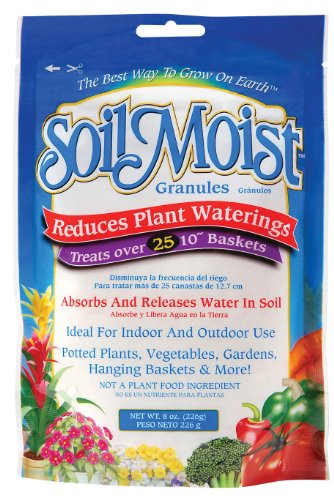
Grow beautiful plants with less water

General Guidelines
Water lettuce plants thoroughly, aiming for around 1 to 2 inches of water each week. This amount includes rainfall and irrigation. For best results, check soil moisture frequently. If the top inch of soil feels dry, it’s time to water.
Irrigation methods vary. Drip irrigation maintains consistent moisture levels while reducing water waste. Overhead sprinklers are also effective, but they may lead to higher evaporation, especially during hot weather.
Environmental Impact on Water Requirements
Environmental factors influence how much water lettuce requires. In warmer climates, increased evaporation means you’ll need to water more frequently. Sandy soils drain quickly, requiring more attention than heavier soils.
Humidity levels also play a role. In high humidity, lettuce retains moisture better. During dry, windy, or hot days, water usage increases. Monitor your local weather and adjust watering schedules accordingly for the best results.
By paying attention to these guidelines and environmental factors, you’ll ensure your lettuce thrives in your garden.
Signs of Water Stress in Lettuce
Identifying signs of water stress in lettuce is crucial for successful growth. Recognizing these symptoms early helps you adjust watering schedules effectively.
Recommended Products

Trusted Since 2015: Become one of the many plant lovers who rely on the proven accuracy of XLUX. Established in 2015, our soil moisture meter has earned over 60,000+ verified ratings for its consistent performance. While many many newer brands come and go, we provide the long-term reliability and quality that American households have trusted for over a decade.

Accurate Soil Moisture Detection: The XLUX Soil Moisture Meter can tell you if the soil deep inside your pot or garden is dry, moist or wet; whereas your eyes and fingers can only determine the moisture level of the soil surface. The probe is 5.5 inches (14 cm) longer than regular styles, allowing it to measure the soil moisture at the bottom of larger and deeper flower pots.
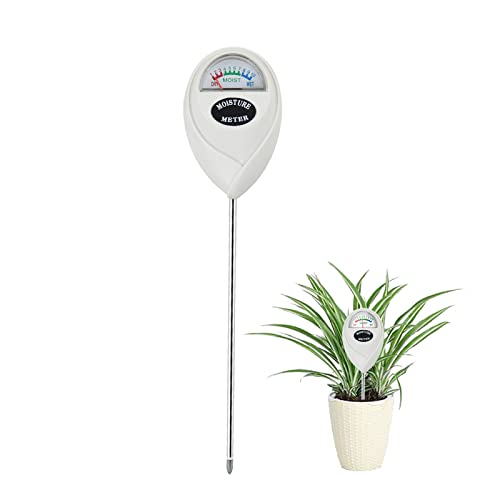
【SAVE YOUR PLANTS】: Over watering can cause problems with your plants or even kill them. This soil moisture meter helps you know the soil is dry, moist or wet.No more over watering!
Overwatering vs. Underwatering
Overwatering and underwatering both negatively impact lettuce health.
- Overwatering Symptoms: Yellowing leaves, wilting, and root rot indicate excess moisture. Leaves may become mushy, and the plant may exhibit stunted growth. If you notice blackened roots during inspection, root rot likely occurs due to standing water.
- Underwatering Symptoms: Wilting, dry leaves, and a loss of turgor pressure signal insufficient water. Leaves may appear crispy and can develop brown edges. If the soil feels dry to the touch and cracks form, your lettuce needs immediate attention.
To maintain optimal moisture levels, regularly check soil moisture. Use your finger or a moisture meter to determine if the top inch of soil feels dry; this indicates a need for watering. Adjust irrigation practices based on weather and growth stage to prevent stress from either extreme.
Best Practices for Watering Lettuce
Follow these practices to ensure your lettuce receives the right amount of water for healthy growth.
Recommended Products
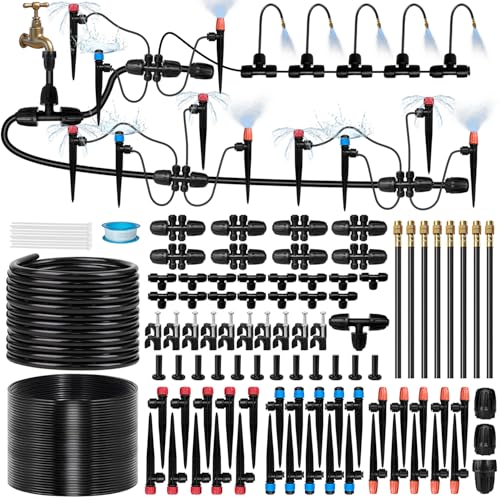
【Upgraded Tube Design & Water Saving】 Our garden watering system is upgraded to 1/2” diameter to support high water pressure. The 1/2” tee connector allows seamless splitting into 2 independent zones for customized watering schedules. By delivering moisture directly to root zones, this drip Irrigation system significantly reduces evaporation and runoff—saving more water compared to conventional sprinklers while eliminating the need for manual watering.

✔Comprehensive Drip Irrigation Kit:MIXC drip irrigation system, equipped with a versatile range of components, caters to all your garden watering needs.Includes essential parts such as 197ft 1/4'' irrigation tube, 33ft 1/2'' irrigation tube, 1/2‘’ Lock Barbed Tee connectors, drip emitter streams, vortex emitters, Blue Mist Nozzles, Quick connection tees, Faucet Connector, and more.

Automatic Drip Irrigation System Kit: The universal connector adapts to different tubing sizes with a secure, leak-free fit; the dual-channel connector splits a single line into two separate watering paths for multi-zone irrigation. The garden bed watering system includes 100FT 1/4" Water Pipe, Cable Ties x 24, Universal Connector x 1, Dual Channel Connector x 1, Quick Tees x 24, Sealing Tape x 1, Fixing Clips x 24, End Plus x 4, and Brass Nozzles x 24. Simply unbox and start building automatic misting system.
Methods of Watering
Drip Irrigation delivers slow, steady moisture directly to the roots. This method optimizes water use and minimizes evaporation, making it ideal for lettuce.
Soaker Hoses provide a similar effect, allowing water to seep out slowly. Position the hose near the plants’ base for efficient soaking.
Hand Watering works well for small gardens. Use a watering can or hose with a spray nozzle to control the amount of water, ensuring consistent moisture around the base.
Overhead Sprinklers suit larger areas but consider their drawbacks. They may lead to evaporation losses and can wet foliage, increasing the risk of disease. Time your watering for early morning or late afternoon to reduce evaporation.
Timing for Optimal Water Absorption
Water your lettuce early in the day. Morning watering allows plants to absorb moisture before the heat of the day, minimizing evaporation.
Check soil moisture regularly for the best results. Water when the top inch of soil feels dry. Adjust watering frequency based on weather conditions, such as rain or high temperatures.
Consider the growth stage of your lettuce. Young plants need consistent moisture, while mature lettuce can handle short dry spells better. Be ready to adapt your watering schedule for optimal absorption.
Conclusion
Keeping your lettuce well-hydrated is key to a thriving garden. By understanding its specific water needs and adjusting based on environmental factors you can help your plants flourish. Regularly checking soil moisture and employing efficient watering methods will make a big difference.
Don’t forget to look out for signs of stress in your plants. With a little attention and care your lettuce can stay healthy and delicious. Happy gardening!
Frequently Asked Questions
How much water does lettuce need per week?
Lettuce generally requires about 1 to 2 inches of water per week, which includes rainfall and irrigation. Specific types like Iceberg need 1 to 1.5 inches, Romaine requires 1.5 to 2 inches, Butterhead typically needs 1 to 1.5 inches, and Leaf lettuce varies around 1 inch.
What factors affect water needs for lettuce?
Water needs for lettuce are influenced by climate, temperature, soil type, growth stage, and humidity levels. Warmer temperatures increase evaporation, necessitating more frequent watering, especially in quick-draining soils like sand.
What irrigation method is best for lettuce?
Drip irrigation is ideal for lettuce as it maintains consistent moisture while minimizing water waste. While overhead sprinklers can be effective, they may lead to higher evaporation rates, especially during hot weather.
How can I tell if my lettuce is underwatered or overwatered?
Underwatered lettuce shows signs like wilting and dry leaves, while overwatered lettuce may have yellowing leaves, wilting, and root rot. Monitoring soil moisture regularly can help prevent these issues.
When is the best time to water lettuce?
Watering lettuce early in the day is recommended to reduce evaporation and maximize moisture absorption. This timing helps ensure the plants receive adequate hydration while minimizing water loss.
