

Have you ever wished you could enjoy fresh lettuce right from your garden? Propagating lettuce seeds is an easy and rewarding way to achieve that. Whether you’re a seasoned gardener or just starting out, growing your own lettuce can save you money and provide delicious, crisp greens for your meals.
Key Takeaways
- Understand the types of lettuce seeds available—Butterhead, Crisphead, Looseleaf, and Romaine—to select the best variety for your garden.
- Ensure seed viability and quality by checking expiration dates, conducting germination tests, and inspecting seed appearance before planting.
- Use a well-draining, nutrient-rich soil mix with a pH of 6.0 to 7.0 for optimal lettuce growth.
- Follow the correct steps for propagation, whether sowing seeds directly in the garden or starting them indoors, to ensure successful germination.
- Avoid common mistakes such as overwatering and insufficient sunlight, which can hinder growth and lead to issues like root rot or leggy seedlings.
Understanding Lettuce Seeds
Lettuce seeds are essential for growing fresh, healthy lettuce in your garden. Understanding their types and viability helps you make informed choices for successful propagation.
Types of Lettuce Seeds
- Butterhead Seeds: These seeds produce soft, buttery-textured leaves. Popular varieties include Boston and Bibb lettuces.
- Crisphead Seeds: Crisphead seeds grow into firm, crunchy heads. Iceberg is a well-known variety that falls into this category.
- Looseleaf Seeds: Looseleaf varieties, such as Red Leaf and Green Leaf, thrive in various conditions and offer continuous harvests.
- Romaine Seeds: Romaine seeds produce tall, sturdy heads with elongated leaves. They’re perfect for salads and wraps.
Selecting the right type of lettuce seed impacts your harvest and flavor.
Seed Viability and Quality
Seed viability refers to the seed’s ability to germinate and grow into healthy plants. Fresh seeds generally have higher viability. Most lettuce seeds can last 2 to 3 years if stored properly.
- Check Expiration Dates: Always opt for seeds with clear expiration dates for the best results.
- Conduct a Germination Test: To test seed quality, place ten seeds on a damp paper towel, fold it, and keep it in a warm spot. After a week, count how many seeds germinate.
- Inspect Seed Appearance: Healthy seeds appear plump and free from mold or damage.
Focusing on high-quality seeds enhances your chances of a fruitful lettuce crop.
Preparing for Propagation
Preparing for lettuce seed propagation involves choosing the right soil and gathering essential tools and materials. This ensures your seeds germinate successfully and grow into healthy plants.
Recommended Products

"Mesclun" comes from the Provençal French word meaning "mixture" — this style of mixed salad greens originated in the Nice region of France and became a staple of fine restaurants worldwide before becoming a home garden favorite.

NUTRIENT-RICH, NATURAL, AND ORGANIC SOIL: Grow a bountiful garden in your home with the Back to the Roots All-Purpose Natural and Organic Peat-Free 3-in-1 Seed Starting Mix, packed with the nutrients needed for your plants, flowers, and vegetables to thrive

CONTAINS: This organic Seed Stating soil mix is a rich blend of sphagnum peat moss & perlite with yucca extract and lime to ensure correct pH.
Choosing the Right Soil
Choosing the right soil is crucial for lettuce propagation. Look for a well-draining, nutrient-rich soil mix, such as a seed-starting mix or a blend of compost and peat. Ensure the soil’s pH ranges from 6.0 to 7.0 for optimal growth. You can test soil pH with a simple test kit. Lightweight mixes allow for good drainage and airflow, preventing issues like rot. If you prefer making your own mix, blend equal parts of peat moss, vermiculite, and compost.
Tools and Materials Needed
Gather the tools and materials needed for successful propagation. Here’s a list to get you started:
- Seed trays or pots: Use clean trays or pots with drainage holes.
- Labels: Label each container for easy identification of your lettuce varieties.
- Watering can: A gentle watering can helps avoid disturbing the soil.
- Plastic wrap: Cover seed trays with plastic wrap to retain moisture until seeds germinate.
- Heat mat: Consider using a heat mat to maintain a consistent temperature for enhanced germination.
These items set a solid foundation for propagating your lettuce seeds effectively.
Steps to Propagate Lettuce Seeds
Propagating lettuce seeds involves a few simple steps. You can choose to sow seeds directly in the garden or start them indoors for better control.
Recommended Products

12-LED GROW LIGHT PER TRAY — Each of the five seed starting trays features a full-spectrum grow light with 12 LED beads, providing supplemental light for indoor seedlings.
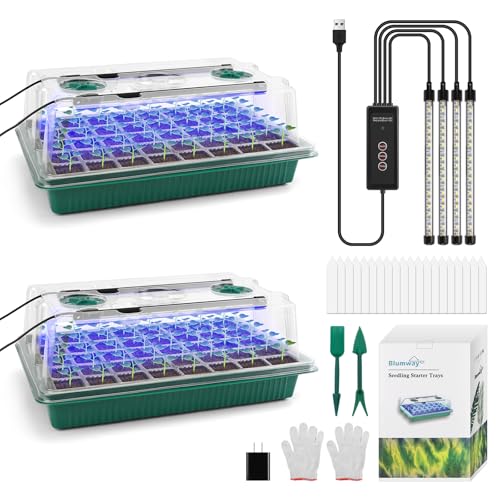
【360°Spectrum Seed Starter Tray with Grow Light】 The Larger 360°full-spectrum plant grow light in our seed start tray promotes healthier roots, faster germination, stronger seedlings. Seed starter kit with 4 full spectrum strip, mounted on the dome of garden plant starter kit. White & blue grow light helps seedlings grow faster and healthier. 3 lighting modes, 3 timer settings (3H/6H/12H), 5 brightness modes fully adjustable to your plants' needs. Your journey from seed to harvest starts here!

Pro Grow Lights with Advanced Chips: Equipped with 56 high-efficiency beads per tray, these LED strips simulate natural sunlight for optimal seedling growth. Adjustable brightness and timer functions let you customize lighting for every plant stage, promoting faster, healthier growth—perfect for herbs, flowers, and more
Direct Sowing in the Garden
- Choose a Location: Select a sunny spot with well-draining soil.
- Prepare the Soil: Loosen the soil to a depth of 12 inches. Incorporate compost to enhance fertility.
- Sow Seeds: Scatter seeds thinly, covering them with about ¼ inch of soil. Aim for rows spaced 12 inches apart.
- Water the Seeds: Use a gentle spray to moisten the soil without washing away the seeds. Keep the soil consistently moist until germination.
- Thin Seedlings: Once seedlings reach about 2 inches in height, thin them to 6-8 inches apart to ensure proper growth.
Starting Seeds Indoors
- Gather Supplies: Use seed trays or small pots filled with seed-starting mix.
- Plant Seeds: Place 2-3 seeds per cell or pot, covering lightly with soil.
- Provide Light: Place trays under grow lights or in a sunny window, ensuring they get 12-16 hours of light daily.
- Maintain Moisture: Spray the soil to keep it damp, but avoid saturation. Covering with plastic wrap can help retain moisture until germination occurs.
- Thin Seedlings: Once the seedlings develop their first true leaves, thin them to one plant per cell for healthy growth.
- Harden Off Seedlings: Gradually expose seedlings to outdoor conditions for about a week. Start with a few hours each day and increase exposure gradually.
- Choose a Planting Date: Transplant seedlings when they are 4-6 weeks old and after the last frost.
- Prepare the Garden Bed: Dig holes spaced 12 inches apart in the garden bed.
- Transplant Carefully: Gently remove seedlings from their pots, keeping roots intact, and place them in the holes. Fill with soil and press lightly.
- Water Well: Water thoroughly after transplanting to settle the soil around the roots.
Following these steps ensures a successful propagation of lettuce seeds, leading to vibrant, healthy plants ready for harvest.
Common Mistakes to Avoid
Propagating lettuce seeds involves several meticulous steps. Avoiding common mistakes makes the process smoother and ensures a healthy crop.
Overwatering and Soil Issues
Overwatering leads to root rot, a common problem for lettuce. Always check the soil moisture before watering. Only water when the top inch of soil feels dry. Use well-draining soil to prevent water from pooling around the roots. A mix of raised beds or containers with good drainage enhances airflow, promoting healthy root systems.
Ignoring Sunlight Requirements
Lettuce thrives in full sunlight, requiring at least 6 to 8 hours of direct sunlight each day. Planting in shaded areas results in leggy seedlings that struggle to grow. Position your lettuce in a spot that receives ample sunlight. If necessary, consider using grow lights indoors to supplement natural light during shorter days. This attention to lighting supports robust growth and vibrant leaves.
Conclusion
Growing your own lettuce from seeds is a rewarding experience that brings fresh flavors to your table. By following the steps outlined in this guide you can enjoy a bountiful harvest while avoiding common pitfalls. Remember to keep an eye on your seedlings and give them the care they need to thrive.
With a little patience and attention you’ll soon be enjoying crisp lettuce right from your garden. So grab those seeds and get started on your lettuce propagation journey. Happy gardening!
Frequently Asked Questions
Recommended Products

4 Popular Heirloom Lettuce Varieties: Includes Red Romaine, Bibb Butterhead, Black Seeded Simpson, and Green Ice lettuce seeds to grow crisp, tender, and colorful salad greens with balanced flavor, texture, and visual appeal.
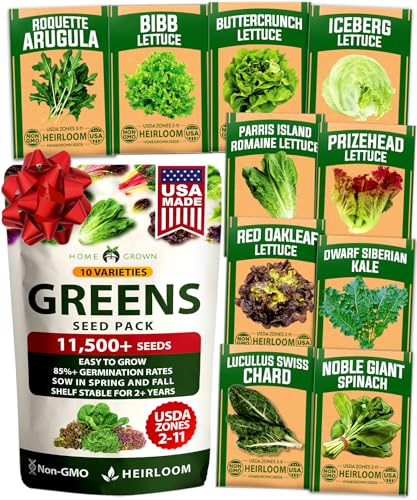
COMPLETE VARIETY PACK: Ten popular lettuce and leafy green varieties; Romaine lettuce seeds, Buttercrunch, Iceberg, Bibb, Red Oakleaf, Prizehead, Kale, Spinach and more; Perfect for organic salad gardens; High 95% germination rate

What are the benefits of growing fresh lettuce from seeds?
Growing fresh lettuce from seeds allows for cost savings, greater flavor variety, and the satisfaction of cultivating your own food. Homegrown lettuce is often more nutritious and fresher than store-bought options.
What types of lettuce seeds can I propagate?
There are several types of lettuce seeds you can propagate, including loose-leaf, crisphead, romaine, and butterhead varieties. Each type has unique texture and flavor profiles, allowing for diverse meal options.
How do I ensure my lettuce seeds are viable?
To ensure seed viability, check the expiration date and examine the seeds for any signs of damage or mold. Performing a germination test by sowing a few seeds in soil can confirm their ability to sprout.
What are the steps for propagating lettuce seeds?
Propagate lettuce seeds by directly sowing them in the garden or starting them indoors. Key steps include choosing a planting date, preparing the garden bed, thinning seedlings, hardening them off, and transplanting them carefully.
How do I thin my lettuce seedlings?
Thinning seedlings involves removing weaker plants to allow space for stronger ones. Wait until seedlings have a few leaves, then gently pull out excess ones, aiming for about 4 to 6 inches apart for optimal growth.
What is hardening off in seed propagation?
Hardening off is the process of gradually acclimating seedlings to outdoor conditions. Start by placing them outside for a few hours daily, gradually increasing the time to help them adapt to sunlight, wind, and temperature changes.
When is the best time to plant lettuce seeds?
The best time to plant lettuce seeds depends on your local climate. Generally, lettuce grows well in cool weather, so aim for early spring or late summer for fall crops. Always check regional planting guides for specific timing.
How should I prepare my garden bed for lettuce?
To prepare your garden bed for lettuce, choose a sunny location with well-drained soil. Clear any weeds, then mix in organic matter or compost to enhance soil fertility and drainage before sowing your seeds.
What common mistakes should I avoid when propagating lettuce seeds?
Avoid common mistakes like overwatering, which can lead to root rot, and neglecting sunlight needs. Ensure consistent moisture, provide adequate light, and maintain proper spacing between seedlings for robust growth.
How can I tell when my lettuce is ready for harvest?
Lettuce is ready for harvest when the leaves are full-sized and vibrant. For loose-leaf varieties, you can start picking outer leaves when they’re 4-6 inches long. For head types, harvest when they feel firm and compact.
