

Do you love fresh salads but hate the thought of constantly replanting lettuce? You’re not alone. Many gardeners face the challenge of harvesting lettuce without sacrificing future growth. The good news is that with the right techniques, you can enjoy a continuous supply of crisp, tasty leaves.
Key Takeaways
- Understanding Growth Stages: Lettuce goes through germination, seedling, vegetative, and maturity stages—all crucial for effective harvesting.
- Choosing the Right Variety: Selecting the appropriate lettuce type, such as Leaf or Romaine, influences both flavor and growth potential based on climate.
- Timing Your Harvest: Harvest lettuce in early morning or late afternoon, targeting leaves that are 4-6 inches long, to maintain freshness and health.
- Harvesting Techniques: Snip outer leaves at the base while leaving inner leaves intact; stagger harvesting to allow the plant to regenerate.
- Post-Harvest Care: Water promptly after harvesting and maintain soil health through mulching and nutrient replenishment to encourage continuous growth.
- Regular Maintenance: Fertilize every 2-4 weeks and harvest every 1-2 weeks to ensure a steady supply of fresh lettuce leaves while supporting new growth.
Understanding Lettuce Growth
Understanding how lettuce grows allows you to harvest leaves without stopping future growth. Lettuce can continually produce fresh leaves if you use the right harvesting techniques.
Types of Lettuce Varieties
Lettuce comes in various types, each with unique characteristics. Here are some common varieties:
- Butterhead Lettuce: Soft, tender leaves that form loose heads. These plants grow best in cooler temperatures.
- Romaine Lettuce: Crisp, sturdy leaves with a bit of a crunch. Romaine is a versatile choice for many recipes.
- Leaf Lettuce: This variety grows in clusters without forming heads. You can harvest individual leaves, promoting continuous growth.
- Iceberg Lettuce: Popular for salads, it forms a tightly packed head. It’s more tolerant of heat compared to other types.
Choosing the right variety based on your climate and preferences influences growth and maintenance.
Growth Stages of Lettuce
Lettuce progresses through distinct growth stages, each impacting how you harvest. Understanding these stages helps you maximize yield:
- Germination: Seeds sprout within 5-10 days, depending on temperature. Keep soil moist during this period.
- Seedling Stage: After germination, seedlings develop true leaves. This stage lasts 2-4 weeks. Thin crowded seedlings to ensure adequate space.
- Vegetative Stage: The plant grows rapidly, and you can start harvesting outer leaves. This stage usually occurs 4-6 weeks after planting.
- Maturity: The head forms fully, generally 6-12 weeks after planting. Once it matures, you can still harvest leaves without harming the plant.
Recognizing these stages enables you to plan your harvest effectively, ensuring your lettuce continues to thrive.
Best Time to Harvest Lettuce
Timing your lettuce harvest ensures continued growth and a fresh supply. Observe the plants closely to determine the best moment to pick your leaves.
Signs of Readiness
Look for these indicators to know when your lettuce is ready for harvesting:
- Size: Leaves should reach 4 to 6 inches in length.
- Color: Bright green or vibrant hues indicate health.
- Texture: Leaves should feel crisp, not wilted or limp.
- Maturity: If the plant begins to flower, it’s past prime harvest time.
- Early Morning: Cooler temperatures help maintain moisture and crispness.
- Late Afternoon: If morning’s not feasible, aim for late afternoon; temperatures are still moderate.
- Avoiding Heat: Never harvest in the heat of the day; heat causes wilting.
How to Harvest Lettuce Leaves
Harvesting lettuce leaves correctly promotes continued growth and a steady supply of fresh greens. Follow these guidelines for effective harvesting.
Recommended Products
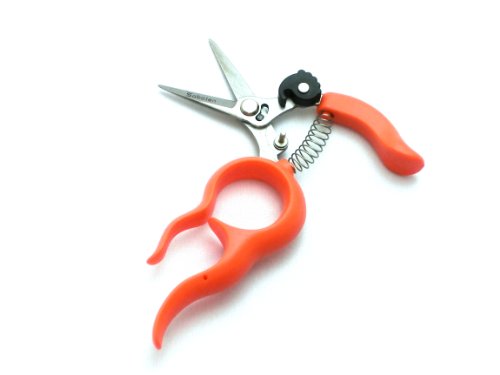
[Caution] Picture shown is 1318S.
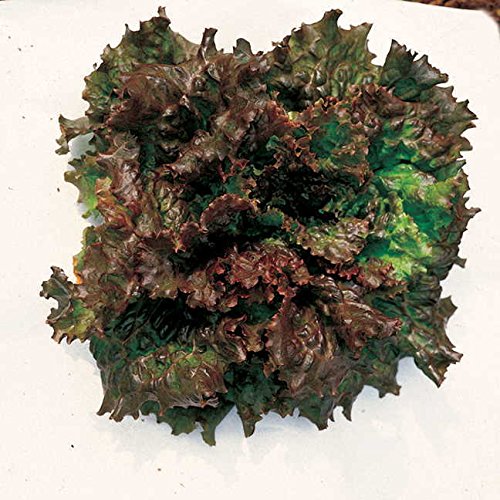
Award-Winning Garden Favorite: A winner of the All-America Selections award, Red Sails has earned its place in home gardens across the country for its superior flavor, texture, and ornamental value. This variety not only performs reliably but also enhances any garden bed with its striking coloration and leaf shape. It’s a trusted option for gardeners who want beauty and performance in every planting.
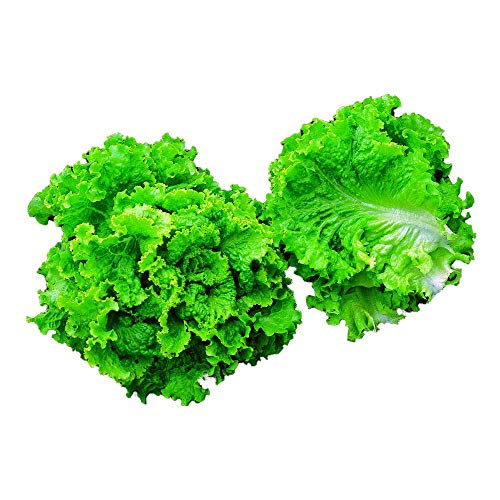
Savoyed Leaves for Maximum Crunch: Green Ice Lettuce delivers unmatched texture thanks to its thick, glossy, deeply savoyed leaves that hold their shape and crispness even after washing and prepping. Its bold, ruffled appearance not only adds volume to your salads but also makes it one of the most visually appealing lettuces you can grow, standing out in raised beds, garden rows, or container displays alike.
Tools Needed for Harvesting
Gather these essential tools:
- Sharp Scissors: Cuts are clean, reducing damage to the plant.
- Garden Knife: Provides precision for tougher varieties.
- Basket or Container: Holds harvested leaves without bruising them.
- Garden Gloves: Protects your hands and keeps them clean.
Techniques for Harvesting Leaves
Use these techniques to ensure healthy lettuce after harvesting:
- Cutting Leaves: Snip outer leaves at the base. Leave the inner leaves for continuous growth. For loose-leaf varieties, harvest the outermost leaves first, allowing the center to flourish.
- Harvesting Timing: Focus on early morning or late afternoon for harvesting. This practice ensures leaves stay crisp and retains moisture.
- Inspecting Plants: Look for signs of maturity such as vibrant color and firm texture. Typically, leaves are ready when they reach about 4-6 inches in height.
- Avoiding Damage: Handle harvested leaves gently. Bruising can lead to spoilage. Stack leaves loosely in your container to maintain airflow.
- Staggered Harvesting: Implement staggered harvesting by taking only a few leaves from each plant during successive visits. This enables the plants to replenish leaves and keeps your supply consistent.
Following these steps makes for an effective lettuce harvest, ensuring that your garden continues to thrive.
Post-Harvest Care for Lettuce
Post-harvest care is crucial for maintaining healthy lettuce plants and encouraging continuous growth. Proper attention to watering and soil health can extend the life of your lettuce crop.
Recommended Products

Precision cutting:Grid plant tray, combined with blades beneath the tray, enables precise leaf cutting while minimizing damage to fruits and flowers.Equipped with 30 rubber strips, delivers powerful suction to swiftly remove plant debris, preventing clumping damage and reducing injury to plants during the trimming process.

This fruit picking bag is made of canvas material, which is tough, , easy to clean and maintain. After each use, simply wipe it gently with a damp cloth and it can be used again immediately.

✨✨✨VERSATILE DESIGN: Efficiently strips leaves from herbs and vegetables including kale, chard, collard greens, and thyme with multiple sized holes
Watering After Harvest
Water promptly after harvesting. Sufficient moisture keeps the remaining lettuce healthy and encourages regrowth. Focus on the following:
- Frequency: Water at least twice a week, depending on weather conditions. Increase frequency during hot, dry spells to prevent wilting.
- Depth: Ensure soil is moist up to 6 inches deep to support root system recovery.
- Method: Use a soaker hose or drip irrigation to deliver water directly to the soil, minimizing leaf wetness and reducing disease risk.
- Timing: Water in the morning for maximum absorption and to allow leaves to dry by evening.
Maintaining Soil Health
Healthy soil promotes vigorous lettuce growth. Implement these practices to enhance soil quality:
- Mulching: Apply a layer of organic mulch, such as straw or shredded leaves, to retain moisture and suppress weeds.
- Nutrients: Incorporate compost or balanced organic fertilizer to replenish nutrients. Aim for a nitrogen-rich formula, as lettuce thrives on nitrogen.
- Crop Rotation: Rotate lettuce crops with other plant families to prevent nutrient depletion and reduce pest buildup. This practice boosts overall soil health.
- pH Level: Test soil pH regularly. Lettuce prefers a pH of 6.0 to 7.0. Amend with lime to raise pH or sulfur to lower it as needed.
Follow these post-harvest care steps to ensure your lettuce continues to thrive and produce fresh leaves.
Tips for Continuous Growth
To ensure your lettuce keeps thriving after harvesting, follow these essential tips for continuous growth.
Recommended Products

EASY, NO GREEN THUMB REQUIRED: Just minutes a week to add water and nutrients - our advanced hydroponics system does the rest! The automated water distribution feature...
Frequency of Harvesting
Harvest your lettuce every 1 to 2 weeks. This interval promotes a steady supply of fresh leaves while encouraging new growth. Opt for the outer leaves first, leaving the inner leaves intact. This method allows the plant to continue producing leaves, extending your harvest period. Monitor the growth patterns and adjust the frequency based on the specific variety you’re growing.
Fertilization Practices
Fertilize your lettuce regularly to support its growth. Use a balanced liquid fertilizer every 2 to 4 weeks, aimed at supplying essential nutrients. After each harvest, apply a diluted fish or seaweed emulsion for optimal results. Always follow the manufacturer’s instructions to avoid over-fertilization. Additionally, consider adding compost to enrich the soil and maintain soil health, ensuring a steady supply of nutrients as your lettuce continues to grow.
Conclusion
With the right techniques you can enjoy a bountiful harvest of lettuce leaves while encouraging new growth. Remember to pay attention to the signs of readiness and the timing of your harvest. By caring for your soil and providing nutrients regularly your lettuce will thrive.
Keep that harvesting rhythm going every couple of weeks and don’t forget to give your plants a little extra love with fertilizers and compost. Before you know it you’ll have a continuous supply of fresh lettuce right from your garden. Happy gardening and enjoy those crisp salads!
Frequently Asked Questions
What challenges do gardeners face when harvesting lettuce?
Gardeners often struggle with timing and identifying growth stages. Knowing when to harvest different lettuce varieties is crucial to avoid bitter taste and ensure maximum freshness.
How can I tell when my lettuce is ready for harvest?
Look for firm leaves that have reached the desired size without bolting (flowering). Signs include leaves being vibrant and crisp. Generally, harvesting should occur before the plant starts to flower.
What is post-harvest care for lettuce?
Post-harvest care includes watering the plants promptly after harvesting, maintaining soil health through mulching, replenishing nutrients, and monitoring soil pH levels to keep the soil balanced and productive.
How often should I harvest my lettuce for continuous growth?
You should harvest your lettuce every 1 to 2 weeks. This practice encourages new growth and helps maintain the health of the plant for ongoing production.
What type of fertilizer is best for lettuce?
Using a balanced liquid fertilizer every 2 to 4 weeks is recommended. Additionally, applying fish or seaweed emulsion after each harvest can provide necessary nutrients for continuous growth.
Why is mulching important for lettuce growth?
Mulching helps retain moisture in the soil, suppress weeds, and regulate soil temperature. These benefits contribute to healthier lettuce plants and better overall yields.
How can I improve soil health for growing lettuce?
Adding compost enriches the soil by providing essential nutrients. Regularly checking and adjusting soil pH levels will also ensure optimal conditions for healthy lettuce growth.
