

Have you ever bought a bunch of lettuce only to find it wilting in your fridge? You’re not alone. Many people struggle to keep their greens fresh and vibrant. But what if I told you there’s an easy way to not only extend their life but also grow new lettuce right in your kitchen?
Key Takeaways
- Simple Propagation Method: You can easily propagate lettuce in water using cuttings from existing plants, providing an accessible gardening project for anyone.
- Fast Growth Cycle: Lettuce typically roots within 5-14 days, enabling quick access to fresh greens without the need for soil.
- Sustainable Practice: This method reduces food waste by utilizing leftover lettuce, promotes self-sufficiency, and supports healthier gardening by controlling pesticide use.
- Regular Care Required: To ensure successful growth, change the water every 2-3 days and monitor light conditions, adjusting as needed for optimal growth.
- Address Potential Challenges: Be proactive in managing issues like yellowing leaves, slow growth, or mold by ensuring proper light exposure and water cleanliness.
- Variety Matters: Select the right type of lettuce to propagate, such as romaine, butterhead, or leaf lettuce, to match your taste and harvest goals.
Understanding Lettuce Propagation
Lettuce propagation involves growing new lettuce from existing plants, specifically from the base of cut lettuce leaves. You can create new lettuce plants simply by using water, making it an accessible method for anyone.
Recommended Products
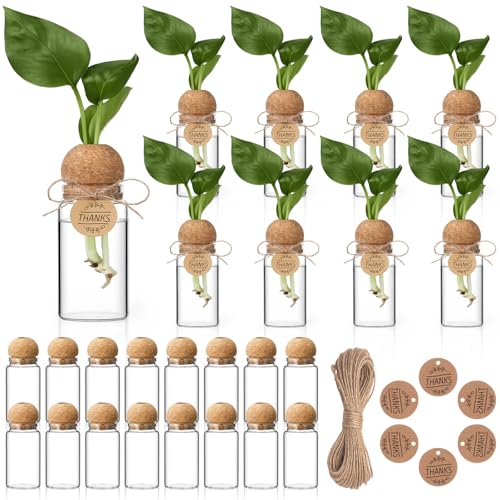
Spill-proof Design: the propagation vase is made of Glass; Removable mushroom cork stoppers contain water during movement, and the aperture of the water propagation station facilitates the insertion and adjustment of the plant

Comprehensive 12 Piece Set: this hydroponic herb planting kit provides a comprehensive 12-piece set, includes 12 mason jars, 12 planting baskets, 12 pre-seeded growing plugs, and 12 water absorbent cores to meet all your planting needs

QUANTITY - This package includes 6 plant propagation jars, the simple and elegant design fits any home decor and makes heart-warming gifts.
Key Advantages
- Convenience: You can propagate lettuce indoors without soil, making it an ideal kitchen project.
- Cost-effective: Propagation reduces waste and provides fresh greens without purchasing new plants.
- Quick growth: Lettuce tends to root rapidly, often within a week.
Step-by-Step Process
- Select a Lettuce Type: Choose romaine, butterhead, or leaf lettuce for optimal results.
- Cut the Base: Cut about 2-3 inches from the base of the lettuce head. Ensure you include the root end.
- Place in Water: Set the cut base in a bowl or jar filled with water. Submerge only the root end.
- Provide Light: Position the setup in a location with indirect sunlight, like a kitchen counter.
- Change Water Regularly: Refresh the water every few days to keep it clean and promote growth.
- Wait for Roots: Watch for roots to develop, which can take about 5-14 days.
Caring for Your Lettuce
- Monitor Growth: Check often for any changes in root development.
- Transitioning to Soil: Once roots are several inches long, consider transferring the lettuce to soil for continued growth.
- How often should I change the water? Change the water every 2-3 days to prevent stagnation.
- Can I propagate other greens? Yes, many leafy greens like celery and green onions can also be propagated in water.
With this straightforward approach, you can enjoy fresh lettuce right from your kitchen.
Benefits Of Propagating Lettuce In Water
Propagating lettuce in water offers various advantages for home gardeners. This method is simple and effective, providing fresh greens directly from your kitchen.
Easy To Monitor Growth
Monitoring growth is straightforward when propagating lettuce in water. You can easily observe root development and leaf expansion. Regular check-ins reveal how your lettuce responds to light and water conditions. To maximize growth, adjust sunlight exposure or water levels based on your observations. Creating a growth journal can also help you track changes and improvements.
Sustainable Gardening Practice
Propagating lettuce in water promotes sustainable gardening practices. You reduce food waste by utilizing scraps that would otherwise go to the compost or trash. This method decreases reliance on store-bought greens, lowering your carbon footprint. By growing your own lettuce, you control the use of pesticides and fertilizers, supporting a healthier ecosystem. Implementing this practice in your kitchen contributes positively to the environment while providing fresh produce.
Step-By-Step Guide To Propagate Lettuce In Water
Propagating lettuce in water is a straightforward process that yields fresh greens. Follow these steps to achieve success.
Recommended Products

[Multipurpose Use] - This growing sponge is suitable for various greenhouse cultivation and hydroponic systems. It has a wide range of uses, including starting seeds, rooting cuttings, and flower and plant propagation. It can be used to grow a variety of plants, such as tomatoes, flowers, lettuce, and herbs. Being soil-less and clean, making your hydroponic seedling work easier and more enjoyable

Visual Root Health & Education:Unlike opaque pots, our transparent hydroponic cups with humidity domes and clear hydroponic cup design allow easy viewing of roots and water levels at a glance without disturbing the plant. These clear cups for starting seeds are suitable for biology classrooms, home education, and gardening beginners who want to observe different stages of seed starting and root formation.
Materials Needed
- Lettuce: Use leftover or purchased heads.
- Container: Use a jar, cup, or glass with clear sides.
- Water: Use clean, room temperature water.
- Light Source: Position near a windowsill or under a grow light.
Choosing The Right Lettuce Variety
- Romaine Lettuce: Provides sturdy leaves and grows well in water.
- Butterhead Lettuce: Offers tender leaves and a delicate flavor.
- Leaf Lettuce: Quickly develops and produces multiple harvests.
Select a variety based on your taste and intended use.
Preparing Lettuce For Propagation
- Cut the Base: Use a sharp knife to cut off the base of the lettuce head, leaving about 1-2 inches above the bottom.
- Remove Outer Leaves: Strip off any damaged or wilted outer leaves to ensure healthier growth.
- Rinse the Base: Gently rinse the cut end to remove any dirt and bacteria.
Setting Up The Water Propagation
- Place in Container: Position the cut base in your container, ensuring the bottom is submerged in water.
- Fill with Water: Add enough water to cover the bottom inch of the lettuce base.
- Position for Light: Place the container in a bright spot where it receives indirect sunlight.
Adjustments might be needed based on the conditions in your home.
- Change Water Regularly: Refresh the water every few days to prevent stagnation and bacteria growth.
- Monitor Growth: Watch for root development and new leaf growth. This indicates the propagation is successful.
- Adjust Light: If the lettuce appears leggy, move it closer to the light source for better growth.
Following these tips will help ensure a successful lettuce propagation experience, giving you fresh greens right from your kitchen.
Common Challenges And Solutions
Challenge: Yellowing Leaves
Yellowing leaves often indicate overwatering or insufficient light. To address this, ensure you place the lettuce in a well-lit area, but avoid direct sunlight. If the water feels overly saturated, reduce the amount and improve drainage.
Challenge: Lack of Root Growth
Sometimes, lettuce may struggle to develop roots. Ensure the cut end is submerged in at least one inch of water. Change the water every few days to keep it fresh and oxygenated, promoting root development.
Challenge: Slow Growth
If your lettuce grows slowly, check the light exposure. If it’s too dim, consider moving the container to a brighter spot. Fluorescent grow lights work well for enhancing growth, especially in low-light conditions.
Challenge: Contamination
Bacteria can thrive in stagnant water, leading to disease. Change the water every 2 to 3 days to prevent contamination. Clean the container thoroughly before reusing it to maintain a healthy growing environment.
Challenge: Unruly Growth
If lettuce grows unevenly or becomes leggy, adjust the light source. Keep the light at a consistent distance to promote even growth. Rotating the container weekly can also help ensure all sides receive adequate light.
Challenge: Mold Development
Mold can develop in wet conditions, especially if leaves are submerged. Avoid immersing the entire leaf. Only place the cut end in water, and regularly inspect for any signs of mold to remove it promptly.
By being mindful of these common challenges, you can enhance your lettuce propagation experience and enjoy fresh greens with ease.
Recommended Products

【Material】: The spherical glass vase is made of high borosilicate glass, with a simple round shape, and a jar wears a bamboo saucer. The cork lid can be easily set and poured with water. glass vase Size: 3.9*3.9inch


Core Functionality: This Hydroponic plant bottle is designed as a versatile glass terrarium that enables you to cultivate plants hydroponically, serving as a micro landscape container and stylish home decor piece to bring greenery into any indoor or outdoor space
Conclusion
You’ve got the tools and knowledge to start propagating lettuce in water right in your kitchen. This simple method not only saves you money but also gives you a fresh supply of greens whenever you need them. By following the steps and tips shared, you’ll be well on your way to enjoying vibrant, home-grown lettuce.
Remember to keep an eye on your plants and adjust their conditions as needed. With a little patience and care, you’ll witness the joy of watching your lettuce thrive. So go ahead and give it a try—your taste buds and your wallet will thank you!
Frequently Asked Questions
What causes lettuce to wilt in the fridge?
Wilting in lettuce often occurs due to dehydration and lack of proper storage conditions. Lettuce needs adequate moisture and a cool environment to stay fresh. If it’s stored in a sealed plastic bag or in an overly warm fridge, it can lose moisture quickly, leading to wilting.
How can I propagate lettuce from the fridge?
You can propagate lettuce by cutting the base of the leftover leaves and placing them in a container with water. Ensure the cut end is submerged while the leaves remain above the water. Place the container in a well-lit area and change the water every few days for best results.
Which lettuce varieties are best for propagation?
Romaine, Butterhead, and Leaf lettuces are great for propagation. They typically yield good results when grown from cut bases and adapt well to growing in water, providing a steady supply of fresh greens for your kitchen.
How often should I change the water for propagating lettuce?
You should change the water every 2 to 3 days. Keeping the water fresh helps prevent contamination and ensures that the growing environment remains optimal for root development and overall lettuce health.
What common issues might I encounter during lettuce propagation?
Common issues include yellowing leaves, slow or lack of root growth, and mold development. These can often be resolved by ensuring adequate light, maintaining clean water, and monitoring growth conditions closely for possible adjustments.
Can I grow other greens in the same way as lettuce?
Yes, many leafy greens can be propagated similarly, including green onions, celery, and herbs like basil or mint. The process typically involves placing the cut base in water and ensuring it receives ample light and fresh water regularly.
How does propagating lettuce reduce food waste?
By propagating lettuce from leftover scraps, you can create new plants instead of discarding food, which reduces waste. This method promotes sustainability, allowing you to enjoy fresh produce without the need to purchase new greens regularly.
Is growing lettuce at home economical?
Yes, growing lettuce at home can be very economical. Propagating from kitchen scraps helps save money on grocery bills while providing a continuous supply of fresh greens. This method also allows you to control the quality and growing conditions of your food.
