

Ever wondered how much soil your lettuce really needs to thrive? If you’ve tried growing lettuce at home, you know that getting the right amount of soil can make all the difference. Too little, and your plants might struggle; too much, and you could end up wasting resources.
In this article, you’ll discover the ideal soil depth and volume for growing healthy, crisp lettuce. You’ll learn practical tips that can help you maximize your yield while ensuring your plants get the nutrients they need. Whether you’re a seasoned gardener or just starting out, understanding soil requirements will set you up for success in your gardening journey.
Key Takeaways
- Optimal Soil Depth: Lettuce thrives best in soil depths of 6 to 12 inches depending on the variety, with leafy types requiring less depth compared to crisphead varieties.
- Soil Volume: Each lettuce plant needs at least 1 cubic foot of soil; for multiple plants, maintain a spacing of 6 to 12 inches apart for optimal growth and air circulation.
- Soil pH and Nutrients: Aim for a pH level between 6.0 and 7.0 and enrich the soil with organic materials like compost for improved fertility and nutrient content.
- Drainage is Key: Ensure well-draining soil to prevent root rot, using amendments like sand or peat moss to enhance drainage capabilities.
- Moisture Monitoring: Keep the soil consistently moist without over-saturating; water when the top inch of soil feels dry to promote rapid growth.
- Fertilization: Apply balanced fertilizers with a 10-10-10 N-P-K ratio per package instructions, ensuring plants receive necessary nutrients for strong growth.
Understanding Lettuce Growth Requirements
Lettuce thrives in well-draining soil that retains moisture yet allows excess water to escape. The ideal soil depth for growing lettuce ranges from 6 to 12 inches. This depth provides ample space for roots to develop, ensuring healthy plant growth. Using raised beds or containers with the right soil depth can enhance growth.
Soil volume also plays a vital role in lettuce cultivation. You need at least 1 cubic foot of soil for each lettuce plant when planting individually. For multiple plants, maintain a spacing of 6 to 12 inches apart, allowing for adequate air circulation.
Soil pH significantly impacts lettuce health. Aim for a pH level between 6.0 and 7.0. You can test your soil’s pH with a simple home test kit. If your soil’s pH is too high or low, you can amend it with lime or sulfur to adjust accordingly.
Incorporating organic matter like compost boosts soil fertility. One part compost to three parts soil creates a nutrient-rich environment. Regularly mixing organic matter into the soil improves texture and moisture retention.
Drainage is crucial. Ensure your soil drains well to prevent root rot. If water pools in your garden, consider incorporating sand or peat moss to enhance drainage. These amendments help maintain an ideal environment for lettuce growth.
You can also benefit from adding fertilizers. Balanced fertilizers with equal parts nitrogen, phosphorus, and potassium support robust growth. Apply fertilizers according to package instructions to avoid over-fertilization.
Monitoring moisture levels is essential. Lettuce prefers consistently moist soil, but not soggy conditions. Water your plants when the top inch of soil feels dry, ensuring quick growth and a bountiful harvest.
Factors Influencing Soil Depth
Soil depth significantly impacts lettuce growth. Multiple factors determine how much soil lettuce requires for optimal development.
Recommended Products

High Germination Rate: Enjoy a plentiful harvest with our Romaine Lettuce seed pod featuring excellent germination. Fresh, reliable seeds sourced from USA ensure quick sprouting and healthy growth.

Lettuce, Red Leaf Romaine Lettuce Seeds, NON-GMO, 50+ seeds per package, Healthy Hearty , A great addtion to any salad. Jacobs LAdder Ent.

Spade To Fork Kits - Our company is family owned and operated right here on our 65 acre farm in rural Oregon. Each Spade To Fork indoor garden kit contains 5 types of Certified USDA Organic Non GMO seeds, including Arugula + Spinach + Loose Leaf Lettuce + White Russian Kale + Red Romaine; 5 Certified USDA Organic compostable peat pots; 5 Certified USDA Organic rich potting soil discs; 5 custom wood burned plant markers; our beautiful and helpful 26pg growing guide.
Type of Lettuce
Different types of lettuce have unique root systems. Leafy varieties like romaine typically need less soil depth, about 6 to 8 inches. Crisphead types, such as icebergs, require more, generally around 8 to 12 inches. Understanding the specific needs of each type ensures better root health and overall plant growth.
Growth Environment
The growth environment plays a crucial role in determining soil depth. In cooler climates, deeper soil helps retain heat and moisture, supporting robust growth. In contrast, warmer areas benefit from shallower soil, promoting faster drainage and preventing root rot. Adjust soil depth according to local climate conditions for optimal lettuce cultivation.
Soil Composition and Quality
Soil quality plays a crucial role in the successful growth of lettuce. Understanding the right soil composition and its properties can enhance your gardening experience and yield.
Recommended Products

HELPS REGULATE SOIL MOISTURE: Miracle-Gro Organic Indoor Potting Soil Mix is an organic potting soil that protects indoor plants against over and under watering
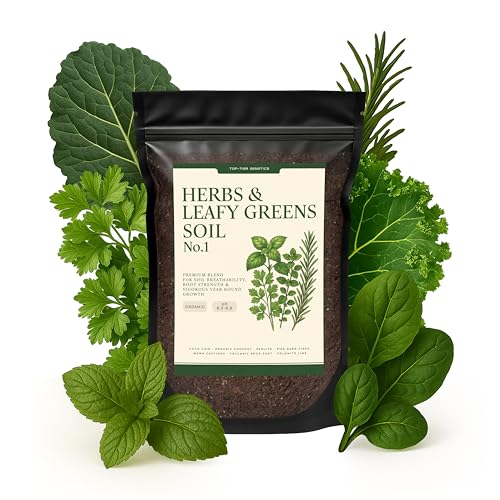
✔ VERSATILE BLEND: Premium potting mix specifically formulated for growing herbs and leafy greens indoors with optimal drainage and aeration
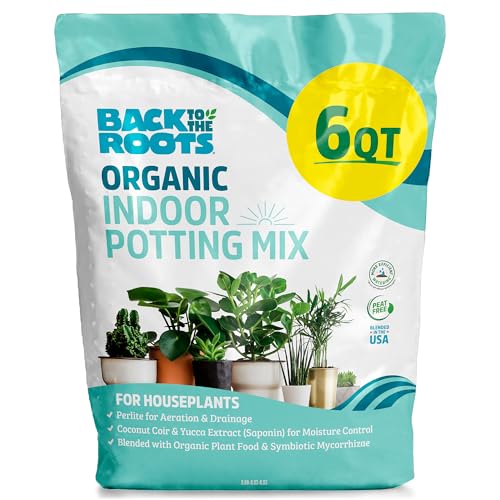
Includes 6qt of Back to the Roots Indoor Potting Mix. Our Potting Mix contains organic yucca extract that aids in retaining moisture in the soil which keeps your indoor plants happy and healthy
Nutrient Requirements
Lettuce thrives in nutrient-rich soil. It primarily requires nitrogen for leafy growth, phosphorus for root development, and potassium for overall health. Adding organic materials like compost or well-rotted manure boosts nutrient levels. Aim for a balanced fertilizer with an N-P-K ratio of around 10-10-10. Regular soil testing helps you monitor nutrient levels and make adjustments as needed. When planting, incorporate fertilizers into the top layer of soil to ensure efficient uptake.
Drainage and Aeration
Good drainage prevents water from accumulating around the roots, which is vital for health. Consider using sandy loam or potting mix that drains well. To improve drainage, mix in perlite or coarse sand. Aerating the soil enhances air circulation, promoting root growth. Use a garden fork or aerator to create small holes in the soil, allowing oxygen to reach the roots. Regularly check for compaction, especially in high-traffic areas. Adjust your soil structure to maintain optimal aeration for lettuce cultivation.
Recommended Soil Depth for Lettuce
Lettuce thrives best in soil that’s deep enough to support its root system. Aim for a minimum soil depth of 6 to 12 inches for optimal growth.
Guidelines for Different Varieties
Consider the specific needs of various lettuce varieties. Leaf lettuce typically requires about 6 inches of soil, while head lettuce, which grows larger, benefits from at least 8 to 12 inches. In contrast, romaine lettuce can grow well in 8 to 10 inches. Adjust the depth according to the size of the plants you aim to produce.
Container vs. Garden Bed Soil Needs
When growing lettuce in containers, ensure the pot offers at least 6 to 8 inches of soil depth. This supports adequate root growth. Choose containers that provide good drainage to prevent water accumulation. In garden beds, establish a depth of 12 inches or more, especially if you’re incorporating organic matter or compost. Rich, well-aerated soil promotes healthy plant growth, whether in pots or direct ground beds.
Conclusion
Growing lettuce can be a rewarding experience when you pay attention to your soil needs. By ensuring you have the right depth and quality of soil you can set the stage for healthy growth and delicious harvests.
Don’t forget to monitor moisture levels and adjust your soil conditions as needed. Whether you’re using containers or garden beds make sure to provide your lettuce with the nutrients it craves.
With a little care and attention your lettuce will thrive and you’ll enjoy the fruits of your labor in no time. Happy gardening!
Frequently Asked Questions
What is the ideal soil depth for growing lettuce?
The ideal soil depth for growing lettuce is at least 12 inches. This depth allows for adequate root development and access to nutrients. Different lettuce varieties may have specific needs, so consider the type you’re planting for best results.
How can I improve soil quality for lettuce cultivation?
To improve soil quality for lettuce cultivation, incorporate organic matter like compost into the soil. This enhances nutrient availability and soil structure. Regular soil testing can also help identify any deficiencies that need correction.
Why is good drainage important for lettuce?
Good drainage is crucial for lettuce because excess water can lead to root rot and other problems. Proper drainage helps maintain the right moisture levels, promoting healthy root growth and reducing the risk of disease.
How do I monitor moisture levels in the soil?
Monitoring moisture levels can be done using a soil moisture meter or by checking the soil’s top inch. It’s essential to ensure the soil remains consistently moist but not waterlogged for optimal lettuce growth.
What fertilizers should I use for lettuce?
Use balanced fertilizers that contain nitrogen, phosphorus, and potassium for lettuce. Organic options like compost or well-rotted manure can also be effective. Regularly follow the recommended application rates based on soil tests.
Can I grow lettuce in containers?
Yes, you can grow lettuce in containers! Ensure that the container is at least 12 inches deep and has good drainage. Use a quality potting mix that retains moisture while providing adequate aeration for the roots.
How does climate affect soil depth for lettuce?
Climate can influence soil depth requirements for lettuce. In warmer climates, deeper soil may be needed to retain moisture, while cooler areas may have different depth needs due to varying growth conditions. Always adjust according to local weather patterns.
