

Have you ever planted lettuce seeds and wondered when you could expect those tiny greens to pop up? You’re not alone! Many gardeners face this same question, eager to see the fruits of their labor.
Understanding the sprouting timeline can help you plan your garden better and keep your expectations in check. In this article, you’ll learn how long it typically takes for lettuce seeds to sprout and what factors can influence their growth. With this knowledge, you’ll feel more confident in your gardening skills and enjoy a bountiful harvest sooner.
Key Takeaways
- Sprouting Timeline: Lettuce seeds typically take 7 to 14 days to germinate, depending on the variety and environmental conditions.
- Variety-Specific Germination: Different types of lettuce seeds, such as Romaine, Butterhead, Leaf, and Iceberg, have unique sprouting times and care requirements.
- Environmental Factors: Optimal soil temperature (60°F to 70°F), consistent moisture, and appropriate light exposure are crucial for successful germination.
- Soil Preparation: Using quality, well-draining soil with a pH between 6.0 and 6.8 enhances seed viability and promotes healthy growth.
- Common Issues: Delayed germination can result from poor soil temperature, moisture levels, light exposure, or the quality of seeds used.
Understanding Lettuce Seeds
Understanding lettuce seeds is essential for successful gardening. Lettuce seeds can take 7 to 14 days to sprout, influenced by various factors like temperature and moisture levels.
Recommended Products

Exceptional Germination Rates - Achieve a lush garden effortlessly with our Butter Crunch Lettuce seeds, boasting high germination rate. Ideal for both beginners and experienced gardeners, ensuring a successful harvest every time.

USDA Certified Organic by Oregon Tilth

YEAR-ROUND GARDEN FAVORITE – Dependable butterhead lettuce that thrives in cool or moderate weather for consistent harvests from spring through fall, even under cover in winter
Types of Lettuce Seeds
Lettuce seeds come in several types, each with unique characteristics:
- Romaine: Known for its upright leaves, Romaine seeds germinate quickly and produce crunchy heads.
- Butterhead: These seeds create tender, soft leaves and prefer cooler temperatures for optimal sprouting.
- Leaf Lettuce: Leaf lettuce seeds are versatile, growing rapidly in various conditions, allowing for staggered harvests.
- Iceberg: This type takes a bit longer to germinate, producing crisp, dense heads ideal for salads.
Each type requires specific care, so consider your preferences and local growing conditions when choosing seeds.
Factors Affecting Germination
Germination of lettuce seeds depends on several factors:
- Soil Temperature: Aim for a soil temperature of 60°F to 70°F (15°C to 21°C) for faster sprouting.
- Moisture: Keep the soil consistently moist but not waterlogged. An ideal moisture level encourages prompt germination.
- Light: Lettuce seeds need light for germination. Plant them just below the surface to allow exposure to sunlight.
- Seed Viability: Check the seed packet for the expiration date. Fresh seeds typically sprout better than older seeds.
Monitoring these factors ensures healthy germination and sets the stage for a robust lettuce crop.
Germination Timeline
Understanding the germination timeline for lettuce seeds helps you plan your garden effectively. Lettuce seeds typically sprout within 7 to 14 days, but this timeframe can vary based on specific conditions.
Average Time for Lettuce Seeds to Sprout
Most lettuce seeds germinate in about 7 to 14 days. Butterhead and Leaf Lettuce varieties often sprout on the shorter end, while Romaine and Iceberg types may take a bit longer. For best results, keep an eye on your seeds daily and maintain consistent care.
Environmental Conditions for Optimal Germination
To promote optimal germination, focus on these key environmental factors:
- Soil Temperature: Aim for soil temperatures between 60°F and 70°F. Ideal conditions lead to quicker sprouting.
- Moisture Levels: Keep the soil consistently moist but not soggy. Water as needed, ensuring seeds remain hydrated without drowning.
- Light Exposure: While light isn’t crucial for germination, providing it after seeds sprout encourages healthy growth. Consider using grow lights if natural sunlight is insufficient.
- Seed Viability: Stick with fresh, high-quality seeds for better germination rates. Check expiration dates and store seeds properly before planting.
By managing these conditions, you can enhance the likelihood of quick and effective germination for your lettuce seeds.
Tips for Successful Germination
Achieving successful germination of lettuce seeds requires careful attention to several key factors. Here are some effective tips that will help you achieve a healthy sprouting process.
Recommended Products

High Germination Rate: Enjoy a plentiful harvest with our Romaine Lettuce seed pod featuring excellent germination. Fresh, reliable seeds sourced from USA ensure quick sprouting and healthy growth.

Complete Lettuce Garden Starter Kit Indoor – 5 heirloom salad and green seed packets, 8 biodegradable soil disks, 8 plant markers, and 8 starter pots. Romaine, Spinach, Arugula, Kale and Buttercrunch lettuce heirloom seeds are the star of the set!

Heirloom Non-GMO Seeds: The seed pod kit contains 6 kinds of lettuce seeds, they are Red&Green Leaf Lettuce, Romaine, Butter Head, Black Seeded Simpson, Red Sail, Marvel of 4 Seasons. Various kinds of lettuce seeds, each one is rich in nutritional value. 100% Non-GMO, open pollinated
Preparing Soil for Planting
- Use Quality Soil: Choose a lightweight, well-draining potting mix. This provides essential nutrients and ensures proper drainage.
- Test pH Levels: Aim for a soil pH between 6.0 and 6.8. Use a soil test kit to determine the acidity and adjust if necessary.
- Mix in Organic Matter: Incorporate compost or well-rotted manure to improve soil fertility and moisture retention.
- Lightly Moisten the Soil: Before planting, dampen the soil but avoid making it soggy. Aim for a consistent moisture level.
- Ensure Soil Temperature: Maintain soil temperature between 60°F to 70°F. Use a soil thermometer to check warmth before planting.
- Water Gently: Use a spray bottle or fine mist setting to moisten seeds. Overwatering can wash them away or cause rot.
- Keep Soil Moist: Ensure consistent moisture during germination. Check daily; the top layer should feel slightly damp but not saturated.
- Avoid Excessive Water: Do not let the soil remain waterlogged; this can hinder seed sprouting.
- Use Bottom Watering Methods: For containers, place them in a shallow tray of water. Allow the soil to absorb moisture from the bottom up.
- Adjust as Needed: As seeds sprout and grow, gradually reduce the frequency of watering. Monitor humidity and adjust your watering schedule accordingly.
Common Issues During Sprouting
Lettuce seeds may experience common issues that can delay germination. Understanding these problems helps you address them effectively.
Recommended Products

PRECISE SOIL TEMPERATURE READINGS: Measures soil temperatures from 20 degrees F to 180 degrees F (0 degrees C to 80 degrees C) with a large, easy-to-read analog dial face - no batteries or digital screens needed for reliable results every time

Easy-to-read green, yellow, and red tick marks for easy monitoring
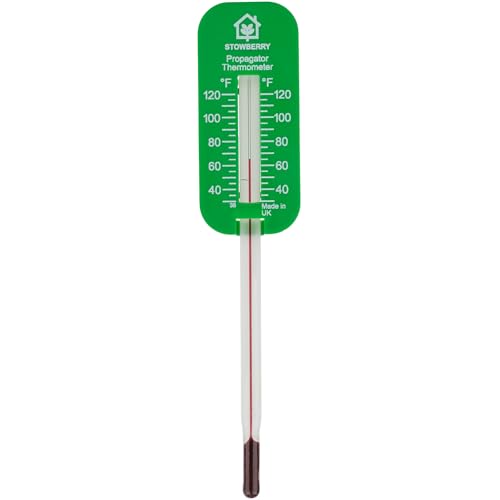
ACCURATE SOIL TEMPERATURE READINGS – Ensure the perfect growing environment for seeds and plants with this greenhouse soil thermometer, designed to give reliable and precise temperature measurements.
Causes of Delayed Germination
- Soil Temperature: Lettuce seeds sprout best when the soil temperature is between 55°F and 70°F. Temperatures below 50°F can slow down germination significantly.
- Moisture Levels: Insufficient moisture in the soil can prevent seeds from absorbing the water they need to sprout. Conversely, overly wet conditions can lead to seed rot.
- Light Exposure: Some lettuce varieties require light for germination, while others do not. If your seeds prefer light, ensure you expose them accordingly during the germination phase.
- Seed Quality: Old or poorly stored seeds may lack the vitality needed for successful sprouting. Always use fresh seeds from a reliable source for the best results.
- Monitor Soil Temperature: Use a soil thermometer to maintain optimal temperature ranges. If conditions are too cool, consider using row covers or starting seeds indoors.
- Adjust Watering Practices: Keep the soil consistently moist but not saturated. Employ gentle watering techniques like a spray bottle or a fine mist to avoid displacing the seeds.
- Provide Appropriate Light Conditions: If using light-dependent seeds, place them under grow lights or in a sunny location after planting. Ensure they’re exposed to at least 12 hours of light daily.
- Select High-Quality Seeds: Purchase seeds from reputable suppliers, checking the expiration date. Store seeds in a cool, dry place to prolong their lifespan.
By identifying issues and applying solutions, you’ll promote a successful sprouting process for your lettuce seeds, leading to a thriving garden.
Conclusion
Getting your lettuce seeds to sprout can be a rewarding experience. By keeping an eye on the right conditions and addressing any potential issues you might encounter, you’ll set yourself up for success. Remember that patience is key; those tiny seeds will soon transform into vibrant greens.
With a little care and attention, you’ll be enjoying fresh lettuce from your garden in no time. Happy gardening!
Frequently Asked Questions
How long does it take for lettuce seeds to germinate?
Lettuce seeds typically germinate within 7 to 14 days under optimal conditions. The right soil temperature, moisture levels, and light exposure significantly influence this timeline.
What factors can delay lettuce seed germination?
Factors such as soil temperatures below 55°F, insufficient moisture, inadequate light exposure, and using old or improperly stored seeds can all delay germination.
What is the ideal soil temperature for lettuce seeds?
The ideal soil temperature for germinating lettuce seeds is between 60°F to 70°F. Keeping the temperature within this range promotes faster and more reliable sprouting.
How can I improve moisture levels for seed germination?
To improve moisture levels, regularly check the soil to ensure it’s consistently moist but not soggy. Using a spray bottle can provide gentle moisture without over-saturating the soil.
What light conditions are best for germinating lettuce seeds?
Lettuce seeds require bright, indirect light for optimal germination. If growing indoors, a grow light can help provide the necessary light conditions to support the seed sprouting process.
How can I ensure I’m using high-quality seeds?
To ensure high-quality seeds, purchase them from reputable vendors, check the packaging date, and store them in a cool, dry place. This increases the likelihood of successful germination.
What should I do if my lettuce seeds don’t germinate?
If your lettuce seeds don’t germinate, check soil temperature, moisture levels, and light exposure. Adjust these factors as needed and consider trying fresh seeds for better results.
