

Ever bought a bunch of fresh lettuce only to watch it wilt and spoil in your fridge days later? You’re not alone. Many of us struggle to keep cut lettuce crisp and fresh, leading to wasted food and money.
Key Takeaways
- Preservation Importance: Maintaining cut lettuce freshness is vital for retaining nutrients, saving money, enhancing flavor, and streamlining meal prep.
- Optimal Storage Methods: Utilize air-tight containers and damp paper towels, and store lettuce at a fridge temperature of 36-38°F (2-3°C) for maximum longevity.
- Water Soaking Technique: Soaking cut lettuce in cold water for 10-15 minutes can rehydrate leaves, keeping them fresh for up to five days.
- Selecting Best Varieties: Leafy types, such as romaine and butterhead, generally last longer than crisphead varieties, like iceberg.
- Avoid Common Mistakes: Ensure proper temperature, choose appropriate containers, control moisture levels, and remove excess air during storage to maintain lettuce freshness.
- Regular Spoilage Checks: Frequently inspect your cut lettuce for spoilage and remove any damaged leaves promptly to prevent the spread of decay.
Importance Of Preserving Cut Lettuce
Preserving cut lettuce proves essential for maintaining its freshness and nutritional value. Fresh lettuce contains vitamins A, C, and K, along with fiber, which enhance your diet. When lettuce wilts or spoils, these nutrients diminish significantly.
Minimizing food waste saves money. Studies show that households throw away about 30-40% of food annually, leading to unnecessary expenses. By properly preserving cut lettuce, you ensure you consume more of the product you purchase.
Enhanced flavor also comes from fresh lettuce. Wilted lettuce lacks crunch and texture, diminishing the overall taste of salads and wraps. Maintaining crispiness elevates meals and enhances enjoyment.
Preparation time reduces with preserved cut lettuce. By storing it correctly, you can quickly assemble healthy dishes without extra washing or cutting. This efficiency fits perfectly into busy schedules.
To sum up, preserving cut lettuce ensures freshness, retains nutrients, saves money, enhances flavor, and streamlines meal preparation. Implement preservation methods to enjoy these benefits.
Best Methods To Preserve Cut Lettuce
Preserving cut lettuce keeps it fresh and crunchy. Here are effective techniques to extend its shelf life.
Recommended Products

Keep your produce fresh for longer: The PrepSolutions Lettuce Keeper keeps your produce fresh with an adjustable air vent and water reservoir, creating the ideal environment for fresh fruits and vegetables. Item measures 12.5" W x 7.25" D x 5.25" H and weighs 1.14 lbs.

Better for different produce : You will get 4 sized fridge organizers and 4 matched colanders that could be used in the container or separate. Size from 0.32 L to 2.7 L [ 0.34 - 2.85 qt ]. Suited for berries, fruits, vegetables, meats

𝐊𝐞𝐞𝐩𝐬 𝐕𝐞𝐠𝐞𝐭𝐚𝐛𝐥𝐞𝐬 𝐅𝐫𝐞𝐬𝐡 𝐋𝐨𝐧𝐠𝐞𝐫: The Home-X salad keeper for refrigerator is designed to preserve the freshness of lettuce, broccoli, cauliflower, and more. It creates an ideal cold, moist storage environment to help your vegetables stay crisp and fresh for longer periods.
Refrigeration Techniques
Store cut lettuce in the fridge using these methods:
- Air-tight containers: Place cut lettuce in air-tight containers. This minimizes moisture loss.
- Paper towels: Wrap lettuce leaves in damp paper towels before placing them in containers. This keeps them crisp.
- Temperature control: Set your fridge to 36-38°F (2-3°C). This optimal temperature slows down wilting.
Using these techniques, cut lettuce can last up to one week.
Water Soaking Method
Soaking cut lettuce in water helps retain freshness. Follow these steps:
- Prepare a bowl: Fill a bowl with cold water. Ensure it’s large enough to submerge the lettuce.
- Soak lettuce: Submerge the cut lettuce in the water for 10-15 minutes. This rehydrates the leaves.
- Drain and dry: Remove the lettuce and let it drain. Use a salad spinner or paper towels to remove excess water.
- Store in containers: Place the soaked and dried lettuce in air-tight containers.
This method can keep your lettuce fresh for around five days.
Implement these preservation techniques to enjoy your lettuce longer while minimizing waste.
Tips For Extending Freshness
To keep cut lettuce fresh and crisp, follow these essential tips. They ensure that your greens maintain their texture and nutritional value.
Recommended Products

5 packs : You will get 5 fridge storage containers with colander size from 300 ml to 4200 ml [10 oz - 148 oz ]. Suited for Most fruits, vegetables, berries, meats.

Contains (1) ProKeeper Produce Keeper, 3-Quart with Stay Fresh Vent

KEEP PRODUCE FRESHER LONGER: Rubbermaid FreshWorks Produce Saver uses FreshVent technology to regulate airflow, so your produce stays fresher longer.
Choosing the Right Lettuce
Selecting the right variety can impact freshness. Leafy types, like romaine and butterhead, often hold up better than crisphead varieties, like iceberg. Look for leaves that are vibrant and free from brown spots or wilting. Check the expiration date and choose lettuce packaged for extended freshness. Freshly harvested greens typically last longer, so visiting local farmers’ markets can provide fresher options.
Proper Storage Containers
Use proper storage containers to maximize lettuce freshness. Choose air-tight containers that minimize exposure to air and moisture. Glass or BPA-free plastic containers work well. If you opt for a resealable bag, remove excess air before sealing. Wrapping lettuce in damp paper towels before placing it in the container provides moisture control, preventing wilting while avoiding excess humidity. Always store lettuce in the vegetable crisper drawer to maintain the ideal temperature and humidity.
Common Mistakes To Avoid
Preserving cut lettuce requires attention to detail. Avoiding these common mistakes helps maintain freshness and quality.
Recommended Products
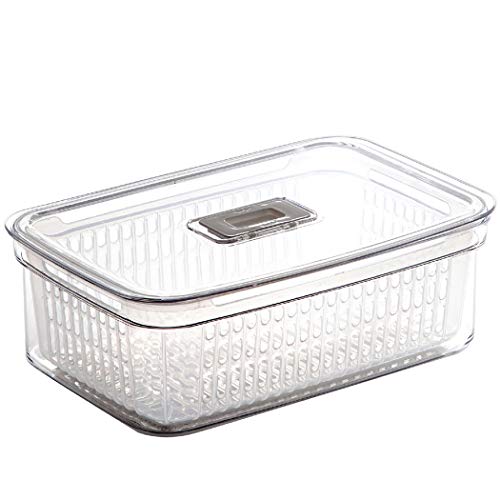
Clever Design: The BINO produce saver is made of a durable material that is easy to clean and has a tight-fitting lid to keep out moisture and air. It has a removable colander-style basket that helps drain any excess water.

🔔Innovative Design🔔: Our Avocado Keeper features an upgraded design with numerous protrusions along the edge to increase friction, making it easier to open. This space-saving container not only keeps your food fresh but also organizes your fridge efficiently. Its apple-shaped design perfectly fits halved fruits and vegetables for easy identification.

KEEP PRODUCE FRESHER LONGER: Rubbermaid FreshWorks Produce Saver uses FreshVent technology to regulate airflow, so your produce stays fresher longer
Not Storing at the Right Temperature
Ensure your fridge temperature stays between 36-38°F (2-3°C). Storing lettuce at higher temperatures accelerates wilting and spoiling.
Using Inappropriate Containers
Using the wrong storage containers can lead to poor results. Avoid non-ventilated bags or loose wraps. Instead, opt for air-tight glass or BPA-free plastic containers.
Ignoring Moisture Levels
Ignoring moisture control can be detrimental. Too much moisture encourages mold growth. Use damp paper towels when wrapping lettuce to manage moisture without excess humidity.
Choosing the Wrong Lettuce Varieties
Choosing lettuce varieties affects preservation. Crisphead types like iceberg tend to spoil faster than leafy types like romaine. Always select varieties known for better shelf life.
Failing to Remove Excess Air
Failing to remove excess air when using resealable bags can diminish freshness. Squeeze out as much air as possible to extend the life of cut lettuce.
Not Checking for Spoilage
Not regularly checking for spoilage can lead to waste. Inspect your lettuce for brown spots or wilting leaves. Remove any spoiled pieces promptly to avoid spoiling the fresh ones.
Storing Lettuce with Ethylene-Producing Vegetables
Storing lettuce with ethylene-producing vegetables like tomatoes or bananas can accelerate spoilage. Keep cut lettuce separate to maintain its freshness longer.
Using Old Lettuce
Using old or damaged lettuce at the start of preservation can diminish results. Always start with fresh, vibrant lettuce for the best outcomes.
By avoiding these mistakes, you can successfully preserve cut lettuce, extending its freshness and ensuring optimal flavor.
Conclusion
With the right techniques you can keep your cut lettuce fresh and delicious for longer. By following the tips shared in this article you’ll not only reduce waste but also enjoy the vibrant flavors and crunch that fresh lettuce brings to your meals. Remember to pay attention to storage methods and choose the right varieties to maximize freshness.
Taking these simple steps will save you money and make meal prep a breeze. So next time you buy lettuce don’t let it go to waste. Enjoy every crisp bite and feel good about your efforts to preserve your food!
Frequently Asked Questions
Why does fresh lettuce spoil quickly in the fridge?
Fresh lettuce spoils quickly due to moisture loss and improper storage. When not stored correctly, air exposure can lead to wilting, while excess moisture can promote spoilage. Using appropriate containers and maintaining optimal fridge temperatures can help extend its freshness.
How can I keep cut lettuce fresh for longer?
To keep cut lettuce fresh, store it in air-tight containers, wrap it in damp paper towels, and maintain a fridge temperature of 36-38°F (2-3°C). Another effective method is soaking the lettuce in cold water for 10-15 minutes before storage.
What are the best types of lettuce to store?
Leafy varieties like romaine and butterhead tend to last longer compared to crisphead types like iceberg. Choosing vibrant leaves free from brown spots is essential for maximizing freshness and shelf life.
What common mistakes should I avoid when preserving lettuce?
Avoid storing lettuce with ethylene-producing vegetables, failing to remove excess air from bags, and neglecting to check for spoilage regularly. Using old or damaged lettuce can also accelerate spoilage.
How can proper storage reduce food waste?
Proper storage techniques help maintain the freshness of lettuce, preventing spoilage and minimizing food waste. Since households throw away 30-40% of food annually, preserving lettuce can save money and contribute to a more sustainable kitchen.
