

Do you ever find yourself dreaming of the juiciest, most flavorful tomatoes straight from your garden? Picture this: plump red tomatoes bursting with freshness, ready to be picked and enjoyed. But wait – before you can savor these delicious fruits of your labor, there’s a crucial step you shouldn’t overlook: preparing the soil.
Key Takeaways
- Understanding soil needs for tomatoes is crucial for successful growth.
- Soil structure and pH play significant roles in providing the right environment for tomato plants.
- Testing soil quality and amending it with organic matter are essential steps before planting tomatoes.
- Choosing the right fertilizers, such as organic or slow-release options, can benefit tomato plants’ growth.
- Maintaining soil health through proper watering techniques and regular monitoring is key for a bountiful tomato harvest.
Understanding Soil Needs for Tomatoes
When it comes to growing juicy and flavorful tomatoes in your garden, understanding the soil requirements is crucial. Let’s delve into the key aspects that affect the growth of your tomato plants.
The Importance of Soil Structure
Soil structure plays a vital role in ensuring healthy tomato growth. It refers to how individual soil particles clump together and form aggregates. For tomatoes, you’ll want a well-aerated soil structure that allows roots to penetrate easily, access nutrients, and enables proper drainage. Compacted or dense soil can hinder root development and lead to waterlogging issues.
The Role of Soil pH
The pH level of the soil significantly impacts the availability of essential nutrients for tomato plants. Tomatoes thrive in slightly acidic soil with a pH range between 6.0 and 6.8. Maintaining the correct pH ensures optimal nutrient uptake by the roots, promoting robust plant growth and fruit development. Testing your soil’s pH levels before planting tomatoes can help you make necessary amendments for creating an ideal growing environment.
Preparing Your Garden Soil
When it comes to getting your garden soil ready for planting tomatoes, there are a few essential steps you need to take. Here’s how you can ensure that your soil is in prime condition for growing healthy and flavorful tomatoes.
Recommended Products

Quick, at home results for Soil pH, Nitrogen, Phosphorous and Potash Innovative and inexpensive soil test kit features an easy-to-use capsule system and patented color comparators

Kindly NOTE: This soil tester can not be applied to test pH value of any other liquid. If the soil is too dry the indicator will not move, and water it before testing.

Accurate Soil pH Testing: Dewildetradingco Soil pH Test Strips offer measurements of soil pH levels (pH 3.5-9). As an essential tool for every gardener and grower, these test strips help determine the optimal pH for various plants, such as outdoor plants, indoor plants, gardens, grass lawns, fruit trees, flowers, vegetables, and forest shrubs.
Testing Soil Quality
Before you start planting your tomato seeds or seedlings, it’s crucial to test the quality of your soil. You can do this by using a simple soil test kit available at most gardening stores or by sending a sample to a local agricultural extension service. Testing will help you understand the current pH level, nutrient content, and any deficiencies that may exist in your soil.
Amending Soil with Organic Matter
Once you have identified any issues with your soil through testing, it’s time to amend it with organic matter. Adding compost, well-rotted manure, or other organic materials can improve the structure and fertility of the soil, providing essential nutrients for your tomato plants. Work the organic matter into the top layers of the soil before planting to ensure even distribution and maximum benefit for your plants.
Choosing the Right Fertilizers
When it comes to selecting fertilizers for your tomato plants, you want to ensure you’re providing them with the nutrients they need to thrive. Here’s how you can make the best choices:
Types of Fertilizers
- Organic Fertilizers: These are derived from natural sources and promote soil health while feeding your plants. Examples include compost, manure, and fish emulsion.
- Synthetic Fertilizers: These are chemically manufactured and provide a quick nutrient boost to plants. They usually contain specific ratios of nitrogen, phosphorus, and potassium.
- Slow-Release Fertilizers: These release nutrients gradually over time, providing a steady supply to your tomatoes throughout their growth cycle.
- Follow Instructions: Always read and follow the manufacturer’s instructions on how much fertilizer to use per plant or area.
- Timing is Key: Apply fertilizers at the right time – typically before planting and during key growth stages like flowering or fruiting.
- Even Distribution: Ensure uniform distribution of fertilizers around each plant to avoid nutrient imbalances.
- Avoid Overfeeding: Too much fertilizer can harm your tomato plants, so apply judiciously based on plant needs.
Maintaining Soil Health Through the Season
To ensure your tomatoes thrive throughout the season, it’s essential to maintain the health of your garden soil. Here are some key practices to help you achieve optimal soil conditions for your tomato plants.
Recommended Products
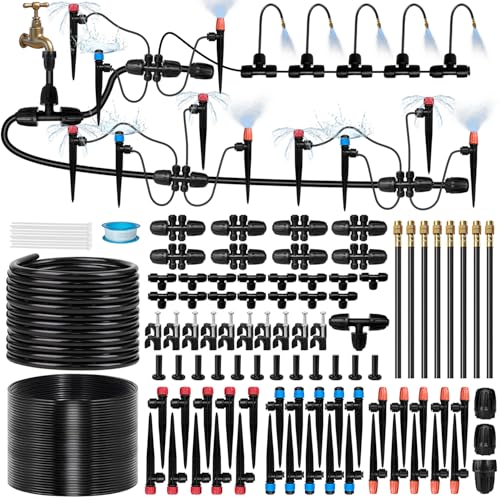
【Upgraded Tube Design & Water Saving】 Our garden watering system is upgraded to 1/2” diameter to support high water pressure. The 1/2” tee connector allows seamless splitting into 2 independent zones for customized watering schedules. By delivering moisture directly to root zones, this drip Irrigation system significantly reduces evaporation and runoff—saving more water compared to conventional sprinklers while eliminating the need for manual watering.

NO MORE HARD INSTALLATION - SET UP IN MINUTES. Tired of struggling with stiff barbed fittings? This drip irrigation system features quick-connect fittings that let you push, lock, and secure tubing effortlessly. No tools, no leaks, just a smooth setup experience. Enjoy a frustration-free installation and get your garden watering system running in minutes.

Complete 42-piece Drip irrigation kit eliminates watering by hand
Watering Techniques for Tomatoes
When it comes to watering your tomato plants, consistency is key. You should aim to keep the soil consistently moist but not waterlogged. Deep, infrequent watering is preferable to frequent shallow watering as it encourages deeper root growth and helps prevent issues like blossom end rot.
One effective technique is drip irrigation, which delivers water directly to the base of the plants, minimizing water waste and reducing the risk of fungal diseases that can result from overhead watering. Mulching around your tomato plants can also help retain moisture in the soil and reduce evaporation.
Monitoring Soil Conditions
Regularly monitoring soil conditions is vital for ensuring that your tomatoes have access to essential nutrients. Conduct periodic pH testing to ensure that the soil remains within the optimal range for tomato cultivation, which is typically between 6.0 and 6.8.
Keep an eye on nutrient levels by observing plant growth and health. Yellowing leaves may indicate a nitrogen deficiency, while stunted growth could point to a lack of phosphorus or potassium. Consider performing a soil test at least once a year to determine any deficiencies and adjust your fertilization practices accordingly.
By implementing proper watering techniques and closely monitoring soil conditions, you can maintain healthy garden soil throughout the season, providing your tomatoes with the best environment for robust growth and bountiful harvests.
Conclusion
You’ve learned the key steps to prepare your garden soil for thriving tomato plants. By testing, amending, and choosing the right fertilizers, you set the foundation for healthy growth. Remember to follow manufacturer guidelines, water wisely, and monitor soil health throughout the season. These practices will help your tomatoes flourish and yield bountiful harvests. Happy gardening!
Frequently Asked Questions
Why is testing and amending garden soil important before planting tomatoes?
Testing and amending garden soil with organic matter before planting tomatoes ensures proper nutrient levels for optimal growth and development.
What are the different types of fertilizers suitable for tomato plants?
Organic, synthetic, and slow-release fertilizers are commonly used for tomato plants to provide essential nutrients.
How should I apply fertilizers to tomato plants?
Follow manufacturer instructions, time applications correctly, ensure even distribution, and avoid overfeeding when applying fertilizers to tomato plants.
What practices help maintain soil health throughout the growing season?
Practicing proper watering techniques like drip irrigation, monitoring soil pH and nutrient levels, and adjusting fertilization practices as needed promote soil health.
