

Have you ever wanted to grow your own fresh lettuce but weren’t sure where to start? If you’ve got a raised bed, you’re already on the right track! Planting lettuce seeds is a simple yet rewarding process that can lead to a bountiful harvest right in your backyard.
Key Takeaways
- Choose the Right Location: Select a spot in full sun for 6-8 hours daily with good drainage to promote healthy growth of lettuce.
- Prepare High-Quality Soil: Use a blend of compost, peat moss, and garden soil with a pH between 6.0 and 7.0 to create nutrient-rich conditions for your lettuce seeds.
- Select Suitable Varieties: Consider growing Butterhead, Romaine, Leaf, or Iceberg lettuce based on your taste preferences and local climate conditions for optimal harvests.
- Monitor and Care for Your Lettuce: Maintain consistent watering (about 1 inch weekly) and use balanced fertilizers every 2-3 weeks for lush foliage.
- Know When and How to Harvest: Look for signs like size, color, texture, and taste to determine readiness, and employ gentle cutting techniques to preserve the plant for multiple harvests.
Preparing the Raised Bed
Preparing your raised bed sets the stage for a healthy lettuce crop. Focus on location and soil to ensure success.
Recommended Products

Kindly NOTE: This soil tester can not be applied to test pH value of any other liquid. If the soil is too dry the indicator will not move, and water it before testing.

Ready-to-Use Formula: No mixing or extra steps required. Simply pour and plant - perfect for gardeners of all experience levels.

Accurate Soil pH Testing: Dewildetradingco Soil pH Test Strips offer measurements of soil pH levels (pH 3.5-9). As an essential tool for every gardener and grower, these test strips help determine the optimal pH for various plants, such as outdoor plants, indoor plants, gardens, grass lawns, fruit trees, flowers, vegetables, and forest shrubs.
Choosing the Right Location
Choose a spot that gets full sun for at least six to eight hours each day. Select a level area to avoid drainage issues. Avoid places with strong winds that can damage tender seedlings. Proximity to a water source makes routine watering easy.
Soil Preparation
Use a mix of high-quality soil and organic matter for planting. Combine equal parts of compost, peat moss, and garden soil. Aim for a soil depth of at least 12 inches to provide sufficient space for roots. Test the pH level; it should be between 6.0 and 7.0 for optimal lettuce growth. Add amendments like lime to raise pH or sulfur to lower it, as necessary. Mix in slow-release fertilizer to give your seeds the nutrients they need for a strong start.
Selecting Lettuce Varieties
Choosing the right lettuce varieties ensures a successful harvest and flavorful salads. Consider your preferences and growing conditions when selecting varieties.
Recommended Products

5-Variety Lettuce Seed Collection - Enjoy a continuous harvest of fresh, flavorful greens! This lettuce seed collection includes Black Seeded Simpson, Iceberg, Buttercrunch, Parris Island Cos, and Lolla Rossa Lettuce.
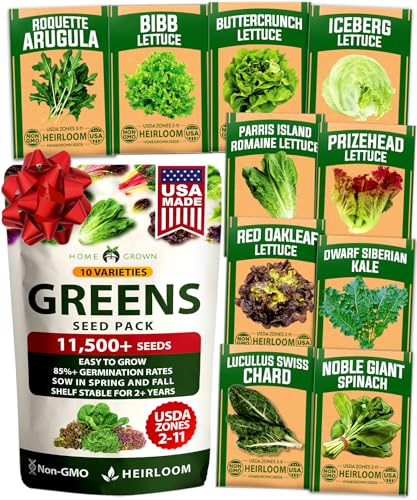
COMPLETE VARIETY PACK: Ten popular lettuce and leafy green varieties; Romaine lettuce seeds, Buttercrunch, Iceberg, Bibb, Red Oakleaf, Prizehead, Kale, Spinach and more; Perfect for organic salad gardens; High 95% germination rate

10 LETTUCE VARIETIES – Lettuce (Lactuca sativa) varieties for your garden, including Buttercrunch, Green Salad Bowl, Iceberg, Lolla Rossa, Oakleaf, Parris Island Romaine, All the Year Round, Black Seeded Simpson, Red Romaine, and Red Salad Bowl
Popular Lettuce Types
- Butterhead: This variety features soft, tender leaves that form loose heads. It’s known for its rich flavor and creamy texture.
- Romaine: Romaine has upright leaves with a crunchy texture. It’s perfect for salads and sandwiches, providing a classic taste.
- Leaf: Leaf lettuce grows in loose clumps, with a range of colors and flavors. It’s quick to mature, often ready for harvest in 30 to 45 days.
- Iceberg: Iceberg offers crisp, tightly packed heads. Though its flavor is milder, it’s highly popular for its crunchy texture in burgers and wraps.
- Butterhead: Enjoy tender leaves that remain sweet in moderate heat; choose this variety for cool-season planting.
- Romaine: Select romaine for its heat tolerance; it thrives in warmer temperatures and provides substantial yields.
- Leaf: Opt for leaf lettuce, as it grows quickly and can be harvested multiple times throughout the season; frequent cutting encourages more growth.
- Iceberg: Iceberg lettuce provides a classic crunch; plant it in well-drained soil and keep it consistently moist for the best results.
Consider these varieties and their characteristics to determine what suits your palate and garden conditions. Each type brings unique flavors and textures, enhancing your culinary creations.
Planting Lettuce Seeds
Planting lettuce seeds in a raised bed is simple and rewarding. Following these steps ensures healthy growth and a bountiful harvest.
Recommended Products

Black Seeded Simpson is a classic heirloom loose leaf lettuce with large, tender green leaves and a mild, sweet flavor. Harvest fresh leaves for salads, sandwiches, wraps, and other homegrown meals.

YEAR-ROUND GARDEN FAVORITE – Dependable butterhead lettuce that thrives in cool or moderate weather for consistent harvests from spring through fall, even under cover in winter

When to Plant
Plant lettuce seeds in early spring or fall. Lettuce thrives in cooler temperatures, ideally between 60°F and 70°F. If the weather warms up, consider planting heat-resistant varieties. Monitor your local frost dates to time your planting accurately, as lettuce seeds germinate best when soil temperature ranges from 45°F to 85°F.
- Prepare the Bed: Clear the raised bed of weeds and debris. Loosen the soil to a depth of about 12 inches. Mix in compost for nutrient-rich soil.
- Create Furrows: Use a garden rake to create furrows about ¼ to ½ inch deep. Space the furrows about 12 inches apart.
- Sow the Seeds: Space the seeds about 1 inch apart within each furrow. Cover them lightly with soil, ensuring they are not buried too deep.
- Water Gently: After sowing, water the bed gently to avoid displacing the seeds. Maintain consistent moisture without overwatering.
- Thin Seedlings: Once seedlings are a few inches tall, thin them to about 6 to 12 inches apart. This spacing allows for proper air circulation and growth.
Caring for Your Lettuce
Caring for your lettuce ensures healthy growth and a bountiful harvest. Focus on key areas like watering, fertilization, and pest management.
Watering Requirements
Water your lettuce consistently for optimal growth. Aim for about 1 inch of water per week, adjusting for rainfall. Water in the morning to prevent fungal diseases. Check the soil by sticking a finger an inch deep; if it feels dry, it’s time to water. Use a drip irrigation system or soaker hose to deliver moisture directly to the roots.
Fertilization Tips
Fertilize your lettuce to promote lush foliage. Use a balanced, water-soluble fertilizer at half strength every two to three weeks. Apply it when the plants are around 4 inches tall. Consider organic options like compost or worm castings to enrich the soil without chemical additives. Monitor growth; if the leaves appear yellow, adjust the fertilizer application.
Pest and Disease Management
Monitor your lettuce for pests and diseases. Common pests include aphids and slugs. Handpick pests or use organic insecticidal soap to remove them. Can prevent diseases by ensuring good air circulation and avoiding overcrowding. Remove any diseased leaves immediately and keep the area tidy. Rotate crops each season to reduce potential disease recurrence.
Harvesting Lettuce
Harvesting lettuce requires attention to detail for the best flavor and texture. Knowing when and how to harvest can significantly enhance your salad experience.
Signs of Readiness
Look for these signs to determine if your lettuce is ready for harvest:
- Size: Leafy lettuce varieties typically reach ideal harvest size in 30 to 60 days. Romaine and Butterhead should have leaves around 6 to 8 inches long.
- Color: Vibrant green leaves indicate freshness. Leaf color should be rich; faded leaves suggest it’s time to harvest.
- Texture: Crisp and firm leaves signify ripeness. Soft or wilting leaves mean you should harvest quickly.
- Taste: Sampling a leaf can provide insight. If the flavor is sweet and crisp, it’s ready.
Best Harvesting Techniques
Use these techniques for effective and gentle harvesting of your lettuce:
- Cutting: Use sharp scissors or a knife to cut leaves at the base. This method preserves the health of the plant and allows for multiple harvests.
- Pulling: For loose-leaf varieties, gently grasp the outer leaves and pull them off. Start from the bottom and work your way up for an even harvest.
- Timing: Harvest in the morning when temperatures are cooler. This practice helps maintain the lettuce’s firmness and flavor.
- Storage: Store harvested lettuce in a cool location. Wrap it in a damp paper towel and place it in a plastic bag to keep it fresh longer.
By following these signs and techniques, you can ensure a bountiful and delicious lettuce harvest.
Conclusion
Growing your own lettuce in a raised bed can be a rewarding experience. With the right variety and care you can enjoy fresh and flavorful salads right from your garden. Remember to keep an eye on watering and pests to ensure your plants thrive.
When it’s time to harvest don’t rush it. Enjoy the process and savor the taste of your homegrown lettuce. Each bite will remind you of the effort you put into nurturing your garden. Happy gardening and enjoy your delicious harvest!
Frequently Asked Questions
What are the best lettuce varieties for salads?
There are several popular lettuce varieties ideal for salads, including Butterhead for its tender leaves, Romaine for its crisp texture, Leaf lettuce for quick growth, and Iceberg for its crunchiness. Choosing the right variety can enhance the flavor and texture of your salads.
What are the optimal growing conditions for lettuce?
Lettuce thrives in cool temperatures, ideally between 60°F and 70°F. Ensure it gets full sun for at least 6 hours a day and provide well-drained soil rich in organic matter for optimal growth.
How often should I water lettuce?
Lettuce requires consistent moisture. Water your lettuce deeply about 1 to 2 inches per week, adjusting for rainfall. Drip irrigation systems can help maintain even moisture without overwatering.
What type of fertilizer is best for growing lettuce?
Use a balanced fertilizer, such as a 10-10-10 or organic options like compost, to provide necessary nutrients. Fertilize your lettuce every 4-6 weeks to support healthy growth.
How do I manage pests on my lettuce?
To manage pests, practice crop rotation and encourage beneficial insects. Use organic insecticidal soaps or neem oil as needed, and check for common pests like aphids and slugs regularly.
When is the right time to harvest lettuce?
Harvest lettuce when it reaches the desired size, color, and texture—usually before it bolts. Signs include crisp leaves and a sweet flavor. For best taste, pick in the morning.
What are the best techniques for harvesting lettuce?
Cut leaves at the base or gently pull them off to avoid damaging the plant. Harvesting in the morning and using clean tools ensures the best quality.
How should I store harvested lettuce to keep it fresh?
Store harvested lettuce in a cool, dry place, ideally in a perforated plastic bag in the fridge. Keeping it dry and cool helps maintain its crispness and shelf life.
