

Have you ever wondered when your lettuce is ready to be picked? You’re not alone. Many gardeners face the challenge of knowing the right time to harvest this crisp, leafy green. Waiting too long can lead to bitterness while picking too early means missing out on that perfect crunch.
Key Takeaways
- Understand Growth Stages: Lettuce goes through three key growth stages—germination, vegetative, and maturation—each with distinct characteristics helping you determine when to harvest.
- Monitor Size and Head Formation: Lettuce is typically ready to harvest when outer leaves are 6 to 8 inches long and the plant shows a firm, rosette shape.
- Observe Leaf Color and Texture: Look for vibrant green, crisp leaves free from wilting. Signs of yellowing or brown spots indicate it’s time to harvest.
- Consider Environmental Factors: Optimal growing conditions include temperatures between 60°F to 70°F and well-draining, nutrient-rich soil to prevent stress and bolting.
- Use Proper Harvesting Techniques: Employ hand harvesting methods by either snapping off outer leaves or cutting heads at the base to maintain plant health for continued growth.
- Maintain Freshness: Use clean tools and lightly mist harvested lettuce to enhance freshness before storage.
Understanding Lettuce Growth Stages
Understanding the growth stages of lettuce helps you determine the right time for harvesting. Lettuce progresses through three key stages: germination, vegetative, and maturation. Each stage has distinct characteristics to recognize.
Germination Stage
Germination begins when you plant seeds. This stage lasts about 7 to 14 days, depending on the variety and conditions. You’ll notice tiny seedlings emerging from the soil. Ensure the soil remains moist during this time. Ideal temperatures for germination range from 65°F to 75°F. If conditions are right, seeds will sprout soon.
Vegetative Stage
The vegetative stage follows germination and lasts about 3 to 6 weeks. During this time, lettuce grows leaves and establishes a strong root system. You should see more pronounced, lush green leaves. Water regularly to keep the soil moist but not waterlogged. Fertilize every few weeks for better growth. This stage is vital for developing the crisp texture you want in your lettuce.
Maturation Stage
The maturation stage begins when the plant reaches its full size, typically 6 to 10 weeks after planting, depending on the variety. Leaves spread out, and the plant forms a rosette shape. You can harvest once the outer leaves are about 6 to 8 inches long. Watch for signs of flowering, which indicates the plant is going to bolt and may become bitter. Timing is crucial here; the best taste comes from picking just before flowering begins.
Signs That Lettuce Is Ready to Harvest
Determining when lettuce is ready to harvest involves observing various signs. Pay attention to these key indicators to ensure optimal flavor and texture.
Recommended Products

Tupperware Green Lettuce Corer Knife

Tupperware Lettuce Corer Serrated Knife Like Gadget in Mint Green

Fast & Efficient Cabbage Shredding: Super easy-to-use cabbage shredder with stainless steel blade for shredding cabbage or vegetables for making homemade coleslaw or sauerkraut. Simply place the cabbage on the table and cut it with this knife. Material: stainless steel Dimensions: Length: 32.5 cm (12.8 inches) Width: 8.8 cm (3.46 inches)
Size and Head Formation
You can expect lettuce to reach harvest readiness when outer leaves measure 6 to 8 inches long. At this size, the plant forms a distinct rosette shape, indicating maturity. For varieties like romaine or butterhead, heads should feel firm and well-formed. Inspect the central leaves; if they begin to fold inward or if the head feels tight, it’s a good sign that your lettuce is ready.
Leaf Color and Texture
Watch for vibrant, rich green leaves as a sign of readiness. Healthy lettuce displays crisp and tender leaves, free from wilting or discoloration. If the leaves turn yellow or develop a few brown spots, harvest soon, as these may indicate stress. Additionally, check the texture; leaves should feel smooth and crisp. If they become tough or rubbery, it’s time to pick your lettuce to ensure the best taste and crunch.
Environmental Factors Influencing Lettuce Growth
Environmental factors significantly impact the growth and readiness of your lettuce for harvest. You can optimize these conditions to ensure healthy plants and flavorful leaves.
Recommended Products

FULL SPECTRUM & NATURAL LIGHT: A19 full spectrum grow light appears 4000K white to eyes but has a red/blue light spectrum. Same as natural sun shine, perfect for tomatoes, cucumbers, peppers, leafy greens and herbs at all growth stages.

【8.6'' Light Strip and 52 Full Spectrum LEDs】The Grow Light has 52 LEDs and each light bar has 26pcs 3500K LEDs. High quality LEDs help plants grow with high light efficiency, high PPFD, low heat and longer lifespan. Indoor plant light emits all wavelengths from 380nm to 800nm, simulating natural sunlight to more effectively promote the growth of indoor plants.
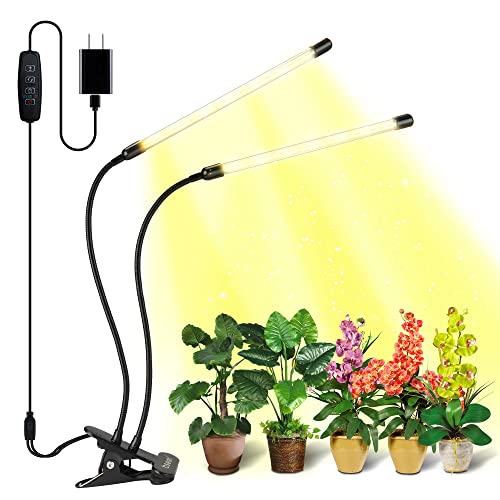
Full Spectrum LED with Yellow and White Combination: Bseah led grow light can promote photosynthesis, germination, growth, flowering and fruiting of plants.
Temperature and Light Conditions
Temperature and light duration play crucial roles in lettuce growth. Ideal temperatures for lettuce range from 60°F to 70°F. When temperatures rise above 75°F, plants may bolt, leading to a bitter taste.
Provide at least 12 hours of daylight for optimal growth. If natural light is insufficient, consider using grow lights. Adjusting light exposure promotes robust leaf development and prevents premature flowering.
Soil Quality and Watering
Soil quality directly affects the nutrient availability for your lettuce. Use well-draining, loamy soil rich in organic matter. This supports root health and prevents issues like root rot.
Watering is equally important. Keep the soil consistently moist, but avoid overwatering. Drip irrigation systems work well, providing even moisture without wetting the leaves. Aim for about 1 to 1.5 inches of water weekly, ensuring deep root growth and preventing stress.
By monitoring these environmental factors, you can effectively guide your lettuce through its growth stages and determine the right time for harvest.
Methods for Harvesting Lettuce
Harvesting lettuce involves careful techniques to ensure the best flavor and texture. You can use different methods based on your needs and the size of your garden.
Hand Harvesting Techniques
- Assess Maturity: Check the leaves for size, color, and texture. Leafy varieties reach maturity when leaves are about 6 to 8 inches long.
- Snap Off Outer Leaves: For continuous harvest, gently remove outer leaves, allowing the inner leaves to grow. This promotes steady production.
- Cutting at the Base: Use a sharp knife to cut the lettuce head at the base, just above the soil. This method works well for heading varieties.
- Use Clean Hands: Ensure your hands are clean to prevent contamination when handling the lettuce.
- Sharp Knife or Scissors: A clean, sharp knife or scissors ensures a clean cut and minimizes damage to the plant.
- Harvest Basket: Use a basket to collect harvested lettuce. This keeps your leaves in good condition and reduces bruising.
- Garden Gloves: Wearing gloves protects your hands and keeps your harvest clean.
- Water Spray Bottle: Lightly mist the harvested lettuce before storing. This helps maintain freshness.
By applying these methods and utilizing the right tools, you can enjoy a bountiful harvest of lettuce, ensuring each leaf is as fresh and flavorful as possible.
Conclusion
Knowing when to harvest your lettuce can make all the difference in flavor and texture. By paying attention to the signs of readiness and using the right techniques, you can enjoy a fresh and delicious crop.
Remember to keep an eye on the size and color of your leaves and don’t hesitate to taste a few along the way. With a little practice you’ll soon become an expert at knowing when your lettuce is just right for picking. Happy gardening and enjoy your fresh harvest!
Frequently Asked Questions
What are the stages of lettuce growth?
Lettuce growth generally progresses through several stages: germination, seedling, vegetative, and maturity. Germination occurs when seeds sprout, followed by the seedling stage where young plants develop leaves. In the vegetative stage, plants grow larger and produce more foliage, leading to the maturity stage, where the lettuce is ready for harvest.
How can I tell when lettuce is ready to harvest?
Look for signs of readiness, such as firm leaves that are well-developed and a vibrant color. Generally, loose-leaf varieties can be harvested when they reach 6-10 inches in height, while head lettuce should feel solid and dense. Regularly inspecting your plants helps determine the right time to pick.
What environmental factors influence lettuce growth?
Lettuce prefers cool temperatures and consistent moisture for optimal growth. Factors such as soil quality, light exposure, and humidity also play a crucial role. Too much heat can lead to bolting, whereas inadequate water can cause stress or poor leaf development.
What methods can I use for harvesting lettuce?
To harvest lettuce, assess maturity, then use hand-harvesting techniques. Tools like a sharp knife or scissors can help cut the base of the plant. A harvest basket is useful for collecting leaves, while garden gloves protect your hands. A gentle water spray can also help refresh the leaves.
Why is it important to harvest at the right time?
Harvesting at the right time ensures the best taste and texture of lettuce. When picked too early or too late, lettuce can become bitter or wilted. Optimal harvest time maximizes flavor, maintains crunchiness, and extends its shelf life for better enjoyment.
