

Have you ever wanted to grow your own fresh lettuce but felt unsure where to start? You’re not alone! Many people dream of a vibrant garden filled with crisp greens but worry about the process. The good news is that planting a lettuce mix is easier than you think.
Key Takeaways
- Variety of Lettuce Mixes: Explore different types of lettuce mixes including Leaf, Romaine, Mesclun, Baby Lettuce, and Herb mixes to enhance flavor and texture in your salads.
- Nutritional Benefits: Lettuce mixes are low in calories but rich in essential vitamins (A, C, K), minerals (potassium, calcium), dietary fiber, and antioxidants that support overall health.
- Ideal Planting Conditions: Select a location with full sun (6 to 8 hours daily) and use well-draining soil with a pH of 6.0 to 7.0, enriched with organic matter for optimal growth.
- Proper Sowing Techniques: Sow seeds directly into the soil, ensuring enough space between rows (12-18 inches) and keeping the soil consistently moist for successful germination.
- Care and Maintenance: Water regularly for a moisture level of about 1 to 1.5 inches per week, and utilize balanced fertilizers carefully to avoid bitter-tasting lettuce.
- Timely Harvesting: Harvest lettuce mixes when leaves are crisp and green, typically 30 to 60 days after planting, to enjoy peak flavor and prevent bitterness from bolting.
Understanding Lettuce Mix Varieties
Lettuce mixes offer a delightful variety of flavors, colors, and textures. Choosing the right types for your garden enhances your salads and boosts your gardening experience.
Types of Lettuce Mix
- Leaf Lettuce Mix: This blend features tender, leafy varieties like Butterhead and Red Leaf. The soft leaves provide a mild flavor, making them perfect for salads.
- Romaine Lettuce Mix: Includes crisp Romaine varieties with a robust flavor profile. This mix works well in Caesar salads and adds crunch to any dish.
- Mesclun Mix: A combination of young, tender greens like arugula, mustards, and various lettuces. This mix provides a gourmet touch with peppery and sweet flavors.
- Baby Lettuce Mix: Composed of miniature versions of various lettuces harvested early. These tender leaves are great for salads and sandwiches, offering a delicate texture.
- Herb Lettuce Mix: Incorporates flavorful herbs alongside lettuces, such as basil and cilantro. This mix enhances salads and adds depth to numerous recipes.
Nutritional Benefits
Lettuce mixes are nutrient-dense and low in calories.
- Vitamins: Rich in vitamins A, C, and K. These vitamins support vision, immune function, and bone health.
- Minerals: Provides essential minerals like potassium and calcium. These nutrients contribute to heart health and bone strength.
- Fiber: Source of dietary fiber, which aids digestion and promotes a healthy gut. Adding fiber to your diet can also help in weight management.
- Antioxidants: Contains antioxidants that combat free radicals. These compounds help reduce inflammation and support overall health.
Grow your lettuce mix to enjoy these benefits while enhancing your meals with fresh flavors.
Preparing for Planting
Preparing for planting lettuce mix involves a few crucial steps. You want to ensure an ideal environment for your greens to thrive.
Recommended Products

Quick, at home results for Soil pH, Nitrogen, Phosphorous and Potash Innovative and inexpensive soil test kit features an easy-to-use capsule system and patented color comparators

HELPS REGULATE SOIL MOISTURE: Miracle-Gro Organic Indoor Potting Soil Mix is an organic potting soil that protects indoor plants against over and under watering

PREMIUM INGREDIENTS: This specifically crafted organic compost blend has a low pH premium formulation that is naturally lightweight and contains just the right ingredients ensuring healthy growth and beautiful results.
Selecting the Right Location
Select a spot that receives full sun, ideally 6 to 8 hours a day. Choose areas shielded from strong winds, as they can damage delicate lettuce leaves. If you’re growing indoors, consider a south-facing window or a grow light. Elevate your soil and avoid shaded areas for best results.
Soil Requirements
Use well-draining soil with a pH between 6.0 and 7.0. Incorporate organic matter like compost to enhance fertility and water retention. Aim for a soil mix that’s light and crumbly, which promotes healthy root development. Test your soil for nutrients and amend it as necessary to create a balanced growing medium.
Planting Lettuce Mix
Planting a lettuce mix is straightforward and rewarding. With a few simple steps, you can enjoy a vibrant crop of fresh greens.
Recommended Products

USDA Certified Organic by Oregon Tilth

"Mesclun" comes from the Provençal French word meaning "mixture" — this style of mixed salad greens originated in the Nice region of France and became a staple of fine restaurants worldwide before becoming a home garden favorite.
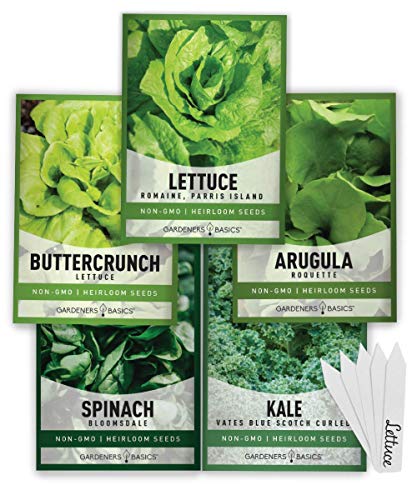
Five leafy greens varieties: Plant Parris Island romaine lettuce seeds, Buttercrunch lettuce seeds, Roquette arugula seeds, Vates Blue Scotch Curled kale seeds, and Bloomsdale spinach seeds. Includes 4,500+ seeds in five separate labeled packets.
Seed Selection
Select high-quality seeds suited to your climate. Consider varieties like Leaf Lettuce, Romaine Lettuce, or Mesclun mixes. Look for seeds that are organic and non-GMO for healthier growth. Check the seed packet for information on germination rates and growth periods to plan your planting schedule effectively.
Sowing Techniques
Sow seeds directly into well-draining soil. Create rows spaced 12 to 18 inches apart to allow enough room for growth. Scatter seeds lightly along the row and cover them with about ¼ inch of soil. Water gently to avoid displacing seeds. For optimal germination, keep the soil consistently moist but not waterlogged. Thin seedlings to about 4 to 6 inches apart once they reach a few inches tall to ensure healthy growth and air circulation.
Care and Maintenance
Caring for your lettuce mix involves consistent watering and the right fertilization. Follow these guidelines to ensure healthy growth.
Recommended Products

【Adjustable valve】 The flow rate can be controlled. The plant watering Device with control valve can control the dripping speed of 0-62 s/drip, and the sustained drip lasts for 1-12 days, The bigger the bottle of water, the longer they water your plants; Water discharge is approx Only adjust the valve to Meet your needs without complicated setup steps.

【Upgraded Tube Design & Water Saving】 Our garden watering system is upgraded to 1/2” diameter to support high water pressure. The 1/2” tee connector allows seamless splitting into 2 independent zones for customized watering schedules. By delivering moisture directly to root zones, this drip Irrigation system significantly reduces evaporation and runoff—saving more water compared to conventional sprinklers while eliminating the need for manual watering.

PROVIDE WATER PRECISELY WHERE NEEDED - Perfect drip stake for greenhouse, nursery & container gardening.
Watering Guidelines
Water your lettuce mix regularly to keep the soil consistently moist but not soggy. Aim to provide about 1 to 1.5 inches of water per week. Focus on the following:
- Soil Check: Stick your finger into the soil up to one inch. If it’s dry, it’s time to water.
- Morning Watering: Water in the morning to allow leaves to dry throughout the day, reducing the risk of fungal diseases.
- Drip Irrigation: Consider using a drip irrigation system. This method delivers water directly to the roots, minimizing evaporation.
- Rain Consideration: Monitor rainfall. Adjust watering based on natural precipitation to avoid overwatering.
- Choose Fertilizer: Select a fertilizer with equal parts nitrogen, phosphorus, and potassium, such as a 10-10-10 formula.
- Application Method: Mix the fertilizer into the soil surface before watering to enhance absorption.
- Organic Options: Consider using organic options like compost or well-rotted manure. These improve soil structure and add nutrients.
- Avoid Over-fertilizing: Too much fertilizer can lead to bitter tasting lettuce. Stick to the recommended amounts for best results.
Harvesting Your Lettuce Mix
Harvesting your lettuce mix at the right time ensures you enjoy the best flavor and texture. Regularly check for readiness to maintain a fresh supply.
When to Harvest
Lettuce mix typically reaches maturity in 30 to 60 days after planting. Harvest when the leaves are crisp and green, but before the plants begin to flower. This stage offers the best taste. If you notice any leaves wilting or turning yellow, it’s best to harvest those immediately. Pick daily if you’re encountering hot weather to prevent bolting, which results in a bitter taste.
How to Harvest
Use clean, sharp scissors or garden shears for harvesting. Avoid pulling the plants out, as this may disrupt the roots of neighboring plants. Follow these steps:
- Identify the outer, mature leaves. These are usually the largest and darkest leaves.
- Cut the outer leaves about an inch above the base of the plant. Leave the inner leaves intact for continued growth.
- Gather your harvested leaves in a basket or container.
- Rinse the leaves with cold water and dry them thoroughly. Store them in the refrigerator to maintain freshness.
Conclusion
Growing your own lettuce mix is a rewarding experience that adds freshness to your meals. With just a bit of attention and care you can enjoy a vibrant salad right from your garden. Remember to keep an eye on watering and fertilization to promote healthy growth.
When it’s time to harvest don’t rush—pick those crisp leaves at their peak for the best flavor. Proper washing and storage will ensure your lettuce stays fresh longer.
So grab your seeds and get started on your lettuce adventure. You’ll love the taste of homegrown greens!
Frequently Asked Questions
What types of lettuce mixes can I plant at home?
You can plant various lettuce mixes, including romaine, butterhead, and loose-leaf varieties. Each offers unique flavors and textures, making them perfect for salads and sandwiches.
How do I prepare the soil for planting lettuce?
For optimal growth, use well-draining soil rich in organic matter. Mix in compost or aged manure to enhance fertility and improve soil structure before planting your lettuce seeds.
How often should I water my lettuce?
Lettuce needs consistent moisture. Water your plants regularly, checking soil moisture to prevent drought stress. Morning watering is ideal; consider drip irrigation for efficiency.
When is the best time to harvest lettuce?
The best time to harvest lettuce is when the leaves are crisp and vibrant green, ideally before flowering. This timing ensures optimal flavor and texture for your salads.
What tools should I use for harvesting lettuce?
Use sharp scissors or garden shears to cut the leaves. This method minimizes disturbance to neighboring plants and helps prevent damage to the remaining lettuce.
How should I wash and store harvested lettuce?
Wash harvested lettuce thoroughly under cold water to remove dirt. Dry the leaves using a salad spinner or by patting them with a clean towel, then store in a sealed container in the refrigerator to maintain freshness.
