

Do you wish your lettuce would grow a bit faster? You’re not alone. Many gardeners find themselves waiting impatiently for their greens to flourish, often feeling like the growing season drags on.
Key Takeaways
- Optimal Conditions: Lettuce thrives in well-draining, nutrient-rich soil with pH levels between 6.0 and 7.0, alongside 12-16 hours of daily sunlight and temperatures between 60°F and 70°F.
- Watering Techniques: Use irrigation methods like drip systems and soaker hoses for efficient watering, maintaining consistent moisture to promote rapid growth while avoiding overwatering signs such as yellow leaves and root rot.
- Fertilization: Incorporate nitrogen-rich fertilizers and organic matter like compost to boost growth, applying them at planting and every four weeks to sustain nutrient levels.
- Variety Selection: Choose fast-growing lettuce varieties such as Leaf Lettuce and Mesclun for quicker harvests or go for Romaine and Butterhead for flavor and texture, balancing the growing time with desired results.
- Pest Control: Implement preventive measures such as crop rotation, companion planting, and regular inspections, alongside natural remedies like neem oil and beneficial insects, to protect your lettuce from pests and diseases.
- Growth Monitoring: Regularly assess growth conditions and adjust light, water, and nutrient levels as needed to ensure optimal lettuce health and maximize yield.
Understanding Lettuce Growth
Lettuce growth involves several key factors and types that can affect how quickly it matures. Recognizing these elements helps you optimize conditions for faster growth.
Factors Influencing Growth Rate
- Light Exposure: Lettuce requires 12-16 hours of sunlight daily for optimal growth. Insufficient light can slow development significantly.
- Soil Quality: Nutritious, well-draining soil encourages faster growth. Organic matter enriches soil fertility, leading to healthier plants.
- Watering Practices: Consistent moisture promotes quick growth. Water deeply but avoid standing water to prevent root rot.
- Temperature: Ideal temperatures for lettuce range from 60°F to 70°F. Extreme heat or cold can stunt growth or cause bolting.
- Fertilization: Using balanced fertilizers boosts growth. Apply nitrogen-rich fertilizers to enhance leaf development.
- Romaine: Known for its crisp leaves and strong flavor, Romaine grows quickly in cooler temperatures.
- Butterhead: This variety has tender leaves and matures in about 55-70 days. It’s ideal for those seeking a sweet, soft texture.
- Leaf Lettuce: Fast-growing with a variety of colors, leaf lettuce can be harvested as early as 30 days.
- Iceberg: Popular for its crunch, Iceberg takes longer to grow but thrives in warm temperatures.
- Mesclun: A mix of young leafy greens that grow rapidly and provide a variety of flavors. Harvest in just 30-45 days.
Understanding these factors and varieties allows you to make adjustments that maximize your lettuce’s growth potential.
Optimal Growing Conditions
Lettuce thrives under specific conditions that enhance its growth rate. Focusing on soil quality, light exposure, and temperature ensures you achieve faster, healthier lettuce crops.
Soil Requirements
Choosing the right soil is crucial for robust lettuce growth. Aim for loose, well-draining soil rich in organic matter. A pH level of 6.0 to 6.8 works best. Here are essential tips for optimal soil:
- Texture: Use loamy or sandy soil. These types drain well while retaining moisture.
- Nutrients: Incorporate compost or well-rotted manure to boost nutrient availability.
- Aeration: Ensure soil is crumbly, preventing compaction, which hinders root growth.
Light and Temperature Needs
Lettuce enjoys ample sunlight and moderate temperatures. Aim for 12 to 16 hours of sunlight daily for best results. Here’s how to manage light and temperature effectively:
- Sunlight: Place your lettuce in a spot that receives partial shade in hot climates, preventing bolting.
- Temperature: Maintain temperatures between 60°F and 70°F. Use shade cloths to keep lettuce cool during heat spikes.
- Heat Sensitivity: Recognize that high temperatures can slow growth, so monitor weather conditions closely.
By adhering to these optimal growing conditions, you can significantly boost your lettuce growth rate and enjoy a plentiful harvest.
Nutrient Management
Nutrient management plays a vital role in accelerating lettuce growth. Proper nutrition ensures robust plants, enhances flavor, and supports faster growth cycles.
Best Fertilizers for Lettuce
Use nitrogen-rich fertilizers to boost lettuce growth. A balanced fertilizer such as 10-10-10 or a liquid fish emulsion can provide essential nutrients. Apply fertilizer at planting and again every four weeks for continued support. Organic options like compost or well-rotted manure also work well. They provide slow-release nutrients and improve soil health.
Importance of pH Levels
Maintaining a pH level between 6.0 and 7.0 is crucial for optimal nutrient absorption. Test the soil pH using a simple home kit or send a sample to a lab. If the pH falls below 6.0, add lime to increase alkalinity. For levels above 7.0, incorporate sulfur to lower the pH. Proper pH ensures your lettuce can access vital nutrients, promoting faster growth and better yields.
Watering Techniques
Watering significantly impacts lettuce growth. Proper techniques ensure your plants thrive, leading to faster growth.
Recommended Products

Accurate Soil Moisture Detection: The XLUX Soil Moisture Meter can tell you if the soil deep inside your pot or garden is dry, moist or wet; whereas your eyes and fingers can only determine the moisture level of the soil surface. The probe is 5.5 inches (14 cm) longer than regular styles, allowing it to measure the soil moisture at the bottom of larger and deeper flower pots.
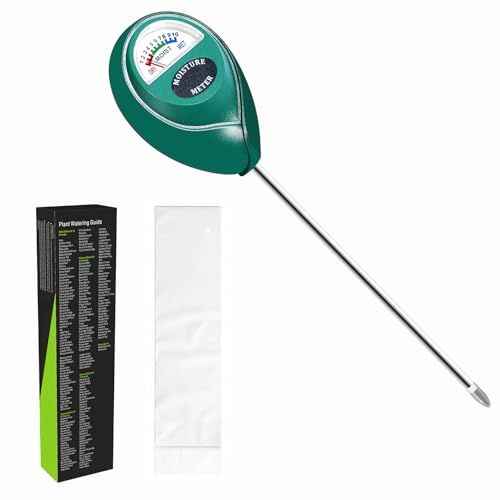
Trusted Since 2015: Become one of the many plant lovers who rely on the proven accuracy of XLUX. Established in 2015, our soil moisture meter has earned over 60,000+ verified ratings for its consistent performance. While many many newer brands come and go, we provide the long-term reliability and quality that American households have trusted for over a decade.
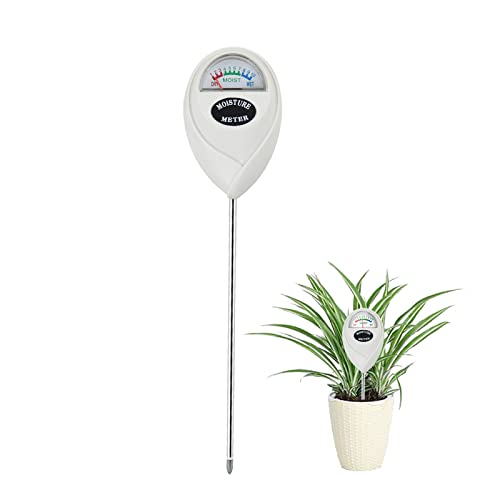
【SAVE YOUR PLANTS】: Over watering can cause problems with your plants or even kill them. This soil moisture meter helps you know the soil is dry, moist or wet.No more over watering!
Irrigation Methods
- Drip Irrigation: This method delivers water directly to the roots. It minimizes evaporation and runoff, promoting efficient water usage.
- Soaker Hoses: Soaker hoses distribute water slowly along the length of the hose. They keep soil consistently moist and reduce weed growth.
- Hand Watering: Use a watering can or hose with a spray attachment. Water gently to avoid disturbing the soil and ensure even moisture.
- Sprinklers: Install a sprinkler system for larger plots. Set timers to water early in the morning or late in the evening to reduce evaporation.
- Overwatering Signs:
- Yellow Leaves: Leaves may turn yellow and wilt, indicating excess water.
- Root Rot: Check roots for decay, which can occur when soil stays too wet.
- Mold Growth: Fungus or mold on the soil surface suggests overly moist conditions.
- Underwatering Signs:
- Wilting Leaves: Leaves droop and become limp due to insufficient moisture.
- Brown Tips: The edges of leaves may turn brown and crispy.
- Slow Growth: Lack of water can stunt overall growth and reduce yields.
Monitoring your watering techniques closely can lead to a bountiful lettuce crop. Make adjustments based on the specific needs of your plants.
Pest and Disease Control
Effective pest and disease control ensures healthy and fast-growing lettuce. Monitoring your plants closely helps catch problems early.
Recommended Products
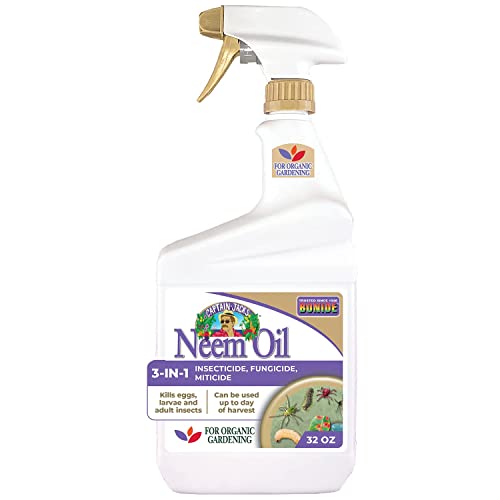
Protect your oasis with 3 garden products in 1 from Captain Jack’s; Bonide Captain Jack’s Ready-to-Use Neem Oil spray for plants is a multi-purpose fungicide, insecticide and miticide for your lawn & garden
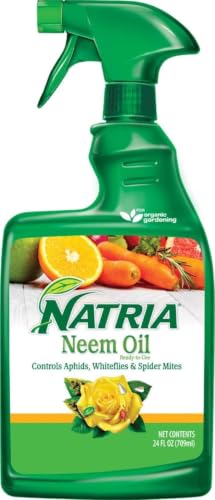
PLANT DISEASE CONTROL: Natria Neem Oil acts as an insecticide and fungicide in one convenient spray; Ready-to-use trigger sprayer requires no mixing

Protect your oasis with Captain Jack’s Neem Max Ready-to-Use Spray; this multipurpose product acts as a 4-in-1 insecticide, fungicide, miticide and nematicide
Preventive Measures
- Crop Rotation: Rotate crops yearly to disrupt pest and disease cycles.
- Companion Planting: Pair lettuce with plants like carrots or radishes that deter pests and enhance growth.
- Soil Health: Maintain rich, healthy soil with organic matter, which supports plant resilience against pests.
- Proper Spacing: Space your lettuce plants adequately to improve air circulation, reducing humidity that fosters diseases.
- Regular Inspections: Check leaves and stems weekly for signs of pests, such as aphids or slugs.
- Neem Oil: Use neem oil to repel and eliminate pests without harmful chemicals.
- Insecticidal Soap: Apply insecticidal soap to target soft-bodied insects like aphids and spider mites.
- Diatomaceous Earth: Sprinkle diatomaceous earth around your garden; it disrupts the exoskeletons of crawling pests.
- Garlic Spray: Blend garlic cloves with water and spray on plants to deter larvae and aphids.
- Beneficial Insects: Introduce ladybugs or lacewings that naturally feed on common pests, reducing their populations.
Implementing these pest and disease control methods enhances the growth conditions for your lettuce, promoting faster and healthier crops.
Conclusion
Growing lettuce doesn’t have to feel like a waiting game. By paying attention to the right conditions and using effective techniques you can see quicker results. Remember to keep an eye on your watering practices and monitor for pests to ensure your lettuce stays healthy and vibrant.
With a little patience and care you’ll enjoy a bountiful harvest sooner than you think. So get out there and start experimenting with these tips. Your taste buds will thank you when you bite into that fresh crisp lettuce straight from your garden. Happy gardening!
Frequently Asked Questions
Why does lettuce grow slowly?
Lettuce growth can be slow due to various factors, including the type of lettuce, inadequate sunlight, poor soil quality, and insufficient nutrients. Ensuring optimal conditions, such as proper watering, nutrient management, and pH balance, can help accelerate growth.
What soil pH is best for lettuce?
Lettuce grows best in soil with a pH level between 6.0 and 7.0. This range allows for optimal nutrient absorption, which is essential for healthy growth and development.
How often should I water lettuce?
Lettuce requires consistent moisture to thrive. Water it about 1-2 inches per week, adjusting based on weather conditions. Techniques like drip irrigation or soaker hoses can help maintain even moisture without overwatering.
What are the signs of overwatering lettuce?
Signs of overwatering include yellowing leaves, wilting, root rot, and mold growth on the soil surface. It’s crucial to monitor watering to avoid these issues and maintain healthy plants.
How can I control pests in my lettuce garden?
Effective pest control strategies include crop rotation, companion planting, maintaining soil health, and conducting regular inspections. Natural remedies like neem oil and insecticidal soap can also help manage pests without harmful chemicals.
What fertilizers are best for lettuce?
Nitrogen-rich fertilizers are ideal for lettuce as they promote leafy growth. Choose organic options or well-balanced fertilizers to support healthy development and ensure optimal nutrient levels in the soil.
