

Have you ever wanted to grow your own fresh lettuce but didn’t know where to start? You’re not alone! Many people dream of having a vibrant garden filled with crisp greens but feel overwhelmed by the process.
Planting lettuce is simpler than you might think, and it can be incredibly rewarding. Not only will you enjoy the satisfaction of growing your own food, but you’ll also have access to fresh, nutritious lettuce right at your fingertips. This article will guide you through the easy steps to plant lettuce in your garden, ensuring you’ll have a bountiful harvest in no time.
Key Takeaways
- Select the Right Variety: Choose from leaf, head, or romaine lettuce based on desired flavor and texture, ensuring proper spacing and soil depth for each type.
- Prepare the Garden: Ensure a sunny location with well-draining soil and the right pH (6.0-7.0). Enrich soil with compost for healthier growth.
- Timing is Key: Plant lettuce seeds in early spring or late summer to avoid bolting in warmer temperatures. Stagger sowing every two weeks for a continuous harvest.
- Water and Care Effectively: Maintain consistent moisture in the soil and monitor for pests. Use drip irrigation and avoid overhead watering to reduce disease risks.
- Know When to Harvest: Recognize signs of readiness, such as size, color, and firmness. Use proper techniques to harvest without damage to the plant, ensuring a healthy regrowth.
- Storage Tips: Handle harvested lettuce with clean hands and store it in breathable containers in the refrigerator to maintain freshness.
Understanding Lettuce Varieties
Lettuce comes in various types, each offering unique flavors and textures. Selecting the right variety is crucial for a successful garden.
Recommended Products

4 Popular Heirloom Lettuce Varieties: Includes Red Romaine, Bibb Butterhead, Black Seeded Simpson, and Green Ice lettuce seeds to grow crisp, tender, and colorful salad greens with balanced flavor, texture, and visual appeal.

Beautiful - Large individual packets of Buttercrunch, Jericho, Iceberg, Green Salad Bowl, Little Gem, Red Romaine, Black-Seeded Simpson, All The Year Round, Red Salad Bowl, and Lolla Rosa Lettuce Seed; A wonderful variety of shapes and colors for your salad bowl. Minimum of 600mg per packet.

5-Variety Lettuce Seed Collection - Enjoy a continuous harvest of fresh, flavorful greens! This lettuce seed collection includes Black Seeded Simpson, Iceberg, Buttercrunch, Parris Island Cos, and Lolla Rossa Lettuce.
Leaf Lettuce
Leaf lettuce features loose, tender leaves that grow upward instead of forming a compact head. Varieties like Butterhead and Looseleaf are popular due to their quick growth and crisp texture. You can harvest leaf lettuce continuously by picking the outer leaves, allowing the inner ones to thrive. Plant seeds 1/4 inch deep and 12 inches apart for optimal spacing.
Head Lettuce
Head lettuce, such as Iceberg and Butterhead, forms a compact head with tightly packed leaves. This variety often has a crunchy texture and is excellent for salads. You should ensure adequate spacing of 12 to 18 inches between plants to promote airflow and reduce disease risk. Harvest when heads are firm and fully developed.
Romaine Lettuce
Romaine lettuce stands out with its tall, erect leaves and ribbed texture. Varieties like Cos are rich in nutrients and have a slightly bitter flavor that complements dressings well. Space romaine plants about 12 inches apart, planting seeds 1/4 inch deep. They grow well in cooler weather, making spring and fall ideal planting times. Harvest when leaves are firm and mature.
Preparing Your Garden
Preparing your garden sets the foundation for a successful lettuce crop. Focus on the right location and soil for optimal growth.
Choosing a Location
Choose a sunny spot for planting lettuce. Lettuce thrives with 6 to 8 hours of sunlight daily. Look for a location with good air circulation and some shade during the hottest parts of the day. Avoid areas with standing water, as soggy conditions can cause rot. Checking your garden’s drainage can prevent future issues.
Soil Preparation
Prepare your soil before planting to ensure healthy growth. Aim for loose, well-draining soil rich in organic matter. You can improve your soil by adding compost or well-rotted manure, mixing it in to a depth of at least 12 inches. Test your soil pH; lettuce prefers a pH between 6.0 and 7.0. If your soil is too acidic, add lime to balance it. Lastly, till the soil to break up clumps and remove weeds, creating a smooth, even seedbed for planting.
Planting Lettuce Seeds
Planting lettuce seeds involves careful timing and technique. Follow these guidelines to ensure a successful start.
Recommended Products

COMPLETE VARIETY PACK: 20 premium heirloom lettuce seeds varieties including romaine lettuce seeds, butter lettuce seeds, iceberg lettuce seeds, leaf lettuce seeds, and nutritious greens seeds for planting; Perfect for creating your own organic salad garden
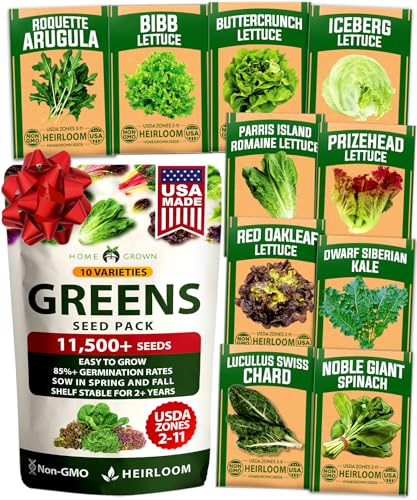
COMPLETE VARIETY PACK: Ten popular lettuce and leafy green varieties; Romaine lettuce seeds, Buttercrunch, Iceberg, Bibb, Red Oakleaf, Prizehead, Kale, Spinach and more; Perfect for organic salad gardens; High 95% germination rate

10 LETTUCE VARIETIES – Lettuce (Lactuca sativa) varieties for your garden, including Buttercrunch, Green Salad Bowl, Iceberg, Lolla Rossa, Oakleaf, Parris Island Romaine, All the Year Round, Black Seeded Simpson, Red Romaine, and Red Salad Bowl
Ideal Planting Time
Lettuce thrives in cool weather. Plant seeds in early spring or late summer for best results. In warmer climates, you can plant lettuce as early as February. For a continuous harvest, stagger sowing every two weeks until the weather warms. If temperatures rise above 75°F, lettuce may bolt, making it bitter.
- Prepare the Soil: Ensure the soil is loose and well-draining. Mix in compost or organic matter to enrich it. Aim for a pH level between 6.0 and 6.8 for optimal growth.
- Choose Seed Depth: Plant seeds about ¼ to ½ inch deep. Spacing matters; place seeds 1 inch apart for leaf varieties and 2 to 3 inches for head and romaine types.
- Water Gently: After sowing, lightly water the area to settle the soil. Avoid flooding the seeds. Keep the soil consistently moist until they germinate.
- Thin Seedlings: Once seedlings reach about 2 inches tall, thin them out. Leave the strongest plants and remove others to provide adequate space for growth.
- Use Row Covers: Consider using row covers to protect seedlings from pests and sudden cold snaps. This keeps the air around them warm and encourages faster growth.
Caring for Your Lettuce
Caring for your lettuce ensures healthy growth and a bountiful harvest. Focus on watering, pest control, and providing the right nutrients to support your plants.
Recommended Products

Ultra-Fine Mesh Netting: Large Size 2pack 10x33 Feet provide more security, Ultra Fine Garden Netting has a 0.04in ultra-fine mesh, It also allows sunlight | artificial light as well as air and rain to pass through. Light material, no burden for plant buds. Provide healthy growth environment for plants. Tip:(Not two packages, it's one package with two 10*33FT garden nets inside)


Protection Function: The raised garden bed plant protectors quickly create a closed space that protects the plants from insects, birds and animals, while also allowing sunlight air and moisture to enter, and providing a healthy environment for plant growth.
Watering Guidelines
Water your lettuce deeply, ensuring 1 to 1.5 inches of moisture per week. Use a drip irrigation system or soaker hoses to deliver slow, consistent moisture. When the top inch of soil feels dry, give your plants a drink. Avoid overhead watering to reduce the risk of fungal diseases. In hot weather, daily watering might be necessary, particularly for seedlings and young plants.
Pest Control
Monitor your lettuce for common pests like aphids, slugs, and caterpillars. Inspect your plants regularly for signs of damage. For aphids, spray a strong jet of water to dislodge them. For slugs, set up beer traps or use diatomaceous earth around the base. Handpicking pests also helps reduce their numbers. Employ row covers early in the season to protect young plants from pest attacks while allowing sunlight to penetrate. Keeping your garden clean and free of debris minimizes hiding spots for pests.
Harvesting Lettuce
Harvesting your lettuce at the right time ensures you’ll enjoy fresh, crisp greens. Understanding when and how to pick your lettuce can maximize your garden’s yield.
Signs of Readiness
Check for size and texture to determine harvest readiness. Leaf lettuce varieties, like Looseleaf and Butterhead, are ready when leaves reach 4 to 6 inches in length. The leaves look tender and vibrant. For head lettuce, such as Iceberg, harvest when the head feels firm, typically around the size of a softball. Romaine is ready once the leaves stand tall and the head feels solid.
Signs of ready lettuce include:
- Color: Rich green indicates health.
- Size: Leaves should be large but not overgrown.
- Firmness: Heads must feel dense and compact.
Harvesting Techniques
Use proper techniques to ensure clean cutting and healthy regrowth. For leaf lettuce, gently twist or cut the outer leaves at the base, avoiding damage to the center. This method allows for continuous harvesting throughout the growing season.
For head lettuce, employ a sharp knife to cut the head at the base. Ensure you cleanly sever the stem to prevent rot. Harvest in the morning for the best flavor. Aim to pick on dry days to avoid excess moisture, which can promote spoilage.
Tips for harvesting:
- Clean hands: Wash hands before handling to prevent contamination.
- Containers: Use breathable containers for transporting lettuce to prevent wilting.
- Refrigerate: Store harvested lettuce in the fridge as soon as possible to maintain freshness.
By paying attention to signs of readiness and employing effective harvesting techniques, you’ll ensure a plentiful supply of your homegrown lettuce.
Conclusion
Growing your own lettuce can be a rewarding experience that adds freshness to your meals. With a little patience and care you’ll soon be enjoying crisp greens right from your garden. Remember to choose the right variety for your taste and climate and prepare your soil well for optimal growth.
Keep an eye on your plants and don’t hesitate to adjust your watering and care as needed. When it’s time to harvest enjoy the fruits of your labor and savor the satisfaction of homegrown produce. Happy gardening and here’s to a bountiful lettuce harvest!
Frequently Asked Questions
How easy is it to grow lettuce at home?
Growing lettuce at home is quite simple. With the right preparation and care, you can enjoy harvesting fresh greens. The article provides clear steps to plant and maintain lettuce, making it accessible even for beginners.
What types of lettuce can I grow?
You can grow several types of lettuce, including leaf lettuce (e.g., Butterhead, Looseleaf), head lettuce (e.g., Iceberg, Butterhead), and Romaine. Each variety offers unique flavors and can be harvested differently, depending on your preference.
When is the best time to plant lettuce seeds?
The best time to plant lettuce seeds is early spring or late summer. For continuous harvest, stagger your sowing every two weeks. This timing allows for optimal growth and yields throughout the growing season.
What should I do to prepare my garden for lettuce?
Choose a sunny location with 6 to 8 hours of sunlight daily. Ensure good air circulation and well-draining, loose soil rich in organic matter. Avoid areas with standing water to prevent plant rot.
How much water does lettuce need?
Lettuce requires about 1 to 1.5 inches of moisture weekly. Use a drip irrigation system or soaker hoses for optimal watering. Frequent watering is especially important for seedlings and during hot weather, but avoid overhead watering.
How can I protect my lettuce from pests?
Monitor your garden for common pests like aphids and slugs. Employ strategies such as using strong water jets, beer traps, and row covers to keep pests away. A clean garden helps minimize hiding spots for pests.
When is the best time to harvest lettuce?
Harvest lettuce when it reaches the right size, color, and firmness. Specific signs vary by type, but generally, you want to cut leaf lettuce before it bolts. Proper harvesting techniques ensure healthy regrowth.
How should I store harvested lettuce?
To store harvested lettuce, rinse it gently and dry it thoroughly. Use a clean container or bag that allows some air circulation. Store it in the refrigerator’s crisper drawer for optimal freshness and crispness.
