

Ever wondered why your romaine lettuce isn’t thriving like you hoped? You’re not alone. Many gardeners face the challenge of keeping this leafy green healthy and vibrant. Whether you’re growing it in your backyard or on your kitchen windowsill, it can be frustrating to see your plants struggle.
Key Takeaways
- Nutritional Benefits: Romaine lettuce is nutrient-dense, providing vitamins A, C, K, fiber, and antioxidants, promoting overall health and wellness.
- Optimal Growth Conditions: For healthy romaine lettuce, ensure well-draining soil, a pH level between 6.0 and 7.0, and maintain temperatures between 60°F and 70°F.
- Watering and Fertilization: Water consistently, checking soil moisture, and use balanced fertilizers to support growth, applying them about 2 to 4 weeks after planting.
- Pest and Disease Management: Regularly inspect for common pests like aphids and cabbage loopers, and practice prevention through crop rotation and maintaining garden hygiene.
- Sustainability and Savings: Growing your own romaine lettuce reduces grocery costs and environmental impact due to less packaging, providing fresher vegetables directly from your garden.
- Rewarding Experience: Cultivating romaine lettuce fosters a sense of accomplishment and enhances gardening skills, making it a fulfilling addition to any home garden.
Importance Of Growing Romaine Lettuce
Growing romaine lettuce offers several benefits for both your health and gardening experience. This leafy green is packed with essential nutrients, including vitamins A, C, and K, plus fiber and antioxidants. Incorporating romaine lettuce into your diet promotes better digestion and supports overall wellness.
Romaine lettuce thrives in diverse environments, making it an excellent choice for both outdoor and indoor gardening. Whether you opt for a backyard garden or use containers on a windowsill, you can successfully grow romaine lettuce nearly anywhere.
Romaine lettuce also matures quickly, usually ready for harvest within 70 to 75 days. This rapid growth means you can enjoy fresh, homegrown produce in a short time. Plus, growing your own lettuce reduces grocery costs, as you can harvest multiple heads and save money over time.
Another key reason to grow romaine lettuce involves environmental impact. Homegrown lettuce requires fewer resources and generates less waste than store-bought options, which often come with extensive packaging. By growing your own, you help reduce your carbon footprint while enjoying fresher, tastier greens.
Finally, cultivating romaine lettuce provides a rewarding gardening experience. Watching your plants thrive and enjoying the fruits of your labor fosters a sense of accomplishment, enhancing your gardening skills along the way.
Growing romaine lettuce promotes health, economic benefits, environmental sustainability, and personal fulfillment. These factors make it a worthwhile addition to your home gardening efforts.
Ideal Growing Conditions
Romaine lettuce thrives when you provide it with the right growing conditions. Fulfilling specific requirements helps ensure healthy, robust plants.
Recommended Products
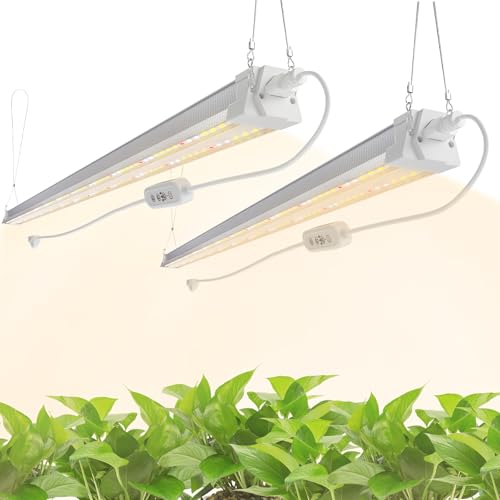
3 Timing Modes: The grow lights for indoor plants feature 3 convenient timing options (9H, 12H, 15H), effortlessly set your preferred schedule with a single click of an online timer switch. Enjoy automatic illumination tailored to your plants' needs, helping save your electricity bills while ensuring lush, thriving plants even when you're away on business or vacation

【Full Spectrum】Same as natural sunlight. It has been proven to promote photosynthesis and indoor plant growth, so you don't have to worry that houseplants can't grow healthily without sunlight.

Full-Spectrum LED Power: Mimics natural sunlight to support strong, steady growth for herbs, greens, and edible flowers.
Soil Requirements
Soil needs to be well-draining and rich in organic matter. Aim for a pH level between 6.0 and 7.0. You can achieve this by mixing compost or well-rotted manure into your soil. Use soil that retains moisture but doesn’t become soggy. Adding mulch can also help conserve moisture and suppress weeds.
Temperature and Light Needs
Romaine lettuce prefers cooler temperatures, ideally between 60°F and 70°F. If temperatures exceed 75°F, consider providing shade during the hottest part of the day. Sunlight plays a crucial role in growth; provide at least 6 to 8 hours of direct sunlight daily. In low-light conditions, consider using grow lights if growing indoors, ensuring the light is set 12 inches above the plants for optimal growth.
Tips For Maintaining Healthy Romaine Lettuce
Maintaining healthy romaine lettuce requires attention to watering and fertilization practices. Follow these tips for optimal growth.
Watering Techniques
Water romaine lettuce consistently for strong growth.
- Water thoroughly, ensuring the soil is moist, but avoid waterlogging.
- Check the top inch of soil; if it’s dry, it’s time to water.
- Use drip irrigation or soaker hoses to deliver water directly to the roots, reducing leaf wetness and minimizing disease risk.
- Water early in the morning for best results, allowing leaves to dry before evening.
Fertilization Methods
Feed romaine lettuce correctly to promote healthy growth.
- Choose a balanced fertilizer with equal parts nitrogen, phosphorus, and potassium, such as a 10-10-10 or 5-10-10 ratio.
- Apply fertilizer 2 to 4 weeks after planting. Use granular types at the base of the plant or liquid types every 2 to 3 weeks.
- Consider using organic options like compost or worm castings, which improve soil structure and offer slow-release nutrients.
- Monitor plant health; if leaves appear yellow or growth stalls, reassess your fertilization schedule and adjust accordingly.
Common Pests and Diseases
Romaine lettuce can face various pests and diseases. Identifying issues early and taking preventive action keeps your plants healthy.
Recommended Products


ADVANCED FORMULA: Emulsifiers built into the formula so you just add water. 100% pure oils require an emulsifier to allow oil and water to mix. Nature's IQ has this already built in so you just add water.

For use on ALL fruits, nuts, vegetables, herbs, & ornamentals
Identification and Prevention
- Aphids: Small, pear-shaped insects that cluster on leaves. Check for sticky residue or curled leaves.
- Cabbage Loopers: Green caterpillars that chew holes in leaves. Look for signs of leaf damage and droppings.
- Downy Mildew: Fuzzy gray or white spots on leaves, often with yellowing. This disease thrives in humid conditions.
- Powdery Mildew: White powdery spots appear on leaf surfaces. This fungus spreads in warm, dry environments.
To prevent these issues, practice crop rotation and maintain garden hygiene. Remove debris and weeds, avoiding stagnant water that promotes pests and diseases. Encourage natural predators like ladybugs and lacewings.
- Insecticidal Soap: Use a diluted solution to target aphids and other soft-bodied insects. Spray directly on affected areas.
- Neem Oil: Treat pests and fungal infections with this natural pesticide. Apply every 7-14 days for effectiveness.
- Row Covers: Protect lettuce from pests during the growing season. Use lightweight fabric to create barriers without blocking light.
- Proper Watering: Water at the soil level to avoid wetting leaves. This reduces the risk of both downy and powdery mildew.
Act swiftly upon identifying issues. Early intervention minimizes damage and ensures a healthy harvest of romaine lettuce.
Conclusion
Growing romaine lettuce can be a fun and fulfilling experience. With the right conditions and care you can enjoy fresh greens right from your garden or windowsill. Remember to keep an eye on the watering and light needs while staying vigilant against pests and diseases.
The rewards of homegrown romaine extend beyond just saving money at the grocery store. You’ll get to enjoy the satisfaction of nurturing your plants and knowing exactly what goes into your food. So grab those seeds and start your journey toward a thriving romaine lettuce garden. Happy gardening!
Frequently Asked Questions
What are the benefits of growing romaine lettuce?
Growing romaine lettuce provides numerous health benefits, including high levels of vitamins A, C, and K, fiber, and antioxidants. Additionally, cultivating your own lettuce can save money, encourage healthier eating, and reduce environmental impact by using fewer resources than store-bought options.
What are the ideal growing conditions for romaine lettuce?
Romaine lettuce thrives in well-draining soil rich in organic matter with a pH of 6.0 to 7.0. It prefers cooler temperatures between 60°F to 70°F and needs at least 6 to 8 hours of direct sunlight each day. Indoor growers may consider using grow lights in low-light conditions.
How often should I water romaine lettuce?
Consistent watering is essential for healthy romaine lettuce growth. Water thoroughly, ensuring the soil is moist but not waterlogged. Using drip irrigation or soaker hoses can help minimize disease risk and maintain moisture without overwhelming the plants.
What pests and diseases affect romaine lettuce?
Common pests include aphids and cabbage loopers, while diseases such as downy mildew and powdery mildew can also impact growth. Early identification and preventive measures are crucial to keeping plants healthy, including practicing good garden hygiene and crop rotation.
How can I prevent diseases in romaine lettuce?
To prevent diseases, maintain good garden hygiene, practice crop rotation, and encourage natural predators. Consider protective measures like row covers and proper watering techniques. If needed, use treatments such as insecticidal soap or neem oil to manage infestations and diseases effectively.
