

Have you ever found your beautiful lettuce plants covered in tiny pests? It’s frustrating to put in all that effort only to see your hard work threatened by unwanted visitors. You’re not alone—many gardeners face this challenge, especially when it comes to growing lettuce.
Key Takeaways
- Identify Common Lettuce Pests: Recognize key pests like aphids, caterpillars, and slugs to effectively manage and prevent their damage.
- Implement Prevention Strategies: Use pest-resistant lettuce varieties, proper planting techniques, and companion planting to minimize pest infestations.
- Utilize Natural Pest Control Methods: Employ organic insecticides, homemade sprays, and physical barriers like row covers and copper tape to protect your crops.
- Practice Regular Monitoring: Frequently check your plants for signs of pest activity to ensure early detection and quick intervention.
- Maintain Clean Tools and Soil Health: Clean gardening tools to prevent pest spread and enhance soil health with organic matter to promote robust lettuce growth.
- Adopt Best Management Practices: Follow integrated pest management practices to create a healthy environment for your lettuce while effectively reducing pest issues.
Understanding Common Lettuce Pests
Lettuce is vulnerable to several pests that can damage your crops. Recognizing these pests helps you take preventive measures. Below are descriptions of the most common pests affecting lettuce.
Aphids
Aphids are small, soft-bodied insects that cluster on the undersides of leaves. They feed on plant sap, which can weaken the plant and lead to yellowing leaves. Look for sticky residue, also known as honeydew; this indicates their presence. Control methods include:
- Spraying water: A strong jet of water dislodges aphids.
- Neem oil: This natural pesticide disrupts their life cycle.
- Encouraging beneficial insects: Ladybugs and lacewings prey on aphids.
Caterpillars
Caterpillars, such as armyworms and cutworms, pose a significant threat. They chew through leaves, creating holes and damaging the plant. Signs of infestation include missing leaf sections and droppings on the ground. To manage caterpillars:
- Handpicking: Regularly check plants and remove any visible caterpillars.
- Diatomaceous earth: Sprinkle this powder on leaves to deter and harm them.
- Row covers: Use lightweight fabric to physically block these pests from reaching your lettuce.
Slugs and Snails
Slugs and snails are nocturnal pests that feed on lettuce at night, leaving behind irregular holes. Look for slime trails as an indication of their activity. Effective strategies for control include:
- Beer traps: Bury containers filled with beer in the ground. Slugs are attracted, fall in, and drown.
- Copper barriers: Place copper tape around your lettuce beds. The metal reacts with their slime, deterring them.
- Mulching: Use rough materials like shards of eggshell or gravel to create an inhospitable environment.
By identifying and managing these pests, you can protect your lettuce and enjoy a bountiful harvest.
Prevention Strategies
Implementing effective prevention strategies helps keep pests off your lettuce. Consider the following approaches for optimal results.
Recommended Products

Exceptional Germination Rates - Achieve a lush garden effortlessly with our Butter Crunch Lettuce seeds, boasting high germination rate. Ideal for both beginners and experienced gardeners, ensuring a successful harvest every time.

USDA Certified Organic by Oregon Tilth

Black Seeded Simpson is a classic heirloom loose leaf lettuce with large, tender green leaves and a mild, sweet flavor. Harvest fresh leaves for salads, sandwiches, wraps, and other homegrown meals.
Selecting Pest-Resistant Varieties
Choosing pest-resistant varieties of lettuce can save time and effort. Look for strains like Butterhead or Romaine, known for their natural resistance to common pests. Check local gardening centers for varieties recommended for your region. Experimenting with different types may yield better protection.
Proper Planting Techniques
Utilizing proper planting techniques boosts your lettuce’s chances against pests. Space your plants adequately to ensure good airflow, reducing humidity that attracts pests. Apply mulch around the base of your lettuce to deter pests while keeping moisture in the soil. Timing your planting can also help — planting after peak pest seasons minimizes the risk of infestations.
Companion Planting
Incorporating companion planting enhances pest control. Certain plants repel pests that target lettuce. For example, planting marigolds or nasturtiums nearby effectively deters aphids and caterpillars. Herbs like basil and dill can attract beneficial insects that keep pest populations under control. Strategically place these companions alongside your lettuce for maximum benefit.
Natural Pest Control Methods
You can keep pests off your lettuce using various natural methods that are effective and environmentally friendly. Here are some techniques to consider.
Recommended Products

FUNGAL DISEASE CONTROL: Prevents and controls black spot on roses, powdery mildew, rust, downy mildew, and other listed fungal diseases when applied on a 7–14 day schedule

Protect your oasis with Captain Jack’s Neem Max Ready-to-Use Spray; this multipurpose product acts as a 4-in-1 insecticide, fungicide, miticide and nematicide

FOR ORGANIC GARDENING - Captain Jack's NeemMax is a perfect pest control solution for any garden dealing with mites, flies, mildew, and more. This product is a four-in-one insecticide, fungicide, miticide, and nematicide.
Organic Insecticides
Organic insecticides provide an excellent alternative to chemical treatments. Products containing neem oil or insecticidal soap can deter aphids and caterpillars effectively. Look for certified organic options when purchasing. Apply these insecticides during the early morning or late evening to minimize harm to beneficial insects.
Homemade Sprays
Creating homemade sprays gives you control over your pest management. Combine a few simple ingredients for reliable repellents:
- Soap Spray: Mix 1-2 tablespoons of liquid dish soap with a gallon of water. Spray directly on pests like aphids.
- Pepper Spray: Blend 2 teaspoons of cayenne pepper with 1 quart of water and a few drops of soap. This concoction can repel a variety of pests.
- Garlic Spray: Blend several cloves of garlic with water, strain, and spray on plants. The strong odor discourages many common pests.
Apply these sprays weekly or after rain, targeting both the upper and lower surfaces of leaves.
Physical Barriers
Using physical barriers offers another effective method to protect your lettuce crop. Here are some options:
- Row Covers: Lightweight fabric covers shield plants while allowing sunlight and moisture in. They prevent insects from reaching your lettuce.
- Copper Barriers: Placing copper tape around garden beds deters slugs, as they react negatively to copper.
- Netting: Installing mesh or netting protects crops from larger pests, such as birds. Ensure it’s properly secured to prevent any entries.
By implementing these methods, you can create a healthy environment for your lettuce and minimize pest issues naturally.
Best Practices for Pest Management
Implementing effective pest management strategies ensures your lettuce remains healthy and thriving. Focus on a few key practices that can significantly reduce pest issues.
Recommended Products

[Catches Gnats, Fruit Flies, Whiteflies And More] Yellow sticky traps with top-grade adhesive grab fungus gnats, aphids, fruit flies, thrips, and whiteflies on contact from both faces. Place each card at soil level near drainage holes for fastest results. Works for indoor plants and outdoor gardens.
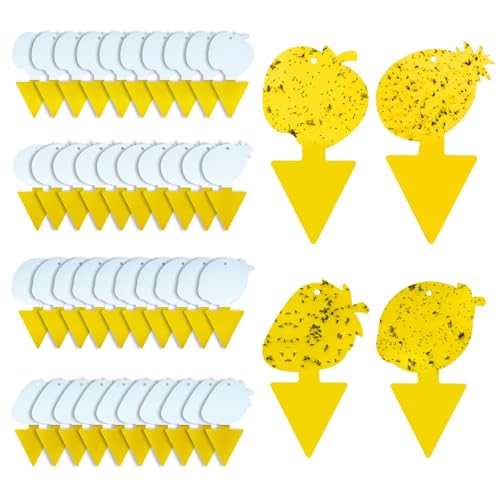
Powerful Insect Control: Captures fruit flies, gnats, whiteflies, aphids, midges, and other small flying pests using bright yellow color and extra-sticky glue

【Non-toxic and Odorless】Our double-sided sticky sheets are made of environmentally friendly materials and coated with a safe, odorless, non-toxic adhesive that does not contain any chemicals, which is not only harmless to humans and pets, but also effectively controls pests and breaks their breeding cycle.
Regular Monitoring
Monitor your lettuce plants frequently. Check for signs of pests like wilting leaves or unusual markings. Look underneath leaves, where pests often hide. Spend a few minutes each week inspecting your crop. Early detection allows for quick intervention, minimizing damage.
Clean Gardening Tools
Keep your gardening tools clean. Wash tools after each use to remove soil, organic matter, and any potential pests. Sanitize pruners, trowels, and other equipment with a mixture of water and bleach. Regular cleaning prevents the spread of pests from one plant to another.
Maintaining Soil Health
Maintain healthy soil to foster vigorous plant growth. Healthy plants are less susceptible to pests. Incorporate organic matter like compost. These amendments improve soil structure, boosting nutrient availability. Rotate crops to disrupt pest life cycles and reduce infestations. Consider adding beneficial nematodes, which naturally control soil-dwelling pests.
By following these best practices, you can create an environment that deters pests while promoting healthy lettuce growth.
Conclusion
Keeping pests off your lettuce doesn’t have to be a daunting task. With a mix of prevention strategies and natural control methods you can create a thriving environment for your plants. By choosing pest-resistant varieties and practicing good gardening techniques you’ll minimize the risk of infestations.
Regularly monitoring your crops and staying proactive will help you catch any issues before they escalate. Remember to embrace companion planting and use organic solutions to protect your lettuce while being kind to the environment.
With a little effort and care you can enjoy a healthy and bountiful harvest of delicious lettuce. Happy gardening!
Frequently Asked Questions
What are the common pests that affect lettuce plants?
Common pests that invade lettuce include aphids, caterpillars, slugs, and snails. Each of these pests can cause significant damage, such as wilting leaves and stunted growth, making it crucial for gardeners to identify and manage them promptly.
How can I control aphids on my lettuce?
To control aphids, consider spraying your lettuce plants with water to dislodge them. Using neem oil or encouraging beneficial insects like ladybugs can also help effectively manage aphid populations.
What methods can I use to manage caterpillars?
Caterpillar management can be achieved through handpicking, applying diatomaceous earth, and using row covers to physically block them. Regular inspections will also help catch infestations early.
How do I deal with slugs and snails on my lettuce?
To control slugs and snails, set up beer traps, use copper barriers around your plants, and apply mulch. These methods create obstacles that deter these pests from reaching your crops.
What are some prevention strategies for keeping pests off lettuce?
Select pest-resistant varieties like Butterhead or Romaine, properly space your plants for airflow, and time your plantings to avoid peak pest seasons to prevent infestations effectively.
Can companion planting help deter pests?
Yes, certain companion plants, such as marigolds and various herbs, can repel pests and attract beneficial insects. Incorporating these into your garden can enhance pest control and promote healthy growth.
What are some natural pest control methods for lettuce?
Effective natural pest control methods include using organic insecticides like neem oil, applying homemade sprays (like soap and garlic solutions), and installing physical barriers such as row covers and netting to protect your plants.
How can I monitor my lettuce for pest problems?
Regularly check your lettuce plants for signs of pests, like wilting leaves or unusual markings. Early detection allows for quick intervention, preventing more severe damage.
What best practices should I follow for healthy lettuce growth?
Maintain clean gardening tools, keep your soil healthy with organic matter, and practice crop rotation. These measures create a supportive environment that deters pests and encourages thriving lettuce plants.
