

Have you ever opened your fridge only to find wilted lettuce leaves staring back at you? It’s frustrating when you buy fresh greens, only to watch them spoil in just a few days. Keeping lettuce crisp and vibrant can feel like a challenge, but it doesn’t have to be.
Key Takeaways
- Understand Lettuce Varieties: Different types of lettuce like Romaine, Iceberg, Butterhead, and Leaf Lettuce require specific storage methods to maintain their freshness and texture.
- Nutritional Benefits: Fresh lettuce is low in calories, hydrating, rich in vitamins A and K, and provides dietary fiber, contributing to a healthy diet.
- Optimal Storage Practices: Refrigerate lettuce immediately and store it in a dry produce bag or wrapped in a paper towel to control moisture levels and prevent wilting.
- Temperature and Humidity Control: Keep your fridge set between 32°F and 36°F and use the crisper drawer for ideal humidity, enhancing crispness and freshness.
- Preparation Matters: Wash and dry lettuce thoroughly before storage, using proper packaging methods to avoid bruising and excess moisture.
- Extend Freshness: Utilize paper towels for moisture absorption, store different lettuce types separately, and consider flavor preservation techniques to keep your greens crisp longer.
Understanding Lettuce Varieties
Different lettuce varieties possess unique textures and flavors, influencing how you store them to maintain freshness. Knowing these types helps you choose the right storage method.
Common Types of Lettuce
- Romaine: Crisp and sturdy, Romaine stays fresh longer than other types. It works well in salads due to its crunch.
- Iceberg: Known for its crunchy texture, Iceberg has a high water content, making it refreshing but less flavorful. It can wilt quickly if not stored properly.
- Butterhead: Soft and tender leaves characterize Butterhead lettuce. It’s delicate and requires careful storage to avoid bruising.
- Leaf Lettuce: Loose, tender leaves define this variety. Leaf lettuce includes red and green types, which can spoil rapidly if exposed to excess moisture.
Nutritional Benefits of Fresh Lettuce
Fresh lettuce offers numerous health advantages, contributing to a balanced diet.
- Low in Calories: With about 5 calories per cup, lettuce provides a filling option without adding extra calories.
- Rich in Vitamins: Lettuce is high in vitamins A and K, essential for eye health and blood clotting.
- Hydration Source: Its high water content helps keep you hydrated, especially during warmer months.
- Fiber Content: Lettuce contains dietary fiber, supporting digestion and promoting gut health.
Incorporating various lettuce types into your meals adds crunch, flavor, and nutritional benefits.
Best Storage Practices
To keep lettuce leaves fresh, implementing proper storage techniques makes a significant difference. Following these steps helps maintain your greens’ crispness and flavor.
Refrigeration Techniques
Store lettuce in the fridge immediately after purchase. Place unwashed lettuce in a clean, dry produce bag or wrap it loosely in a paper towel to absorb excess moisture. Avoid tightly sealing the bag, as air circulation prevents wilting. For varieties like Romaine or Iceberg, you can use a salad spinner to remove excess water before bagging. Make sure to check the leaves regularly for any signs of spoilage and remove any damaged or discolored leaves promptly.
Ideal Temperature and Humidity Levels
Maintaining the right temperature and humidity levels is essential. Set your fridge temperature between 32°F and 36°F (0°C to 2°C). Higher temperatures can cause lettuce to wilt, whereas colder temperatures may freeze it. Use the crisper drawer, which often has higher humidity levels, to store your lettuce. Adding a paper towel in the drawer can help absorb excess moisture, preventing mold growth and maintaining freshness.
By employing these best storage practices, you can enjoy vibrant and crisp lettuce for an extended period.
Preparing Lettuce for Storage
Keeping lettuce fresh begins with proper preparation. Follow these steps to maintain the quality of your greens.
Recommended Products

Maximum Lettuce-Drying, Minimum Effort: Use the OXO Salad Spinner's one-handed pump to thoroughly dry greens, beans, even use it as a fruit washer. The salad spinners best rated always include a superior rinse, spin, and dry like ours

One-Touch OXO Salad Spinner: Did you know that OXO invented the one-touch salad spinner? Its one-handed pump gives you maximum drying of lettuce with minimum effort
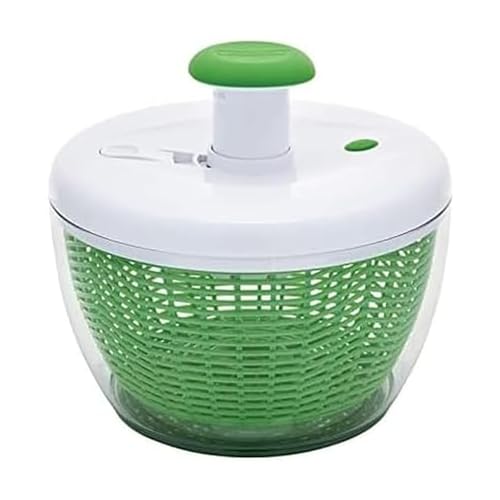
HEALTHY MADE EASY: Our Pro Pump Salad Spinner makes it so easy to prepare nutritious foods every night of the week. This device helps you to clean and serve salad greens and other produce, including fruits and even berries, in seconds!
Washing and Drying Tips
Washing lettuce removes dirt and potential contaminants. Start by filling a clean sink or a large bowl with cold water. Submerge the leaves and gently swish them around. This method helps dislodge any debris. After washing, drain the water and pat the leaves dry using a clean kitchen towel or a salad spinner. Drying thoroughly prevents excess moisture from causing spoilage, so aim for completely dry leaves before storage.
Proper Packaging Methods
Packaging plays a critical role in preserving freshness. Use a clean, dry produce bag for storage. If you don’t have one, wrap the leaves loosely in a paper towel, then place them in a container with a lid. The towel absorbs moisture and promotes airflow. Avoid crushing the leaves during packaging, as this can lead to bruising and faster spoilage. Store the packed lettuce in the crisper drawer of your refrigerator for optimal conditions.
Tips for Extending Freshness
Maintaining the crispness of lettuce leaves enhances your meals and minimizes waste. Here are effective strategies to keep your lettuce fresh for longer.
Recommended Products

【8 Pack Fruit Storage Set】 Fruit storage containers for fridge includes include 8 pack of large size 3.3QT (3.15L) * 2 + medium size 1.8QT(1.7L) * 2 +small size 0.85QT(0.8L) * 2+ mini size 0.4QT(0.38L) * 2. Various capacities perfect for most fruit, vegetable, lettuce, berry, cereal, meat, produce and other food storage

【6 Different Size for All Your Needs】 Upgrade fruit containers for fridge set include 6 pack of Jumbo size 210 OZ (6.2L) + X-Large size 140 OZ(4.15L) + large size 106 OZ (3.15L) + medium size 57 OZ(1.7L) +small size 27 OZ(0.8L) + mini size 13 OZ(0.38L). Various capacities can perfectly fit for most fruits, veggies produce and other food saver
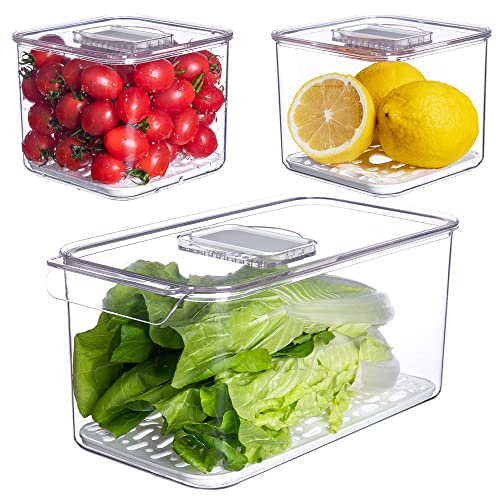
【Keep Fruits & Vegetables Fresh】These storage containers come with lids featuring adjustable vents that regulate airflow and humidity, helping to keep fruits and vegetables fresh in the refrigerator for up to 1–2 weeks.
Using Paper Towels
Using paper towels aids in moisture control. After washing lettuce, dry the leaves thoroughly. Place them in a clean produce bag lined with a paper towel. The towel absorbs excess moisture, preventing wilting and mold growth. Check the paper towel periodically, replacing it if it becomes damp.
Flavor Preservation Techniques
Flavor preservation techniques ensure your lettuce stays crisp and delicious. Store different types of lettuce separately to avoid flavor transfer. For example, keep Romaine and Leaf Lettuce apart. Consider wrapping the leaves in a damp paper towel before placing them in an airtight container, enhancing freshness without compromising flavor. For extended storage, consider adding an ethylene gas absorber for optimal freshness duration. This helps maintain a stable atmosphere inside the container, further delaying spoilage.
By implementing these tips, you’ll enjoy crunchy, flavorful lettuce that elevates any dish.
Conclusion
Keeping your lettuce fresh doesn’t have to be a challenge. By following the right storage and preparation techniques you can enjoy crisp and vibrant greens for longer. Remember to wash and dry your leaves thoroughly and store them in a way that minimizes moisture.
Regularly checking for spoilage and using paper towels can make a big difference too. With a little care your lettuce can stay fresh and tasty enhancing all your meals. So go ahead and enjoy that nutritious crunch in your salads and sandwiches without the worry of waste. Happy eating!
Frequently Asked Questions
What causes lettuce to wilt quickly in the fridge?
Lettuce wilts due to moisture loss and improper storage. If the lettuce is not refrigerated right after purchase or stored in a damp environment, it can lose its crisp texture and freshness.
How should I store lettuce to keep it fresh?
Store lettuce in the fridge immediately after purchase. Use a clean, dry produce bag or wrap it loosely in a paper towel for moisture absorption and air circulation.
What are the best storage conditions for lettuce?
Lettuce thrives between 32°F and 36°F. Place it in the crisper drawer of your fridge, utilizing a paper towel to absorb excess moisture and prevent mold.
Should I wash lettuce before storing it?
Yes, wash lettuce under cold water to remove dirt and contaminants, then dry thoroughly. This helps prevent spoilage and maintains freshness before storage.
Can I store different types of lettuce together?
It’s best to store different types of lettuce separately to avoid flavor transfer and maintain their distinctive textures and tastes.
How can I extend the freshness of my lettuce?
Use paper towels to manage moisture by lining a produce bag with one and placing washed, dried leaves inside. Airtight containers with damp paper towels also help prolong freshness.
What role does lettuce play in nutrition?
Lettuce is low in calories and rich in vitamins A and K, fiber, and hydration properties, making it a nutritious addition to any balanced diet.
How often should I check my lettuce for spoilage?
Check your lettuce at least once a week. Remove any damaged leaves immediately to prevent the spread of spoilage to healthy leaves.
