

Ever opened your fridge to find wilted lettuce instead of the fresh greens you were hoping for? You’re not alone. Many of us have faced the disappointment of soggy salad ingredients, making meal prep feel like a chore.
Key Takeaways
- Understand Lettuce Varieties: Different types of lettuce like romaine, butterhead, iceberg, and leaf lettuce have unique characteristics and shelf lives, affecting their crispness and longevity.
- Control Moisture and Temperature: Keep lettuce dry and store it between 32°F and 36°F to prevent wilting and sogginess.
- Avoid Ethylene Gas: Store lettuce away from ethylene-producing fruits, such as apples, to slow down spoilage.
- Employ Proper Washing and Drying Techniques: Rinse lettuce under cold water, dry thoroughly using a salad spinner or kitchen towel, and use breathable containers for storage.
- Adopt Best Storage Practices: Refrigerate unwashed whole heads and utilize perforated produce bags or wrap lettuce in damp paper towels to balance moisture.
- Serve at Optimal Temperature: Serve lettuce chilled (36°F to 40°F) and apply dressing just before serving to maintain freshness and prevent wilting.
Understanding Lettuce Freshness
Keeping lettuce crisp requires understanding its freshness. Various factors impact the longevity and crispness of your greens. Here’s a deeper look into types of lettuce and factors affecting their crispness.
Types of Lettuce
Different lettuce varieties have unique characteristics and shelf lives.
- Romaine: Known for its sturdy leaves and crunchy texture, romaine stays fresh longer than softer varieties.
- Butterhead: This type is tender and sweet but wilts faster; store it properly to maintain crispness.
- Iceberg: Thick and crunchy, iceberg lettuce can retain freshness for an extended period when stored correctly.
- Leaf Lettuce: Includes red and green leaf varieties, these are delicate and can wilt easily without proper care.
Factors Affecting Crispness
Several factors influence how long your lettuce stays crisp.
- Moisture Levels: Excess moisture can lead to sogginess. Keep lettuce dry before storing.
- Temperature: Ideal storage temperature is between 32°F and 36°F. Warmer temperatures accelerate wilting.
- Ethylene Gas: Some fruits, like apples, emit ethylene gas, which can cause lettuce to spoil faster. Store lettuce away from such fruits.
- Storage Method: Using breathable containers or wrapping lettuce in a damp paper towel helps maintain humidity without causing rot.
By considering these factors and types, you can ensure your lettuce remains crisp for your salads.
Prepping Lettuce for Storage
Prepping lettuce properly ensures maximum crispness when ready for salads. Focus on washing, drying, and cutting techniques to enhance freshness.
Recommended Products

One-Touch OXO Salad Spinner: Did you know that OXO invented the one-touch salad spinner? Its one-handed pump gives you maximum drying of lettuce with minimum effort

COMPACT SALAD SPINNER, BIG PERFORMANCE — Small salad spinner packs full-size drying power in a space-saving design. One-hand pump spins lettuce, herbs & greens dry in seconds. Best rated by thousands. Perfect for apartments, couples & small kitchens.

LARGE PREMIUM STAINLESS STEEL BOWL: The salad spinner features a large, practical 5.3 quart 304 stainless steel bowl, ensures durability and a sleek appearance.
Washing and Drying
Washing lettuce removes dirt and pesticides. Start by rinsing leaves under cold water. Use your hands to gently rub the surfaces. After rinsing, use a salad spinner or clean kitchen towel to remove excess moisture. Excess water promotes wilting, so ensure the leaves are dry before storage. For storage, consider using a breathable container. You can place a paper towel in the container to absorb any remaining moisture.
Proper Cutting Techniques
Cutting lettuce affects its freshness. Use a sharp knife to slice through loose-leaf lettuces like romaine. For crisp varieties like iceberg, cut gently to avoid bruising. Avoid tearing the leaves, as jagged edges may lead to quicker spoilage. After cutting, store immediately. Use airtight containers to minimize air exposure. Always keep lettuce whole until you’re ready to prepare your salad, ensuring every leaf stays as crisp as possible.
Best Storage Practices
Keeping lettuce crisp requires proper storage techniques. Following these best practices ensures maximum freshness for your salads.
Recommended Products

Keep your produce fresh for longer: The PrepSolutions Lettuce Keeper keeps your produce fresh with an adjustable air vent and water reservoir, creating the ideal environment for fresh fruits and vegetables. Item measures 12.5" W x 7.25" D x 5.25" H and weighs 1.14 lbs.

𝐊𝐞𝐞𝐩𝐬 𝐕𝐞𝐠𝐞𝐭𝐚𝐛𝐥𝐞𝐬 𝐅𝐫𝐞𝐬𝐡 𝐋𝐨𝐧𝐠𝐞𝐫: The Home-X salad keeper for refrigerator is designed to preserve the freshness of lettuce, broccoli, cauliflower, and more. It creates an ideal cold, moist storage environment to help your vegetables stay crisp and fresh for longer periods.
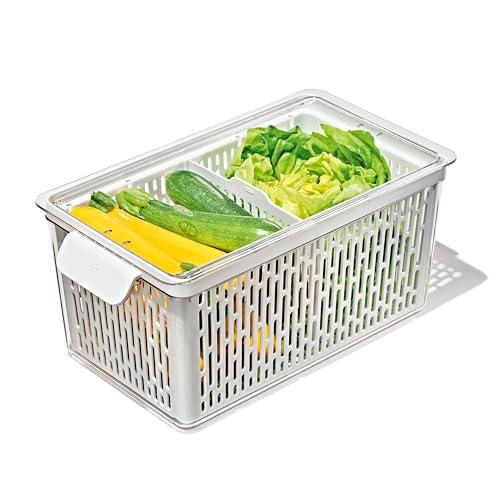
Fridge-friendly storage keeps produce fresh longer
Refrigeration Methods
Refrigerate lettuce immediately after purchasing. Maintain a temperature between 32°F and 36°F for optimal crispness. Store whole heads of lettuce unwashed; excess moisture promotes spoilage. For pre-washed or cut lettuce, use breathable containers, which allow some airflow. If you wrap the lettuce in a damp paper towel before placing it in a container, this helps control moisture levels.
Using Produce Bags
Use perforated produce bags for storing lettuce. These bags provide airflow while retaining moisture, creating a balanced environment. If you lack perforated bags, consider paper towels inside regular produce bags. Ensure the bags aren’t too tight; this prevents crushing and keeps the leaves intact. For long-term storage, keep the bags in the crisper drawer of your fridge.
Tips for Serving
Serving crisp lettuce elevates any salad. Follow these simple tips to ensure your salad stays fresh and appealing.
Recommended Products

4 PACK FOOD CONTAINERS SETS: Fruit containers for fridge includes include 4 pack of large size 106 OZ (3.15L) + medium size 57 OZ(1.7L) +small size 27 OZ(0.8L) + mini size 13 OZ(0.38L). Various capacities perfect for most fruit, vegetable, lettuce, berry, cereal, meat, produce and other food storage. Perfect for most fridges, freezers, cupboards & drawers
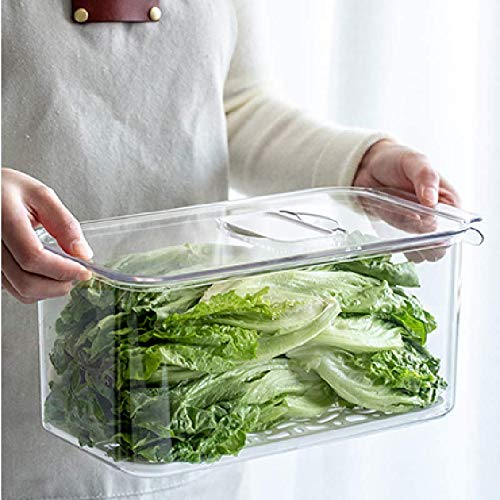
Note: NOT dishwasher safe! NOT for microwave oven! Working celsius temperature -30℃~60℃,suitable for refrigerator and freezer.
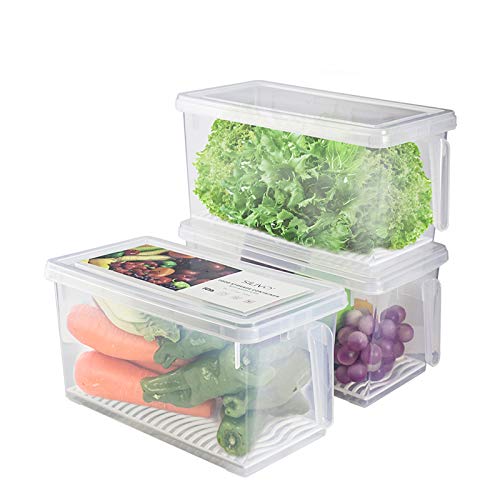
Keep Produce Fresh Longer: Produce saver containers for refrigerator helps prevent spoilage, keep fruits and vegetables crisp and stay longer.
Ideal Serving Temperature
Serve lettuce at a cool temperature. Aim for a range between 36°F and 40°F. If you’ve stored the lettuce properly, it should remain crisp. For added freshness, chill your serving bowl in the fridge beforehand. Cold lettuce maintains its crunch better, providing a more enjoyable texture in every bite.
Dressing Considerations
Apply dressing right before serving. Adding dressing too early causes lettuce to wilt quickly. Use a light hand when dressing the salad, ensuring each piece gets coated without sogginess. For best results, try light vinaigrettes or dressings that are less creamy. These options keep the lettuce crisp while enhancing flavor. Consider serving dressing on the side, allowing guests to add their desired amount.
Conclusion
Keeping your lettuce crisp for salads is all about the right storage and serving techniques. By paying attention to moisture and temperature you can enjoy fresh and crunchy greens every time.
Remember to store your lettuce properly and consider chilling your serving bowl to enhance that fresh taste. When it comes to dressing your salad keep it light and add it just before serving. With these simple tips you’ll elevate your salad game and impress your family and friends. Enjoy your crisp and delicious salads!
Frequently Asked Questions
What factors influence the freshness of lettuce?
Lettuce freshness is affected by its type, storage methods, moisture levels, temperature, and ethylene gas exposure. Romaine lettuce generally stays fresh longer, while leaf lettuce is more delicate. Proper storage techniques significantly impact overall freshness.
What is the best way to store lettuce?
To store lettuce effectively, refrigerate it between 32°F and 36°F. Use breathable containers or perforated bags to encourage airflow and moisture control. Placing lettuce in the fridge’s crisper drawer can help maintain its crispness longer.
How can I keep lettuce from wilting?
To prevent wilting, serve lettuce at an ideal temperature between 36°F and 40°F. Chill the serving bowl beforehand, and apply dressing just before serving. Opt for light vinaigrettes and consider serving dressing on the side to maintain crispness.
What is the role of ethylene gas in lettuce storage?
Ethylene gas is a natural plant hormone that can accelerate the ripening process. Storing lettuce away from ethylene-producing fruits like bananas and apples can help extend its freshness and minimize spoilage.
Why should I consider using paper towels when storing lettuce?
Using paper towels in storage helps absorb excess moisture, which can prevent sogginess and mold growth. Wrapping lettuce or placing it in bags with paper towels maintains a balanced moisture level, keeping it fresher for longer.
