

Have you ever wondered how long it takes to grow your own romaine lettuce? If you’re thinking about starting a home garden or just curious about the process, knowing the right timeline can make all the difference.
Imagine biting into a fresh, crisp salad made from lettuce you’ve grown yourself. It’s not just satisfying; it’s also a great way to enjoy healthy eating. This article will guide you through the days it takes to harvest romaine lettuce, helping you plan your garden and enjoy that delicious crunch sooner.
Key Takeaways
- Growth Timeline: Romaine lettuce typically takes 70 to 85 days from seed to harvest, with critical growth stages including germination (5-10 days), seedling development (2-3 weeks), and vegetative growth (4-5 weeks).
- Varietal Differences: Different romaine varieties have unique maturation times; for example, Cos Romaine matures in 70-80 days, while Butterhead takes 75-85 days.
- Optimal Conditions: For robust growth, romaine lettuce thrives in well-draining, nutrient-rich soil, ideally with a pH of 6.0 to 7.0, and benefits from 6-8 hours of sunlight and consistent moisture.
- Temperature’s Impact: The ideal temperature range for growing romaine lettuce is between 60°F and 70°F, with extreme heat potentially damaging the plants.
- Signs of Readiness: Look for 6-8 inch long leaves, vibrant green color, crisp texture, and firm head density as indicators of readiness for harvest.
- Harvesting Best Practices: Use sharp tools for clean cuts, harvest during cooler times of the day, and store lettuce properly to maintain freshness and quality.
Understanding Romaine Lettuce Growth
Understanding the growth process of romaine lettuce helps you optimize your planting and harvesting schedule. You can enjoy fresh, crunchy leaves much sooner with the right knowledge.
The Life Cycle of Romaine Lettuce
Romaine lettuce undergoes several stages from seed to harvest.
- Seed Germination: Typically takes 5 to 10 days. You’ll see sprouts begin to emerge in this timeframe.
- Seedling Development: For 2 to 3 weeks, seedlings grow into young plants. They’ll develop several leaves, preparing for further growth.
- Vegetative Growth: Lasts around 4 to 5 weeks. During this phase, the lettuce expands rapidly and forms the classic romaine head shape.
- Harvesting Stage: Generally, you can harvest in 65 to 75 days after planting. Timing depends on the variety and growing conditions.
Factors Influencing Growth Time
Several factors can impact how long romaine lettuce takes to grow.
- Temperature: Optimal growth occurs between 60°F and 70°F. Higher temperatures can speed up growth but may affect quality.
- Sunlight: Aim for at least 6 hours of sunlight daily. Insufficient light can slow growth and produce weaker plants.
- Soil Quality: Well-draining, nutrient-rich soil promotes faster growth. Regularly amend the soil with compost for best results.
- Watering: Consistent moisture is key. Overwatering can lead to rot, while underwatering can cause stress, inhibiting growth.
- Pest and Disease Control: Keeping plants healthy through regular monitoring prevents issues that can delay growth.
By understanding these factors, you can ensure your romaine lettuce matures efficiently, allowing you to enjoy your home garden’s produce sooner.
Typical Harvest Timeframe
Romaine lettuce typically takes 70 to 85 days from seed to harvest. Understanding this timeframe helps you plan your garden effectively.
Days Until Maturity
Days until maturity vary based on growing conditions and specific varieties. Generally, lettuce seeds germinate in 7 to 14 days. After germination, it takes about 50 to 70 days for romaine lettuce to reach harvestable size. Factors impacting this timeframe include temperature and soil quality. Warmer temperatures expedite growth, while cooler conditions may slow it. Regular watering also plays a crucial role in promoting growth.
Variations by Variety
Different romaine lettuce varieties exhibit unique growth rates. Common varieties include:
- Cos Romaine: Matures in 70-80 days.
- Butterhead Romaine: Matures in 75-85 days.
- Green Romaine: Matures in 65-75 days.
Selecting a variety based on your local climate can enhance your success. For quicker results, you might opt for faster-maturing types. Always check seed packets for specific information regarding maturity timelines.
Optimal Conditions for Growth
Romaine lettuce thrives under specific conditions that promote healthy growth and maximize yield. Focusing on soil, light, and temperature ensures a bountiful harvest.
Recommended Products
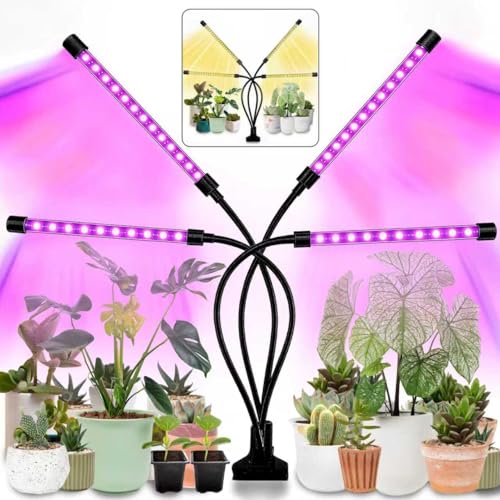
🌻Efficient LED Combination: This LED lamp has grow lights made up of 80 efficient growing LEDs ( 32 red lights, 12 blue lights,20 yellow lights and 16 white lights). It meets the conditions of plant growth without sunlight. 1--Full Spectrum(380nm-800nm): Suitable for all plants to root and sprout. 2--Red(660nm)+BLUE(460nm) Spectrum: for blooming and fruits. 3--Red+Blue+Full Spectrum: A mix of Red+Blue+Warm White is best to fuel the growth of your plants.

??【Sunlight Full Spectrum】White and Red LEDs mixed a CCT 5500K, which is similar to the sunlight at noon, an ideal for all sorts of indoor plants such as herbs, orchids, succulents and cactus. Also, the grow lamp fixture provides exceptional color-rendering up to 90, it is flicker-free and soft light(very eyes-comfortable compared to purple grow lights you often see), perfect for you to read/work at night.

【Full Spectrum】Same as natural sunlight. It has been proven to promote photosynthesis and indoor plant growth, so you don't have to worry that houseplants can't grow healthily without sunlight.
Soil Requirements
Soil plays a crucial role in romaine lettuce growth. Aim for well-draining, nutrient-rich soil with a pH level between 6.0 and 7.0. Organic matter, like compost, enriches the soil and improves drainage.
- Texture: Use loamy or sandy loam soil for optimal drainage.
- Nutrients: Incorporate balanced fertilizers, rich in nitrogen, phosphorus, and potassium for strong growth.
- Moisture: Maintain consistent moisture without waterlogging, as this can lead to root rot.
Light and Temperature Needs
Light and temperature significantly impact romaine lettuce’s growth rates. It thrives in full sun, receiving at least six to eight hours of direct sunlight daily.
- Light: Position plants where they’ll get ample sunlight, either outdoors or under grow lights if indoors.
- Temperature: Ideal temperatures range from 60°F to 70°F during the day. Lettuce struggles in extreme heat; if temperatures exceed 75°F, consider providing partial shade.
- Frost Protection: Protect young plants from frost; they can tolerate light frosts, but extended periods of cold can stunt growth.
By ensuring the right soil conditions and providing adequate light and temperature, you’ll foster a robust environment for your romaine lettuce to flourish.
Harvesting Techniques
Harvesting romaine lettuce involves understanding when and how to collect the leaves for the best taste and texture. Observing your plants closely ensures you pick them at their peak.
Recommended Products

K115 Crop Harvest Knife, 7.25-Inch Blade, is designed for trimming lettuce, greens, and soft-stemmed vegetables.

NO KNIFE NEEDED: Chop a whole head of lettuce in seconds easily and safely with the SaladShears Lettuce Chopper.

Complete Lettuce Garden Starter Kit Indoor – 5 heirloom salad and green seed packets, 8 biodegradable soil disks, 8 plant markers, and 8 starter pots. Romaine, Spinach, Arugula, Kale and Buttercrunch lettuce heirloom seeds are the star of the set!
Signs of Readiness
Look for specific indicators to determine when romaine lettuce is ready for harvest.
- Leaf Size: Leaves should be about 6 to 8 inches long. This size indicates they’ve reached maturity.
- Color: A vibrant, deep green color signifies healthy, ready-to-harvest plants.
- Texture: Leaves should feel firm and crisp. If they’re wilting or turning yellow, it’s best to harvest sooner rather than later.
- Head Density: For heads, check if they feel firm to the touch. A dense head means it’s ready for picking.
Best Practices for Harvesting
Use effective techniques to ensure a successful harvest and maintain the quality of your romaine lettuce.
- Tools: Utilize sharp garden scissors or a sharp knife for clean cuts. This helps prevent damage to the plant.
- Cutting Method: Cut leaves from the base, leaving 1 to 2 inches of stem. This helps the plant regrow for a second harvest.
- Timing: Harvest early in the morning or late in the afternoon when temperatures are cooler. This retains moisture and crispness.
- Storage: Store harvested lettuce in a cool, dark place or in the refrigerator. Keep it wrapped in damp paper towels to maintain freshness.
By following these signs and practices, you can enjoy a bountiful and delicious harvest of romaine lettuce.
Conclusion
Growing romaine lettuce can be a rewarding experience when you know what to look for. By paying attention to the growth stages and understanding the signs of readiness you can enjoy a bountiful harvest. With the right conditions and care your romaine will thrive and provide you with fresh, crisp leaves for your salads and sandwiches.
Remember to keep an eye on the weather and adjust your care routine as needed. Whether you’re a seasoned gardener or just starting out you’ll find that with a little patience and knowledge your romaine lettuce will be ready to enjoy in no time. Happy gardening!
Frequently Asked Questions
What are the key growth stages of romaine lettuce?
The growth stages of romaine lettuce include germination, seedling, vegetative, and maturity. Understanding these stages helps ensure proper care and timely harvesting.
What factors affect the growth time of romaine lettuce?
Key factors include temperature, sunlight, soil quality, watering, and pest control. Optimal conditions can significantly reduce growth time and enhance lettuce quality.
How can I tell when romaine lettuce is ready to be harvested?
Look for signs like increased leaf size, vibrant color, firm texture, and dense heads. These indicators suggest that the lettuce is ready for harvest.
What are the best practices for harvesting romaine lettuce?
Use sharp tools to cut at the base of the leaves, harvest during the cooler parts of the day, and avoid damaging neighboring plants to ensure a clean harvest.
How should I store romaine lettuce after harvesting?
After harvesting, rinse the lettuce to remove dirt, dry it gently, and store it in a breathable bag in the refrigerator. This keeps it fresh and crisp for longer.
