

Ever opened a bag of lettuce only to find it wilted and slimy days later? You’re not alone. Many of us struggle with keeping bagged greens fresh after the first use, leading to wasted food and money.
Key Takeaways
- Choose the Right Lettuce: Different types of bagged lettuce have varying shelf lives and characteristics; romaine, iceberg, green leaf, red leaf, and spring mix each have unique benefits.
- Proper Refrigeration: Store opened bagged lettuce in the coldest part of the refrigerator, ideally at 32°F to 40°F, and avoid the door to maintain consistent cool temperatures.
- Use Airtight Containers: Transfer lettuce to sealed containers or resealable bags to minimize air exposure and moisture buildup, enhancing freshness.
- Manage Moisture: Prevent excess moisture by placing paper towels in storage to absorb humidity and avoid washing lettuce until it’s ready to eat.
- Incorporate Ethylene Gas Absorbers: Utilize ethylene gas absorbers in your refrigerator to slow down spoilage and extend the shelf life of your bagged lettuce.
- Track Freshness: Label containers with the date opened to ensure you consume your lettuce within a week, maximizing its nutritional value and reducing waste.
Understanding Bagged Lettuce
Bagged lettuce is convenient, but it often spoils quickly once opened. Knowing about different types and their nutritional benefits helps you keep your greens fresh longer.
Types of Bagged Lettuce
- Romaine Lettuce: Crisp, sturdy leaves make this variety great for salads and sandwiches.
- Iceberg Lettuce: Known for its crunch and mild flavor, iceberg is often used in wraps or burgers.
- Green Leaf Lettuce: Soft, ruffled leaves add a tender texture to salads and dishes.
- Red Leaf Lettuce: With its vibrant color, red leaf lettuce enhances visual appeal and taste in salads.
- Spring Mix: This blend of young greens includes arugula, mesclun, and more, providing varied flavors and textures.
Each type has unique characteristics and storability. Choosing the right kind can impact how long your bagged lettuce stays fresh.
- Low in Calories: Lettuce contains minimal calories, making it a healthy base for meals.
- High in Water Content: With about 95% water, lettuce helps keep you hydrated.
- Rich in Vitamins: Lettuce provides vitamins A, C, and K, supporting immune function and skin health.
- Source of Fiber: Eating lettuce promotes digestion and contributes to your daily fiber intake.
Understanding these benefits can encourage you to incorporate more bagged lettuce into your diet, maximizing both nutritional value and freshness.
Proper Storage Techniques
Keeping bagged lettuce fresh after opening involves specific storage techniques. Following these guidelines helps maintain crispness and flavor.
Refrigeration Best Practices
Refrigerate bagged lettuce immediately after opening. Store it in the coldest part of your refrigerator, typically in the back rather than the door. Maintain a temperature between 32°F and 40°F. Avoid overloading the fridge, as proper air circulation is vital for freshness. If your lettuce shows signs of wilting, use slightly damp paper towels to wrap it, which can help retain moisture while preventing excess water. Check your refrigerator settings regularly to ensure optimal cooling.
Suitable Containers for Storage
Use airtight containers to prolong lettuce freshness. Transfer the greens into a clean, dry container with a tight-sealing lid. Alternatively, employ resealable bags, reducing excess air before sealing. Add a piece of paper towel inside to absorb moisture, which prevents sogginess. If you prefer keeping the lettuce in its original bag, press out as much air as possible before resealing it. Label your containers with the date opened to track freshness, ensuring you use the lettuce within a week.
Maintaining Freshness After Opening
Keeping bagged lettuce fresh after opening involves specific techniques that prevent spoilage and maintain crispness. Follow these tips for optimal storage.
Avoiding Excess Moisture
Excess moisture causes lettuce to wilt and rot quickly. Here’s how to keep it dry:
- Use Paper Towels: Place a paper towel in the bag or container to absorb moisture. Replace it if it becomes damp.
- Don’t Wash Lettuce Until Use: Only wash the lettuce right before consuming. Washing adds moisture that can accelerate spoilage.
- Check Packaging: Ensure the bag’s packaging has ventilation holes. These holes help control humidity levels.
Sealing Techniques
Proper sealing helps maintain freshness. Consider these methods:
- Airtight Containers: Transfer leftover lettuce to airtight containers. This prevents air exposure and keeps the greens crisp.
- Resealable Bags: If using resealable bags, squeeze out excess air before sealing. This minimizes oxidation and moisture buildup.
- Wrap with Care: If returning the lettuce to its original bag, wrap it snugly with plastic wrap to keep it from being crushed while retaining a little air circulation.
By implementing these strategies, you can significantly extend the life of your bagged lettuce, reducing waste and promoting healthier meals.
Tips for Extended Freshness
To keep bagged lettuce fresh longer, consider these effective strategies. Proper care and storage techniques play a crucial role in extending its lifespan.
Recommended Products
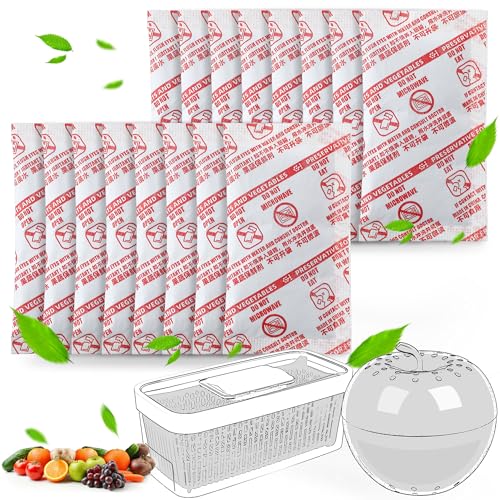
Perfect Compatibility: The ethylene gas absorber is compatible with apple shape produce freshness saver and replacement for the refill packets, for produce keeper and Crisper Inserts; Made of natural materials, you can safely use it with other fruit containers for fridge keep fresh or bags to keep food fresh

【How to Work?】: The life of your nutritious produce by absorbing ethylene gas, which slows down the ripening process. Our ethylene gas absorber helps to keep your food fresher longer.

Perfect Compatibility: The ethylene gas absorber is compatible with apple shape produce freshness saver and replacement for the refill packets, for produce keeper and Crisper Inserts; Made of natural materials, you can safely use it with other fruit containers for fridge keep fresh or bags to keep food fresh
Using Ethylene Gas Absorbers
Using ethylene gas absorbers can significantly enhance the freshness of your bagged lettuce. Ethylene is a natural gas produced by fruits and vegetables that can accelerate spoilage. Place these absorbers in the refrigerator with your lettuce to neutralize the gas and slow down decay. Several brands offer small packets that you can easily add to your veggie drawer or lettuce container.
Recommended Temperature Settings
Maintaining the right temperature is critical for keeping lettuce fresh. Set your refrigerator between 32°F and 40°F, ideally at around 35°F. At this temperature, lettuce retains its crispness and moisture. Avoid placing your lettuce near the fridge door, as it experiences temperature fluctuations. Instead, store it in a designated cool area, such as the back of the fridge, where temperatures remain more consistent.
Conclusion
Keeping your bagged lettuce fresh after opening doesn’t have to be a challenge. By following the right storage techniques and being mindful of moisture, you can enjoy crisp greens for longer. Remember to refrigerate promptly and use airtight containers to lock in freshness.
With a few simple tips like using paper towels and checking for ventilation, you’ll minimize waste and maximize your lettuce’s lifespan. So next time you open a bag of greens, you’ll feel confident knowing you can keep them fresh and delicious. Enjoy those salads without the worry of spoiled lettuce!
Frequently Asked Questions
Why does bagged lettuce spoil quickly after opening?
Bagged lettuce spoils quickly due to exposure to air and moisture. Once opened, the natural breakdown processes accelerate, leading to wilting and slimy leaves. Proper storage techniques can help mitigate this issue.
How should I store bagged lettuce after opening?
To store bagged lettuce, refrigerate it immediately in the coldest part of the fridge, ideally between 32°F and 40°F. Use airtight containers or resealable bags with a paper towel to absorb excess moisture.
What are the different types of bagged lettuce?
Common types of bagged lettuce include romaine, iceberg, green leaf, red leaf, and spring mix. Each type has unique characteristics and storability that can affect how long they stay fresh.
What are the nutritional benefits of lettuce?
Lettuce is low in calories, high in water content, and packed with vitamins A, C, and K. It is also a good source of fiber, making it a healthy addition to meals.
How can I extend the freshness of bagged lettuce?
To extend freshness, store lettuce away from the fridge door to avoid temperature fluctuations. Using ethylene gas absorbers can also help, as they neutralize the gas that speeds up spoilage.
Should I wash bagged lettuce before storing it?
No, avoid washing bagged lettuce until just before consumption. Excess moisture from washing can lead to quicker spoilage, so it’s best to keep it dry until you’re ready to eat.
Can I use paper towels to keep lettuce fresh?
Yes! Wrapping lettuce in slightly damp paper towels can help retain moisture and prevent wilting. Adding a paper towel in storage containers can also absorb excess moisture.
How can I know if my lettuce is still fresh?
Check for signs of wilting, sliminess, or discoloration to determine freshness. If it feels overly mushy or has a bad odor, it’s best to discard it to avoid food waste.
