

Have you ever stared at your thriving garden of mixed lettuce, wondering when and how to pick it? You’re not alone. Many gardeners face this dilemma, wanting to enjoy fresh greens without damaging their plants.
Key Takeaways
- Understand Mixed Lettuce Varieties: Familiarize yourself with popular varieties such as Butterhead, Romaine, Leaf, Frisée, and Savoy to enhance your garden’s diversity and flavor profile.
- Nutritional Benefits: Mixed lettuce is low in calories, rich in vitamins A and K, high in fiber, and hydrating, making it a nutritious addition to your diet.
- Optimal Harvesting Time: Harvest mixed lettuce when leaves measure 4 to 6 inches, exhibit vibrant color, and have a crisp texture for the best taste and nutritional value.
- Seasonal Harvesting Tips: Timing your harvest according to the season ensures the best flavor; spring and fall are ideal for specific varieties, while summer requires morning harvesting to avoid bitterness.
- Effective Harvesting Techniques: Use sharp garden scissors and a harvesting basket, selecting outer leaves first to allow the plant to continue growing and thrive.
- Proper Storage Methods: Keep harvested lettuce fresh by washing thoroughly, wrapping in paper towels, storing in an airtight container, and regularly checking for any spoilage.
Understanding Mixed Lettuce Varieties
Mixed lettuce varieties offer a delightful range of flavors and textures. Knowing these varieties helps you choose the best for your garden and palate.
Recommended Products

Beautiful - Large, premium packet of a blend of heirloom Lettuce seeds (Latuca sativa). This surprising mix of pretty and colorful lettuces will be a welcome addition to your garden in early spring and fall. Minimum of 600 mg per packet (about 650 seeds).
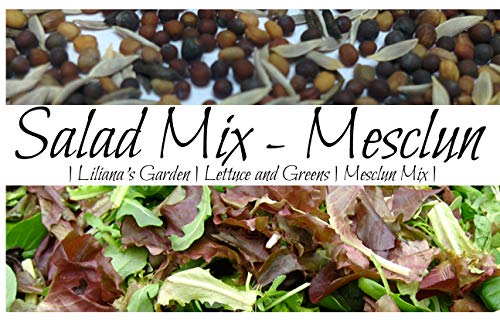
Yields and average of 180 salad leaf plants including varieties of arugula, endive, mustard greens, and more. Yields roughly 32 lbs of mature greens after just a full growing season, 40 days for baby greens.

USDA Certified Organic by Oregon Tilth
Popular Varieties of Mixed Lettuce
- Butterhead Lettuce – This variety has soft, pliable leaves that yield a delicate, buttery flavor. Examples include Buttercrunch and Boston Bibb.
- Romaine Lettuce – Known for its crisp texture and robust flavor, Romaine works well in salads and on sandwiches. Popular choices are Little Gem and Classic Romaine.
- Leaf Lettuce – Leaf lettuces come in various colors and shapes, adding visual appeal and a mild taste. Lollo Rosso and Oakleaf are great examples of leaf lettuce.
- Frisée Lettuce – This curly, frilly variety adds a unique crunch. Its slightly bitter taste complements sweeter greens in a salad.
- Savoy Lettuce – With its crinkled leaves and sturdy structure, Savoy holds dressing well. It offers a slightly sweeter flavor, making it versatile for salads or sautéing.
Nutritional Benefits of Mixed Lettuce
Mixed lettuce varieties pack essential nutrients that support your health. Here are some key benefits:
- Low in Calories – Ideal for weight management, most lettuces have fewer than 20 calories per cup.
- Rich in Vitamins – Lettuce varieties are excellent sources of vitamins A and K. These vitamins support eye health and blood clotting, respectively.
- High in Fiber – Fiber promotes digestive health and can help maintain a healthy weight. A cup of mixed lettuce contains about 1 gram of fiber.
- Hydrating Properties – With a high water content, lettuce helps keep you hydrated. This is especially beneficial during hot weather.
Mixed lettuce varieties enhance your meals while providing valuable nutrients. Selecting a range of types enriches both your diet and gardening experience.
When to Harvest Mixed Lettuce
Harvesting mixed lettuce at the right time ensures optimal flavor and nutrition. You want to pick your greens when they’re at their peak.
Signs of Maturity
Look for specific indicators that your mixed lettuce is ready for harvest:
- Size: Lettuce typically reaches its ideal size when leaves measure 4 to 6 inches long.
- Color: Bright, vibrant leaves signal freshness. Dull or faded leaves suggest it’s past prime.
- Texture: Crisp leaves indicate readiness. Wilted or limp leaves mean it’s time to harvest soon.
- Taste: Sampling a leaf gives you an idea of flavor. If it’s sweet and tender, it’s ready.
Best Seasons for Harvesting
Harvesting mixed lettuce varies by season. Here’s a breakdown:
- Spring: Early varieties like Butterhead thrive. Harvest from late April to early June.
- Summer: Leaf varieties flourish but may bolt in heat. Harvest during cooler morning hours for best flavor.
- Fall: Cooler temperatures enhance sweetness. Harvest from late September into November for a second crop.
- Winter: If grown in a greenhouse or under covers, you can harvest throughout the winter months. Ensure protection from frost.
Monitor your mixed lettuce regularly to enjoy fresh greens at their best.
Tools and Techniques for Harvesting
Harvesting mixed lettuce efficiently requires the right tools and methods. Use the following guidance to ensure a successful harvest.
Essential Tools for Harvesting
- Garden Scissors: Use sharp scissors for clean cuts. This minimizes damage to the plant and prevents bruising.
- Gloves: Wear lightweight gardening gloves to protect your hands while handling the leaves.
- Harvesting Basket: Select a basket to collect the lettuce. A basket allows for adequate airflow to prevent wilting.
- Labels or Markers: Utilize labels for different varieties if growing multiple types. This helps in tracking growth and harvesting times.
- Inspect Your Plants: Check for maturity by ensuring leaves reach 4 to 6 inches in size. Look for vibrant color and crisp texture.
- Select Leaves: Choose outer leaves first. This promotes further growth in the center.
- Cut Leaves: Use garden scissors to snip leaves just above the base. Avoid pulling or twisting them, as this can disturb the roots.
- Collect Carefully: Place harvested leaves gently into your basket. Avoid crushing the leaves during collection.
- Wash and Store: Rinse harvested lettuce under cool water. Dry thoroughly in a salad spinner or with a cloth. Store in a sealed bag in the refrigerator.
Following these tools and techniques ensures a plentiful and delightful harvest of mixed lettuce for your meals.
Storing and Using Harvested Lettuce
Proper storage keeps your harvested lettuce fresh and crisp. Use these guidelines to enhance your experience with mixed lettuce varieties.
Best Storage Practices
- Wash Thoroughly
Rinse your lettuce leaves under cold water to remove dirt and insects. Dry leaves with a salad spinner or cloth to prevent moisture buildup, which can cause spoilage. - Wrap in Paper Towels
Place washed lettuce in a paper towel. This absorbs excess moisture and prevents wilting. Layer several leaves for optimal coverage. - Store in a Container
Use an airtight container or a zip-top bag to keep lettuce fresh. If using a bag, leave it slightly open for airflow while minimizing moisture retention. - Refrigerate Promptly
Store your wrapped lettuce in the vegetable crisper drawer of your refrigerator. This maintains a stable, cool environment that preserves freshness. - Check Regularly
Inspect your lettuce for any wilting or browning. Remove any damaged leaves to prolong the life of the remaining greens.
- Salads
Create vibrant salads with a mix of romaine, butterhead, and frisée. Toss with a light vinaigrette or a creamy dressing for a refreshing meal. - Sandwiches and Wraps
Add crisp lettuce leaves to sandwiches or wraps for crunch and freshness. Layer them with sliced tomatoes, cucumbers, and your choice of protein. - Smoothies
Blend mixed lettuce into smoothies for added nutrients. Combine with fruits like bananas and berries for a delicious drink that packs a nutritional punch. - Soups
Incorporate lettuce into soups for extra flavor. Lightly stir in just before serving for a delicate texture without losing nutritional value. - Garnishes
Use whole leaves as garnishes on plates or for appetizers. They add an attractive touch and can enhance the visual appeal of your dishes.
Utilizing the right storage techniques and creative uses for your harvest maximizes the enjoyment of your mixed lettuce while minimizing waste.
Conclusion
Harvesting mixed lettuce can be a rewarding experience that adds freshness to your meals. By knowing when to pick and how to do it right, you can enjoy the best flavors and textures your garden has to offer.
Remember to use the right tools and techniques to keep your plants thriving while you enjoy their bounty. With a little care in harvesting and storing, your mixed lettuce can stay crisp and delicious for days.
So go ahead and get your hands dirty—your taste buds will thank you!
Frequently Asked Questions
When is the best time to harvest mixed lettuce?
Harvest mixed lettuce when the leaves are 4 to 6 inches long and have vibrant color. Early spring is ideal for Butterhead varieties, summer for Leaf types, and fall for sweeter flavors. Regularly check for maturity for the best taste.
How do I know my mixed lettuce is ready to harvest?
Look for leaves that are crisp and vibrant, typically around 4 to 6 inches long. Taste a leaf to check for flavor. Harvesting outer leaves first encourages further growth in the center of the plant.
What tools do I need to harvest mixed lettuce?
You’ll need sharp garden scissors for clean cuts, lightweight gloves for hand protection, and a harvesting basket to collect the lettuce. These tools make the process efficient and safe for the plants.
How should I store harvested mixed lettuce?
Wash the leaves thoroughly, then wrap them in paper towels to absorb excess moisture. Store the wrapped lettuce in an airtight container or zip-top bag in the fridge’s vegetable crisper drawer for freshness.
Can I harvest mixed lettuce in winter?
Yes, you can harvest mixed lettuce in winter if grown under protective covers. This method helps shield the plants from frost, allowing you to enjoy fresh greens even in colder months.
What are the nutritional benefits of mixed lettuce?
Mixed lettuce is low in calories and rich in vitamins A and K. It is also high in fiber and hydrates well, making it a nutritious addition to salads, sandwiches, and other meals.
How can I use mixed lettuce creatively?
You can use mixed lettuce in salads, sandwiches, smoothies, soups, or as a garnish. Mixing various types adds flavor and texture, helping to minimize waste from your garden.
