

Have you ever harvested lettuce only to find your plants wilting away soon after? It’s frustrating, especially when you want to enjoy fresh greens while keeping your garden thriving. The good news is you can have the best of both worlds.
Key Takeaways
- Understanding the growth stages of lettuce—germination, seedling, vegetative, and maturity—is crucial for effective harvesting and maintaining plant health.
- Selective harvesting by picking only the outer leaves promotes continuous growth without damaging the entire plant.
- Timing is key: harvest lettuce in the morning and at optimal maturity stages to enhance flavor and prevent wilting.
- Use the right tools, such as sharp scissors or shears, to minimize stress on the plant and ensure clean cuts.
- Sustainable harvesting practices, like monitoring growth and harvesting in moderation, help preserve lettuce health for future yields.
- Proper storage and handling of harvested lettuce, including keeping moisture levels up, can significantly extend freshness.
Understanding Lettuce Growth
Understanding how lettuce grows helps you harvest it without damaging the plant. Lettuce has specific growth characteristics that can guide your harvesting practices.
Types of Lettuce
Lettuce comes in various types, each with unique features:
- Romaine: Known for its long, sturdy leaves. It grows well in the garden and offers a crunchy texture.
- Butterhead: Characterized by its soft, round leaves. Picking leaves from the outer edges allows inner leaves to continue thriving.
- Iceberg: Features tightly packed, crispy leaves. Cut the head at the base to harvest without harming the remaining structure.
- Leaf: Comes in loose varieties. These grow quickly. You can snip off outer leaves regularly for continuous harvests.
Choosing the right type of lettuce for your garden can affect your harvesting techniques.
Growth Stages
Lettuce passes through several growth stages, each requiring specific care:
- Germination: Seeds sprout after 7 to 14 days. Keep the soil moist but not waterlogged.
- Seedling: Young plants develop true leaves around 3 weeks after germination. Thin seedlings to prevent overcrowding.
- Vegetative: This phase lasts about 4 to 6 weeks. Plants grow rapidly. Monitor moisture levels and provide ample sunlight.
- Maturity: Lettuce reaches full size in 50 to 80 days, depending on the variety. Identify optimal harvesting time by checking leaf size and plant structure.
Understanding these stages keeps your lettuce healthy while providing a fresh supply for salads and sandwiches.
Harvesting Techniques
Harvesting lettuce involves specific techniques that help you enjoy fresh greens while maintaining plant health. By using the right methods, you can ensure continuous growth and yield.
Recommended Products

HERB GARDENING ESSENTIAL: Stainless steel blade plant shears with sheath ideal for harvesting herbs outdoors or with a window herb garden for kitchen; encourages overall lawn and garden health, or perfect gift to go with any indoor herb garden kit

Curved blade tips for ultimate cutting precision

【ANTI-SLIP HANDLE DESIGN】: The two-color anti-slip handle of the fruit pruning shears is ergonomically designed made of high purity PP+TRP secondary injection molding. Garden Pruning Shears handle is comfortable to grip and save energy. Garden shears has strong toughness and strength, which provides a strong grip and toughness for long-term use.
Selective Harvesting
Selective harvesting focuses on picking only the outer leaves of the lettuce plant. This method allows you to enjoy fresh lettuce without uprooting or damaging the entire plant.
- Choose the Right Leaves: Select mature outer leaves that are large and healthy. Avoid taking too many leaves at once; 1-3 leaves per plant work well.
- Use Sharp Tools: Use clean, sharp scissors or garden shears to make clean cuts. This reduces stress on the plant and minimizes damage.
- Cut Near the Base: Cut the leaves as close to the stem as possible without harming other leaves. This encourages new leaf growth from the center.
Timing for Harvest
Timing plays a crucial role in successful lettuce harvesting. Ensuring optimal conditions can enhance flavor and extend the lifespan of your plants.
- Harvest in the Morning: Pick lettuce in the early morning when plants are crisp and hydrated. This helps prevent wilting after collection.
- Monitor Growth Stages: Harvest lettuce at the right maturity stage. Typically, wait until plants are about 6-8 inches tall for Romaine and Leaf varieties, and 4-6 inches for Butterhead.
- Watch for Bolt: Keep an eye out for signs of bolting, which occurs when the plant starts to flower. Once you notice flowering, harvest promptly, as leaves may turn bitter.
By applying selective harvesting techniques and timing your harvests correctly, you can enjoy a steady supply of fresh lettuce while keeping your garden thriving.
Tools and Equipment
Gather the right tools and equipment to harvest lettuce effectively and safely. Using proper tools minimizes the risk of damaging the plant and ensures a successful harvest.
Recommended Products
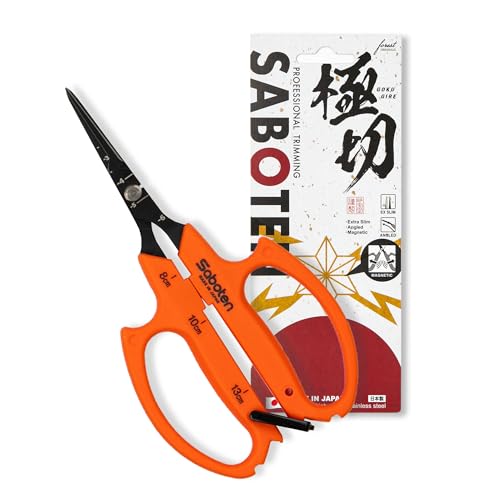
✅【Automatic Magnetic “Springless” Action】 Feel the difference immediately: the built-in magnetic repulsion reopens the blades smoothly after every cut. No metal spring fatigue, no wobble, just a clean, consistent rhythm that’s ideal for repetitive trimming and harvesting.

MULTI-PURPOSE GARDEN SCISSORS: Steel blade pruners for gardening featuring a straight edge, a serrated edge, and a wire cutter ideal for opening bags, cutting through landscape fabrics and ropes, and a variety of other gardening tasks

✅ 【Razor-Sharp Japanese Carbon Steel】 Heat-treated, precision-ground blades glide through stems and branches with clean, effortless cuts — the kind that heal faster and keep your plants healthier.
Essential Tools
- Sharp Scissors or Garden Shears: Select sharp, clean scissors or shears. These tools provide a clean cut that promotes healthy growth and reduces stress on the plant.
- Gardening Gloves: Wear gloves to protect your hands from dirt and potential pests. Choose gloves that offer good grip for handling tools and lettuce.
- Harvest Basket: Use a sturdy basket to collect cut leaves. This helps keep the leaves fresh and prevents bruising during transport.
- Water Spray Bottle: Keep a spray bottle filled with water handy. Lightly mist the harvested leaves to maintain moisture and freshness.
- Measuring Tape: Use a measuring tape to gauge the size of leaves. This ensures you’re harvesting at the right growth stage.
- Wear Protective Gear: Always wear gloves and possibly goggles if you’re working near sharp tools or the ground. Protecting your eyes and skin is essential.
- Handle Tools Carefully: Keep tools like shears and scissors closed when not in use. Store them out of reach of children and pets to avoid accidents.
- Maintain Tool Hygiene: Clean and sanitize tools before and after use. This practice helps prevent the transfer of diseases between plants.
- Be Mindful of Surroundings: Pay attention to your surroundings while harvesting. Avoid tripping over garden beds or tools left lying around.
- Harvest with Care: Take your time and ensure a gentle approach when cutting the leaves. Rushing can lead to injury or damage the plants.
Equipping yourself with the right tools and safety measures enhances your harvesting experience while preserving the health of your lettuce plants.
Best Practices for Sustainable Harvesting
Sustainable harvesting allows you to enjoy lettuce while ensuring the plant continues to thrive. Follow these best practices to maintain plant health and achieve a bountiful harvest.
Recommended Products
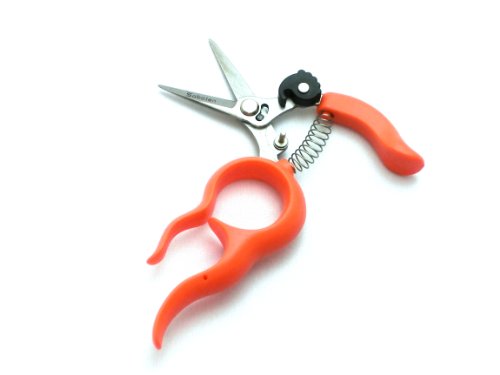
[Caution] Picture shown is 1318S.

Chop Salad in the Bowl: These salad chopper scissors turn a bowl of lettuce and toppings into a finely chopped salad. The salad cutter tool has a curved anti-splash head and needs no chopping board

CUT HERBS FAST & EVENLY, EVEN TOUGH STEMS:: 5 ultra-sharp stainless steel blades make quick work of parsley, basil, cilantro, dill, oregano, mint, chives, and leafy greens. Two snips equal 10 knife chops. Cut directly onto your dish in seconds with no cutting board required.
Tips for Preserving Growth
- Select Mature Leaves: Focus on the outer leaves first. These are ready for harvest while the inner leaves continue to grow.
- Cut Cleanly: Use sharp scissors or shears to make clean cuts. This reduces damage and promotes quick healing.
- Harvest in Moderation: Limit the number of leaves you pick at one time. Taking too many can stress the plant and hinder its growth.
- Monitor Growth Stages: Know your lettuce plants’ growth stages. Harvest when plants are mature enough but not bolting for best flavor.
- Timing Matters: Pick your lettuce in the morning, when temperatures are cooler. This helps maintain crispness and flavor.
- Handle Gently: After harvesting, treat the leaves with care to avoid bruising. Place them in a soft harvest basket to prevent damage.
- Keep Moisture Levels Up: Use a water spray bottle to mist the harvested leaves gently. This helps maintain freshness until they’re ready for consumption.
- Cool Storage: Store the harvested lettuce in a cool, dark place, ideally in the refrigerator. Wrap it in a damp cloth or paper towel to retain moisture.
- Process Promptly: Aim to wash and dry your lettuce shortly after harvesting. If you wait too long, leaves may wilt or spoil.
By following these practices, you can enjoy your lettuce while keeping your plants healthy and ready for more harvesting.
Conclusion
Harvesting lettuce can be a rewarding experience when done right. By following the tips and techniques shared here you can enjoy fresh greens while keeping your plants healthy. Remember to choose the right time and method for harvesting to promote ongoing growth.
With a little care and attention your garden can thrive and provide you with delicious lettuce for many meals to come. So grab your tools and get ready to enjoy the fruits of your labor while ensuring your lettuce continues to flourish. Happy harvesting!
Frequently Asked Questions
What causes harvested lettuce to wilt quickly?
Harvested lettuce wilts quickly due to moisture loss, often exacerbated by warm temperatures and exposure to air. Lettuce is highly perishable, and without proper care immediately after picking, it can lose crispness and freshness.
How can I prevent lettuce from wilting after harvesting?
To prevent wilting, harvest lettuce in the morning when temperatures are cooler. After picking, immediately mist the leaves with water to maintain moisture and store them in a cool, dark place. Using a harvest basket can help minimize bruising.
What types of lettuce are best for continuous harvesting?
Romaine, Butterhead, Iceberg, and Leaf lettuces are excellent for continuous harvesting. Leaf lettuces, in particular, are ideal since you can selectively harvest outer leaves without uprooting the entire plant, promoting ongoing growth.
What are selective harvesting techniques for lettuce?
Selective harvesting involves picking only the outer, mature leaves of the lettuce plant. Use sharp scissors for clean cuts and cut near the base to encourage new growth. This method helps maintain plant health while providing fresh greens.
When is the best time to harvest lettuce for optimal freshness?
The best time to harvest lettuce for optimal freshness is in the morning. Cooler temperatures help retain moisture in the leaves, enhancing taste and reducing the risk of wilting or spoilage after picking.
What tools are essential for harvesting lettuce effectively?
Essential tools for harvesting lettuce include sharp scissors or garden shears, gardening gloves, a harvest basket, a water spray bottle, and a measuring tape. These tools help ensure clean cuts, protect your hands, and maintain moisture levels.
How should harvested lettuce be stored to prevent spoilage?
After harvesting, gently handle the lettuce and mist it with water to maintain moisture. Store the leaves in a cool, dark place, ideally in a refrigerator, to prevent spoilage and extend freshness.
What are best practices for sustainable lettuce harvesting?
Best practices for sustainable harvesting include selecting mature outer leaves first, cutting cleanly to minimize damage, and harvesting in moderation. Monitor the growth stages and harvest during cooler times to ensure plant health and flavor.
