

Are you thinking about growing your own lettuce but unsure how deep the soil should be? You’re not alone. Many new gardeners face this question, and getting it right can make all the difference in your harvest.
Key Takeaways
- Soil Depth Requirements: Aim for a minimum soil depth of 6 to 12 inches for optimal lettuce growth, ensuring adequate root expansion and nutrient access.
- Type-Specific Depths: Leaf lettuce prefers 6 to 8 inches, Crisphead lettuce needs 10 to 12 inches, and Stem lettuce thrives with 8 to 10 inches of soil depth.
- Soil Quality Matters: Choose well-draining, loose, and nutrient-rich soil to promote healthy root development and prevent issues like root rot.
- Moisture Consistency: Maintain consistent moisture levels in the soil; avoid overwatering or letting the soil dry out completely for the best growth outcomes.
- Testing Soil Conditions: Regularly test your soil depth and quality using tools like a garden trowel or soil probe, or consider professional soil testing services for comprehensive analysis.
- Temperature Sensitivity: Lettuce grows best in cooler climates between 60 to 70 degrees Fahrenheit; high temperatures can hinder root growth and overall health.
Understanding Lettuce Root Depth
Understanding lettuce root depth helps you provide adequate soil for healthy growth. Lettuce typically has shallow roots compared to other vegetables, making it easier to grow in varied soil conditions.
Types of Lettuce and Their Root Systems
Different types of lettuce have varying root structures. Here’s a breakdown:
- Leaf Lettuce: These varieties, like Romaine and Butterhead, have shallow roots, typically extending 6 to 12 inches deep. They thrive in loose, well-drained soil.
- Crisphead Lettuce: Varieties like Iceberg grow deeper roots, up to 12 to 18 inches. This type requires more soil volume to support its size.
- Stem Lettuce: This variety grows long, straight stems and shallow roots, about 6 inches deep. Sturdy soil keeps the plant upright.
Factors Influencing Root Growth
Several factors influence root growth in lettuce:
- Soil Type: Well-aerated and loose soil promotes healthy root development. Sandy loam or garden mix works best. Avoid compacted soil.
- Moisture Levels: Consistent moisture keeps roots hydrated. Lettuce prefers soil that is neither overly dry nor saturated.
- Fertilization: Balanced nutrients enhance root expansion. Use a fertilizer suitable for leafy greens to support growth.
- Temperature: Lettuce thrives in cooler weather, around 60 to 70 degrees Fahrenheit. Higher temperatures can stunt root growth.
Optimizing these factors ensures your lettuce plants establish strong roots, contributing to a successful harvest in your garden.
Minimum Soil Depth Requirements
Lettuce thrives best with adequate soil depth, ensuring robust growth and healthy yields. For optimal results, consider the following guidelines and recommendations based on lettuce varieties.
Recommended Products


100% MADE IN USA Instant raised garden bed for all plants READY TO GO OUT OF THE BOX no assembly

High-Quality PE Material with Drainage Hole: Crafted from durable and flexible PE material, these grow bags are built to withstand outdoor conditions without cracking. The bottom drainage hole provides essential airflow to roots and prevent overwatering and root rot, ensuring your plants thrive in a well-aerated environment.
General Guidelines for Lettuce
Aim for a minimum soil depth of 6 to 12 inches for lettuce cultivation. This depth supports adequate root expansion while allowing water and nutrients to penetrate effectively. Maintaining loose, well-draining soil aids in root development. Regularly check soil moisture, as consistent hydration plays a critical role in the overall health of your lettuce.
- Leaf Lettuce: Prefer a depth of 6 to 8 inches. Leaf lettuce has shallow roots, making this depth sufficient for its growth needs.
- Crisphead Lettuce: Requires deeper soil, ideally around 10 to 12 inches. The deeper roots can support the heavier heads typical of this variety.
- Stem Lettuce: Needs soil around 8 to 10 inches deep. This variety develops long stems with shallow roots, benefiting from adequate vertical space.
When selecting your planting method, consider using raised beds, containers, or directly in-ground planting. Each option can influence soil depth and drainage, impacting your lettuce’s success.
Soil Quality Considerations
Soil quality significantly impacts lettuce growth. Focusing on drainage, aeration, and nutrient content ensures your plants thrive.
Recommended Products
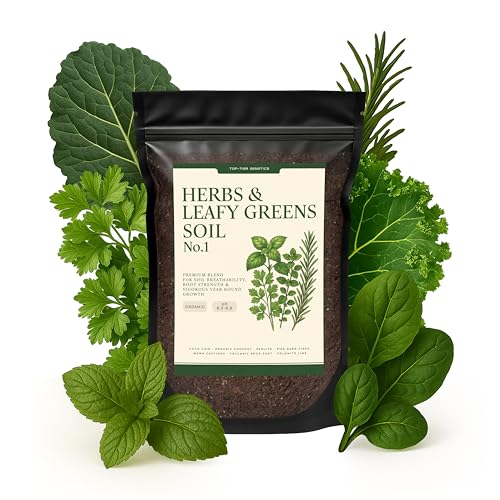
✔ VERSATILE BLEND: Premium potting mix specifically formulated for growing herbs and leafy greens indoors with optimal drainage and aeration
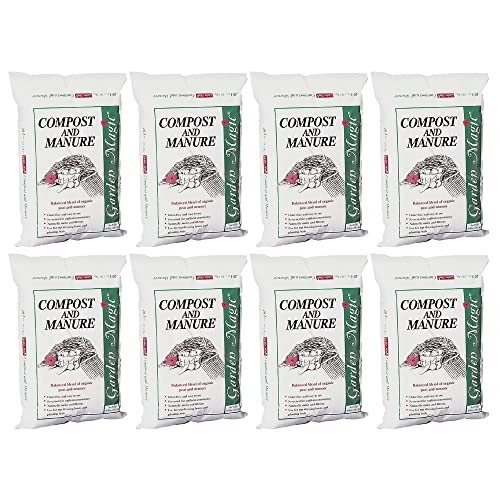
Premium Quality Garden Soil: Carefully curated mix of natural, organic reed sedge peat and compost animal manure provides your plants exceptional balance of nutrients

MasterBlend Lettuce Fertilizer Formula by PowerGrow Systems is fully Water Soluble
Drainage and Aeration
Good drainage and aeration are paramount for healthy lettuce roots. Too much water leads to root rot, while insufficient drainage hampers oxygen flow. You can improve drainage by mixing organic matter, like compost, into your soil.
Choosing raised beds enhances drainage by elevating the soil above moisture-prone areas. You might also consider using containers with drainage holes, allowing excess water to escape freely. Aim for soil that’s loose and crumbly—this promotes air circulation essential for root health.
Nutrient-Rich Soil Importance
Nutrient-rich soil fuels robust lettuce growth. Lettuce thrives in soil that contains essential nutrients such as nitrogen, phosphorus, and potassium. Testing your soil for nutrient levels helps you determine if amendments are required.
Incorporate compost or well-rotted manure into your soil to enhance fertility. This boosts nutrient levels while improving soil structure. Consider a balanced, slow-release fertilizer during planting to provide consistent nourishment throughout the growth cycle.
Monitoring your soil’s health leads to superior lettuce yields. Regularly check for signs of nutrient deficiencies, such as yellowing leaves or stunted growth, and adjust your fertilization practices accordingly.
Methods for Testing Soil Depth
Testing soil depth ensures optimal conditions for growing lettuce. Here are effective methods to assess your garden soil.
Recommended Products
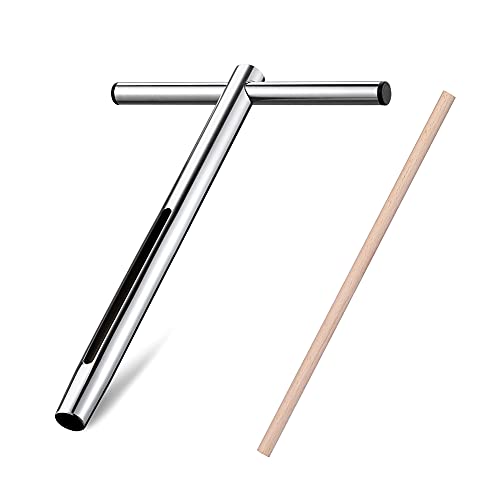
Easy to get Soil Sample out of Tube-Designed with special structure in tube tip, do not worry soil compacted and don’t worry soil clog up in tube, make it easy to take out soil from tube, and keeps original soil layers, you can quickly analyze soil profile such as: detect soil moisture, soil PH, determine which fertilizer to improve soil.
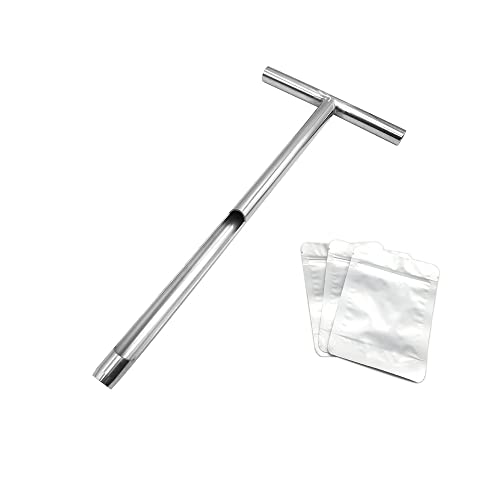
Test soil sample probe for gardens and lawn care maintenance,meet the needs of agriculture, forestry and golf courses.

Quick, at home results for Soil pH, Nitrogen, Phosphorous and Potash Innovative and inexpensive soil test kit features an easy-to-use capsule system and patented color comparators
Simple Techniques for Home Gardeners
- Use a Garden Trowel: Insert a trowel straight into the soil to feel its depth. Remove the soil and measure the depth with a ruler. Aim for at least 12 inches for most lettuce varieties.
- Soil Probe: If you have a soil probe, push it into the ground. This tool provides quick feedback on how deeply you can penetrate. A depth of 12 to 18 inches offers a good gauge for root growth.
- Digging Technique: Dig a small hole about 12 to 18 inches deep. Inspect the soil layers—topsoil, subsoil, and bedrock or hardpan. Make sure the topsoil layer is rich and deep.
- Water Drainage Test: Fill a hole with water; measure how long it takes to drain. Slow drainage indicates compacted or poor soil depth. Lettuce benefits from quick-draining light soils.
- Local Extension Services: Contact your local agricultural extension office. They offer soil testing services to analyze depth and overall health. Tests usually cover nutrient levels, pH, and texture.
- Private Soil Testing Labs: Choose a reliable laboratory for soil testing. Many labs provide detailed reports on soil composition and depth assessments. Follow their guidelines for sampling to ensure accurate results.
- Cost Considerations: Soil testing fees vary. Typical costs range from $10 to $100, depending on the scope of the analysis. It’s a small investment for the long-term success of your lettuce garden.
- Interpreting Results: After receiving your soil test report, review it thoroughly. Focus on recommended amendments to improve depth and fertility based on your garden’s specific needs.
Conclusion
Getting the soil depth right is key to growing healthy lettuce. By ensuring your soil is deep enough and rich in nutrients you set the stage for strong root development. Remember that good drainage and aeration play a big role in your lettuce’s success.
Take the time to test your soil and make adjustments as needed. Whether you choose to enhance your garden with organic matter or opt for raised beds the effort will pay off with a bountiful harvest. Happy gardening and enjoy those fresh salads!
Frequently Asked Questions
What is the ideal soil depth for growing lettuce?
Lettuce typically requires a soil depth of at least 12 inches for optimal growth. This depth allows for proper root development and access to moisture and nutrients.
How does soil type affect lettuce growth?
Soil type greatly influences lettuce growth. Well-draining, sandy loam soils are preferred as they provide good aeration, drainage, and nutrient retention, facilitating healthy root systems.
How can I enhance soil drainage for lettuce?
To improve soil drainage, incorporate organic matter like compost, use raised beds, or plant in containers. These methods increase soil structure and facilitate better water movement.
What tests can I do to check my soil depth?
You can check soil depth using a garden trowel, a soil probe, or a water drainage test. Each method helps assess how deep your soil is and its ability to drain.
Where can I get my soil tested for fertility?
Local extension services or private soil testing labs can provide comprehensive soil analysis. They help identify nutrient levels and recommend amendments tailored to your garden’s needs.
What role does soil fertility play in lettuce growth?
Soil fertility is crucial for lettuce as it provides essential nutrients for healthy plant development. Amending soil with compost or fertilizer helps to enhance nutrient availability.
