

Have you ever wanted to enjoy fresh, crispy red leaf lettuce right from your garden? Growing your own lettuce can be incredibly rewarding, but it can also feel overwhelming if you’re unsure where to start.
Key Takeaways
- Growing Conditions: Red leaf lettuce thrives in well-draining, organic-rich soil with a pH between 6.0 and 7.0, and requires at least 6 hours of sunlight daily.
- Ideal Temperature: The optimal temperature range for growing red leaf lettuce is between 55°F and 75°F; extremes can hinder growth and flavor.
- Watering and Maintenance: Keep the soil consistently moist without waterlogging. Use mulch to retain moisture and apply balanced fertilizer every few weeks.
- Pest Management: Regularly inspect plants for pests like aphids and slugs; utilize organic control methods to maintain plant health.
- Harvesting Tips: Harvest red leaf lettuce when it reaches 6 to 12 inches in height, using clean shears to cut outer leaves and promote continuous growth.
- Nutritional Benefits: Rich in vitamins A and K, as well as folate, red leaf lettuce is a nutritious addition to diverse meals.
Overview of Red Leaf Lettuce
Red leaf lettuce, known for its vibrant color and tender leaves, thrives in various growing conditions. You’ll find its slightly sweet taste and crisp texture appealing in salads and sandwiches. This variety grows best in cooler temperatures and can be sown directly into the soil or started indoors.
Nutritional Benefits
Red leaf lettuce offers numerous health benefits. It’s low in calories yet packed with essential vitamins and minerals. Key nutrients include:
- Vitamin A: Supports eye health and immune function.
- Vitamin K: Plays a role in bone health and blood clotting.
- Folate: Important for cell division and pregnancy health.
Growing Requirements
You need to provide specific conditions for thriving red leaf lettuce. Here are the essentials:
- Soil: Use well-draining soil enriched with organic matter.
- pH Level: Aim for a pH between 6.0 and 7.0.
- Light: Ensure it receives at least 6 hours of sunlight daily.
Ideal Temperature Range
Red leaf lettuce grows best in temperatures between 55°F and 75°F. High temperatures can lead to bolting, while frost can damage the crop. Planting in early spring or fall helps achieve optimal growth.
Watering and Maintenance
Proper watering and maintenance are crucial for healthy plants. Consider the following tips:
- Watering: Keep the soil consistently moist, but avoid waterlogged conditions.
- Mulching: Apply mulch to retain moisture and suppress weeds.
- Fertilizing: Use a balanced fertilizer every few weeks to encourage growth.
Pest and Disease Management
Monitor for common pests and diseases. Effective strategies include:
- Pests: Look for aphids, slugs, and caterpillars. Use organic pesticides or hand-picking methods for control.
- Diseases: Prevent fungal diseases by ensuring proper air circulation and avoiding overhead watering.
Growing red leaf lettuce not only provides fresh produce but also adds a splash of color to your meals. By following these guidelines, you can enjoy a successful harvest.
Ideal Growing Conditions
To grow healthy red leaf lettuce, specific conditions must be met. These include appropriate soil, light, and temperature.
Recommended Products


Rapitest, Soil Test Kit, Water Extraction Process, Capsule System, Unique Color Comparators

Contains components for 80 tests. 20 each for Soil pH, N, P and K
Soil Requirements
Red leaf lettuce thrives in well-draining soil rich in organic matter. Use a mix of compost and loamy soil for optimal results. Soil pH should range between 6.0 and 7.0. Test the soil using a pH kit and amend it as necessary. Adding a balanced fertilizer enhances nutrient availability. Aim for a soil texture that retains moisture without becoming waterlogged.
Light and Temperature
Red leaf lettuce prefers full sun, needing at least 6 hours of sunlight daily. When placed in partial shade, growth may slow and leaves may become leggy. Ideal temperatures range from 55°F to 75°F. If temperatures exceed 75°F, the lettuce might bolt, affecting taste and texture. Consider planting in early spring or fall for optimal conditions. Use row covers to shield plants from extreme heat or cold.
Planting Red Leaf Lettuce
Planting red leaf lettuce requires careful attention to details for optimal growth. Follow these steps to ensure your lettuce thrives.
Recommended Products

Healthy Food Source: Because of its tender flavor, lettuce is a popular vegetable for salad, sandwiches, wraps, soups, stir-fries and juice. There are over 20,000 seeds, 10 kinds of lettuce collection, including bibb, boston, iceberg, buttercrunch, grand rapids TBR, oakleaf, ruby leaf, cimmaron romaine and waldmann's

Red Leaf Lettuce (Lactuca sativa): Non-GMO heirloom yields large, ruffled deep-red loose-leaf heads with crisp texture and mild nutty flavor; ready in 45–55 days.
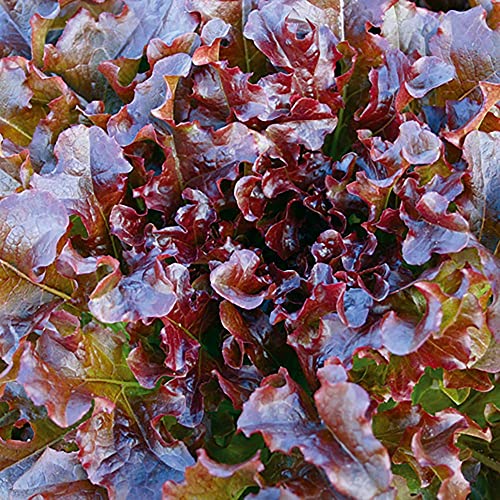
Red lettuce seeds garden seeds vegetable seeds bulk lettuce seeds
Seed Selection
Select high-quality seeds designed for red leaf lettuce. Look for varieties that are known for their vibrant color and disease resistance. Recommended varieties include ‘Red Romaine’ and ‘Lollo Rosso’. Check the packaging for information on growth habits and days to maturity, which typically range from 45 to 70 days.
- Prepare the Soil: Ensure the soil is well-draining and rich in organic matter. Mix in compost to improve nutrient content.
- Test the pH: Use a soil pH kit to confirm the level is between 6.0 and 7.0. Adjust as needed with lime or sulfur.
- Sow the Seeds: Plant seeds 1/4 to 1/2 inch deep, spacing them about 6 inches apart in rows. If direct sowing, do so when the soil temperature is consistently above 50°F.
- Water Gently: After planting, water the area gently to avoid displacing the seeds. Keep the soil consistently moist but not waterlogged.
- Mulch: Apply a light layer of mulch around the plants to retain moisture and suppress weeds.
You can also start seeds indoors 4 to 6 weeks before the last frost date. Transplant seedlings outdoors when they’re about 3 inches tall and the risk of frost has passed.
Care and Maintenance
Caring for red leaf lettuce involves regular attention to watering and managing pests and diseases. Following the right practices keeps your plants healthy and productive.
Recommended Products

Slowly waters the soil around your plants for complete root zone hydration; Ideal for short runs on flat surfaces, such as vegetable gardens, borders, and around small plants

Higher Cost Performance Provide: enough length soaker hoses to get higher cost performance,and our 1/4 " diameter soaker hose set not only include 100 Ft length soaker hose but also include a rich range of accessories for a variety of uses,help you make custom length soaker hoses cheap & easy.

【Even & Consistent Root Watering】Features micro-pore seepage technology that distributes water evenly along the entire hose, transforming spot watering into uniform line watering directly to plant roots. Unlike traditional drip irrigation systems with clog-prone emitters, this soaker hose creates a continuous moisture band for healthier, deeper-rooted plants
Watering Guidelines
Water red leaf lettuce consistently to maintain soil moisture. Aim to provide about 1 to 1.5 inches of water each week. It’s best to water early in the morning or late in the afternoon to reduce evaporation. Monitor the soil; if the top inch feels dry, it’s time to water. Avoid overhead watering, which can promote disease. Instead, use a soaker hose or drip irrigation to keep leaves dry and healthy.
Pest and Disease Management
Check your plants regularly for pests like aphids and slugs. Use barriers like row covers or hand-picking to control them. If infestations occur, insecticidal soap or neem oil can help. Prevent diseases by ensuring adequate air circulation; avoid overcrowding your plants. Water at the base of the plant, not the leaves, to minimize fungal disease risk. Rotate crops each year to interrupt pest and disease cycles, improving overall plant health.
Harvesting Red Leaf Lettuce
Harvesting red leaf lettuce ensures you enjoy the freshest greens. It’s important to know when and how to harvest for the best flavor and texture.
Signs of Maturity
You can tell red leaf lettuce is ready for harvest when it reaches about 6 to 12 inches in height. Look for vibrant leaves that are tender and crinkled. The color should be deep red or purple, indicating optimal nutrients. If the leaves start to develop a bitter taste or the plant begins to bolt, it means it’s past its prime. Generally, this happens when temperatures exceed 75°F for extended periods.
Harvesting Techniques
Use sharp garden shears or scissors to cut the outer leaves, starting from the bottom. Aim to leave the inner leaves intact so the plant can continue producing. Cut about 1 to 2 inches above the soil line to encourage new growth. For a full head harvest, pull the entire plant out of the ground, ensuring that the root system detaches cleanly.
Harvest in the morning for the best taste, as cooler temperatures help retain moisture. Store harvested leaves in a plastic bag or container in the refrigerator to keep them fresh for longer. Enjoy your vibrant greens in salads, sandwiches, or as a garnish.
Conclusion
Growing red leaf lettuce can be a fun and rewarding experience. With the right care and attention, you’ll soon enjoy the satisfaction of harvesting your own fresh greens. Remember to keep an eye on the soil conditions and maintain consistent moisture to help your plants thrive.
Don’t forget to check for pests and diseases regularly to keep your lettuce healthy. Once you’ve mastered the basics, you might find yourself experimenting with different varieties or even expanding your garden. So grab those seeds and get started on your journey to delicious homegrown red leaf lettuce!
Frequently Asked Questions
How do I start growing red leaf lettuce?
To start growing red leaf lettuce, choose a spot that gets at least 6 hours of sunlight daily. Prepare well-draining soil with a pH of 6.0 to 7.0 and enrich it with compost. You can plant seeds directly outdoors in early spring or fall, or start them indoors before transplanting.
What are the ideal conditions for red leaf lettuce?
Red leaf lettuce thrives in temperatures between 55°F and 75°F. It requires well-draining, nutrient-rich soil for optimal growth and should be watered consistently to keep the soil moist, around 1 to 1.5 inches per week.
How often should I water red leaf lettuce?
Water red leaf lettuce about 1 to 1.5 inches per week, ensuring the soil remains consistently moist. It’s best to water early in the morning or late afternoon to minimize evaporation.
When is the best time to harvest red leaf lettuce?
The best time to harvest red leaf lettuce is when it reaches 6 to 12 inches tall and has vibrant, tender leaves. Harvest in the morning for the best flavor, cutting the outer leaves while leaving the inner ones to encourage further growth.
How can I manage pests and diseases while growing lettuce?
Regularly check your plants for pests like aphids and slugs. Use barriers, insecticidal soap, or neem oil as needed. Ensure proper air circulation and avoid overcrowding to minimize disease risk. Crop rotation can also improve overall plant health.
