

Wondering how often you should water your lettuce seeds? You’re not alone. Many new gardeners struggle with finding that perfect balance between keeping seeds moist and overwatering, which can lead to rot.
Getting it right is crucial for a healthy crop. If you water too little, your seeds won’t germinate. Water too much, and you risk drowning them. In this article, you’ll discover simple guidelines to help you nurture your lettuce seeds without the guesswork. With a little knowledge, you’ll be on your way to a thriving garden in no time.
Key Takeaways
- Understanding Soil Needs: Lettuce seeds thrive in well-draining, nutrient-rich soil with a pH of 6.0 to 7.0. Use loamy or sandy mixes for optimal moisture retention.
- Moisture Management: Consistently keep the soil moist but not waterlogged. Initial watering should be about 1-2 inches to activate the seeds.
- Adjust Watering Frequency: Water every 2-3 days during dry spells, but frequency should vary based on soil type: sandy soils require watering every 1-2 days, while clay soils need water every 3-4 days.
- Observe Environmental Conditions: Weather conditions significantly influence watering needs. Increase frequency during hot, sunny days and decrease during cooler, overcast days.
- Recognize Stress Signs: Look for signs of overwatering (yellowing, wilting) or underwatering (drooping, brittle leaves) to adjust care promptly.
- Utilize Tools for Precision: Use a moisture meter or check soil moisture with your finger to better regulate your watering schedule and ensure healthy seed germination.
Understanding Lettuce Seed Germination
Understanding the germination process for lettuce seeds is crucial for successful gardening. Germination requires specific soil conditions, temperature, and light.
Ideal Soil Conditions
Lettuce seeds thrive in well-draining, nutrient-rich soil. Use a mix that retains moisture without becoming soggy. Here are key soil tips:
- pH Level: Aim for a pH between 6.0 and 7.0 for optimal growth.
- Soil Type: Choose loamy or sandy soils that allow good air circulation.
- Amendments: Incorporate organic matter, such as compost, to boost nutrients.
Keeping the soil consistently moist without over-saturating it promotes better germination rates.
Temperature and Light Requirements
Temperature and light play vital roles in lettuce seed germination.
- Temperature: Ideal germination occurs between 60°F and 70°F. Lower or higher temperatures can slow or prevent germination.
- Light Conditions: Lettuce seeds require light for successful germination. Scatter seeds on the soil surface and lightly press them in rather than covering them completely.
Position your seed trays or garden beds in a location that gets adequate sunlight, ensuring the seeds receive at least 12-16 hours of light daily for best results.
Factors Influencing Watering Frequency
Understanding what influences how often you water lettuce seeds helps you maintain optimal conditions for germination and growth. Two key factors are soil type and drainage, as well as weather conditions.
Recommended Products
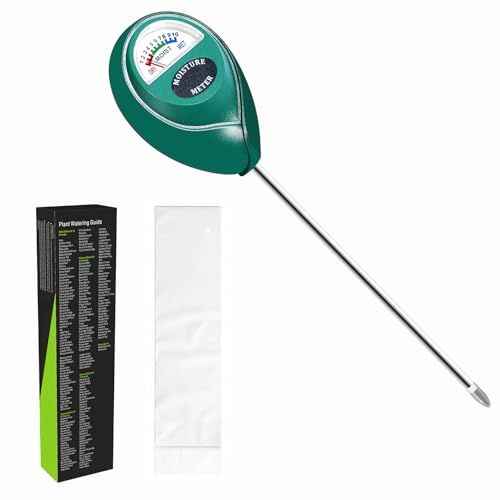
Trusted Since 2015: Become one of the many plant lovers who rely on the proven accuracy of XLUX. Established in 2015, our soil moisture meter has earned over 60,000+ verified ratings for its consistent performance. While many many newer brands come and go, we provide the long-term reliability and quality that American households have trusted for over a decade.
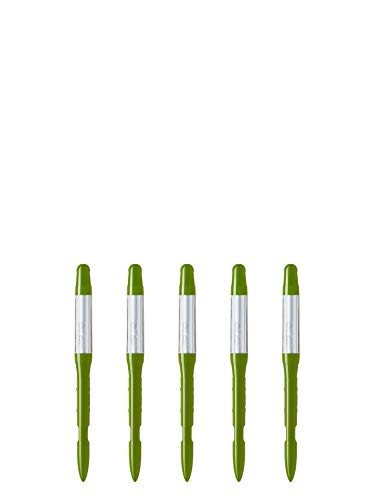
Dimensions: 0.4 x 0.3 x 4.7 inches (small) - Intended for pot sizes of 2, 2.5, and 3 - Ideal for small succulents

Accurate Soil Moisture Detection: The XLUX Soil Moisture Meter can tell you if the soil deep inside your pot or garden is dry, moist or wet; whereas your eyes and fingers can only determine the moisture level of the soil surface. The probe is 5.5 inches (14 cm) longer than regular styles, allowing it to measure the soil moisture at the bottom of larger and deeper flower pots.
Soil Type and Drainage
Soil type dramatically affects moisture retention. Sandy soils drain quickly, meaning you need to water more frequently to keep the seeds moist. Conversely, clay soils hold moisture longer, so you should water less often.
Using a well-draining soil mix is ideal. Aim for a loamy or sandy soil combination. This maintains moisture without waterlogged conditions, which can harm seeds. Check the soil’s moisture by sticking a finger about an inch deep; if it feels dry, it’s time to water.
Weather Conditions
Weather plays a significant role in determining watering frequency. Hot, sunny days can dry out soil quickly. During these times, you might need to water every 1-2 days. Overcast or cooler days require less frequent watering, approximately every 3-4 days.
Additionally, wind can increase evaporation, making it essential to monitor soil moisture more closely on windy days. Adjust your watering routine based on these conditions to ensure consistent moisture for your lettuce seeds.
General Guidelines for Watering Lettuce Seeds
Watering lettuce seeds correctly is vital for achieving healthy germination and growth. Following a few straightforward rules helps you maintain the right moisture balance without oversaturating the soil.
Recommended Products

HELPS REGULATE SOIL MOISTURE: Miracle-Gro Organic Indoor Potting Soil Mix is an organic potting soil that protects indoor plants against over and under watering

Miracle-Gro Indoor Potting Mix for Seed Starting grows stronger roots for seeding success (vs unfed when used as directed)

Includes Back to the Roots Compressed Seed Starting Potting Mix that expands to 12qt of soil. A balanced pH, which means it’s truly all-purpose. Use alone or as an amendment for anything in a pot or in the ground — vegetables, flowers, herbs, and even starting seeds.
Initial Watering After Sowing
After planting your lettuce seeds, water them gently to keep the soil moist. Aim to provide about 1-2 inches of water immediately. Use a fine spray or watering can to avoid displacing the seeds. This initial watering activates the seeds and begins their germination process.
Check the moisture level daily for the first week. If the surface of the soil feels dry, add more water. It’s essential to keep the soil consistently moist during this crucial phase.
Maintenance Watering Schedule
Establish a regular watering routine once your seeds germinate. For optimal growth, water every 2-3 days during dry spells or hot weather. Adjust this frequency based on soil moisture and weather conditions.
- Sandy Soil: Requires more frequent watering, usually every 1-2 days.
- Clay Soil: Retains moisture longer. Watering every 3-4 days suffices.
- Humidity Levels: Increase watering during dry, sunny days; decrease on cool, cloudy days.
Always check the soil moisture by inserting your finger about an inch deep. If it feels dry, it’s time to water. Adjusting your watering schedule allows you to maintain the perfect moisture level for your lettuce seeds.
Signs of Overwatering and Underwatering
Recognizing the correct watering balance for lettuce seeds is crucial. Overwatering and underwatering can lead to plant stress and hinder growth.
Identifying Plant Stress
Identifying stress signs early prevents further issues. Common signs of overwatering include:
- Yellowing Leaves: Excess water can cause leaves to turn yellow and become mushy.
- Wilting: Overwatered seedlings may wilt due to root suffocation.
- Brown Root Tips: Roots in overly saturated soil may develop brown tips, indicating rot.
Underwatering presents different signs, such as:
- Drooping Leaves: Lack of moisture can cause leaves to droop and appear limp.
- Brittle Leaves: Leaves may feel dry and brittle, signaling immediate hydration is needed.
- Slow Growth: If growth appears stunted, roots may not be accessing enough water.
Regularly observing your seedlings helps catch these signs early.
Adjusting Watering Practices
Adjusting your watering practices based on observed signs can improve seed health.
- Modify Frequency: Increase watering frequency during hot, dry spells. Conversely, reduce it during cooler, humid conditions.
- Check Soil Moisture: Stick your finger about an inch into the soil. If it feels dry, it’s time to water. If it’s wet, hold off for a day or two.
- Use a Moisture Meter: Invest in a moisture meter for more precise measurements. This tool can guide your watering schedule effectively.
- Water Deeply: When you do water, ensure the moisture reaches the root zone. This encourages deeper root growth and is crucial for sustainability.
- Observe Drainage: Ensure pots or garden beds have proper drainage. Adjust watering if water pools or drains too slowly.
Implementing these practices fosters a healthier growth environment for your lettuce seeds.
Conclusion
Getting the watering right for your lettuce seeds can make all the difference in their growth. By keeping an eye on soil moisture and adjusting your watering routine based on the conditions around you, you’ll set your seeds up for success. Remember to look out for signs of overwatering or underwatering to keep your plants healthy.
With a little patience and attention, you’ll soon enjoy a bountiful harvest of fresh lettuce. Happy gardening and enjoy watching your seeds thrive!
Frequently Asked Questions
How often should I water lettuce seeds?
For lettuce seeds, aim to keep the soil consistently moist but not soggy. Generally, water every 1-2 days for sandy soils and every 3-4 days for clay soils. Always check soil moisture by inserting your finger about an inch deep to ensure it’s not too dry or too wet.
What soil conditions are best for germinating lettuce seeds?
The ideal soil for lettuce should be well-draining, nutrient-rich, and have a pH between 6.0 and 7.0. Loamy or sandy soils are preferred, and incorporating organic matter like compost can improve soil quality for better germination rates.
What temperature is optimal for germinating lettuce seeds?
Lettuce seeds germinate best at temperatures between 60°F and 70°F. Maintaining this temperature range can significantly improve germination success and overall seedling health.
How can I tell if I am overwatering or underwatering my lettuce seeds?
Signs of overwatering include yellowing leaves, wilting, and brown root tips, while underwatering may cause drooping and brittle leaves. Regularly check your seedlings for these signs to adjust your watering practices as needed.
Why is light important for germinating lettuce seeds?
Lettuce seeds require at least 12-16 hours of light daily to germinate successfully. Providing adequate light supports healthy seed growth and ensures better germination rates.
How do weather conditions affect watering frequency for lettuce seeds?
Hot, sunny weather may need watering every 1-2 days, while cooler or cloudy days might require watering every 3-4 days. Windy conditions can increase evaporation, so always monitor soil moisture to adapt your watering routine accordingly.
What should I do if my lettuce seedlings are not growing well?
Observe your seedlings for signs of stress caused by overwatering or underwatering, and adjust your watering schedule accordingly. Also, ensure they’re getting proper light, temperature, and nutrient-rich soil for optimal growth.
