

Have you ever wished you could grow fresh greens even in the tightest spaces? If you’re short on garden space or just want a fun project, growing lettuce vertically might be the perfect solution. It’s a simple way to maximize your yield while adding a splash of green to your home or balcony.
Key Takeaways
- Vertical Gardening Maximizes Space: Utilize stacking planters, trellises, and wall-mounted systems to effectively grow lettuce in small areas, making it ideal for balconies and patios.
- Improved Accessibility: Elevating your lettuce plants minimizes bending and back strain, making it easier to care for your greens.
- Optimal Airflow and Disease Prevention: Vertical setups encourage better air circulation around plants, reducing the risk of mold and pests for healthier crops.
- Select Ideal Lettuce Varieties: Leafy greens like Butterhead and Romaine are perfect for vertical gardening, as they thrive in limited spaces and offer quick harvest times.
- Implement Effective Care Practices: Consistently monitor watering needs and manage pests through organic treatments to maintain healthy, vibrant lettuce plants.
- Consider Hydroponics for Rapid Growth: Explore hydroponic systems that provide direct nutrient access, promoting faster growth and high yields for your lettuce crop.
Understanding Vertical Gardening
Vertical gardening focuses on growing plants in a vertical space. You can maximize your gardening area by using walls, trellises, or containers. This method promotes better air circulation and light exposure for your lettuce.
Benefits of Vertical Gardening
- Space-Saving: Vertical gardening is ideal for small areas like balconies or patios. It allows you to grow several lettuce plants without taking up much ground space.
- Accessibility: Elevating your plants makes them easier to tend to. You can reach your lettuce without bending over, reducing strain on your back.
- Aesthetic Appeal: Vertical gardens add visual interest to your outdoor space. The lush greenery of lettuce can enhance any environment.
Key Techniques
- Using Stacking Planters: Stacking planters provide multiple levels for planting. Each tier holds several lettuce plants, maximizing your yield.
- Employing Trellises: Trellises offer excellent support for climbing plants, but they can also be adapted for greens. Use netting or string to guide lettuce varieties that can benefit from vertical growth.
- Wall-Mounted Systems: Install wall-mounted systems that include pockets or shelves for planting. These systems deliver a garden look while conserving floor space.
Essential Tools
- Growing Medium: Choose a lightweight potting mix designed for vertical gardens. Ensure it retains moisture while providing good drainage for your lettuce.
- Watering System: Implement a drip irrigation system or self-watering containers. This approach simplifies watering and keeps soil consistently moist.
- Sunlight Sources: Determine sunlight accessibility for your vertical garden. Most lettuce varieties thrive in 12 to 16 hours of light daily.
- How Much Water Does Lettuce Need?: Lettuce requires consistent moisture. Water daily if the soil feels dry.
- What Varieties Work Best?: Leafy greens, like romaine and butterhead lettuce, adapt well to vertical gardens. Their compact size makes them perfect for this method.
By understanding the principles of vertical gardening, you’ll enhance your lettuce-growing experience, ensuring a thriving and productive garden in limited spaces.
Benefits Of Growing Lettuce Vertically
Growing lettuce vertically offers numerous advantages that enhance your gardening experience. By utilizing this method, you maximize your yield while enjoying fresh, tasty greens.
Space Efficiency
Space efficiency ranks high among the benefits of vertical gardening. Vertical systems allow you to use limited space effectively. You can fit more plants in small areas, like balconies or patios. Stacking planters or wall-mounted systems help you grow multiple layers of lettuce. This design means you won’t need a large garden plot to cultivate a variety of greens.
Enhanced Airflow
Enhanced airflow promotes healthy growth for your lettuce. Vertical setups create better circulation around your plants. Increased airflow reduces the risk of mold and pests, contributing to healthier crops. In addition, this airflow leads to faster drying of leaves after watering or rain. Healthy, dry leaves are less prone to disease, resulting in a more robust harvest.
Selecting The Right Lettuce Varieties
Choosing the right lettuce varieties for vertical gardening enhances your success. Consider growth habits, flavors, and harvest times when selecting.
Recommended Products

USDA Certified Organic by Oregon Tilth
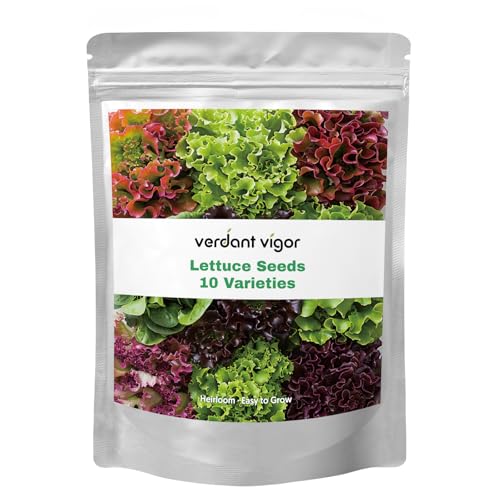
Healthy Food Source: Because of its tender flavor, lettuce is a popular vegetable for salad, sandwiches, wraps, soups, stir-fries and juice. There are over 20,000 seeds, 10 kinds of lettuce collection, including bibb, boston, iceberg, buttercrunch, grand rapids TBR, oakleaf, ruby leaf, cimmaron romaine and waldmann's

CLASSIC HEIRLOOM LETTUCE SEEDS – Black-seeded Simpson is a beloved loose-leaf lettuce with light green ruffled leaves and sweet mild taste, ideal for fresh salads and easy harvests from spring through fall
Leaf Lettuce
Leaf lettuce varieties thrive in vertical gardens. Options like Butterhead and Oak Leaf produce tender, flavorful leaves quickly.
- Butterhead: This variety features soft, buttery-textured leaves and grows well in smaller spaces.
- Oak Leaf: With its lobed leaves, it adds visual interest and offers a crisp texture.
Both types grow in about 30 to 45 days, giving you fresh greens in a short time. Ensure these varieties receive plenty of light and proper watering for optimal growth.
Romaine Lettuce
Romaine lettuce works well vertically due to its upright growth habit. Varieties like ‘Paris Island Cos’ and ‘Little Gem’ are excellent choices.
- Paris Island Cos: Known for its rich flavor and crunchy texture, this variety grows tall, maximizing space efficiently.
- Little Gem: Compact in size but full of flavor, it matures in around 50 days, making it a great option for smaller setups.
Keep these lettuces spaced properly to ensure good air circulation, which helps prevent pests and diseases.
Vertical Gardening Techniques
Vertical gardening techniques maximize space and efficiency while growing lettuce. Several methods can help you achieve lush greens in limited areas.
Recommended Products

SPACE-SAVING COUNTERTOP HYDROPONIC GARDEN: Compact hydroponic garden tucks neatly under cabinets or on narrow countertops, turning unused nooks into a productive indoor gardening system for small homes and busy cooks.

Has All You’ll Need - This salad greens seed pod kit comes with everything you’ll need for your hydroponics garden: 6 types of heirloom NON-GMO seeds (Red Romaine Lettuce, Green Romaine Lettuce, American Fast Lettuce, Buttercrunch Lettuce, Parris Island Lettuce, Spinach), 7 grow sponges, 7 grow domes, 7 grow baskets, 8 foil stickers, and A&B Plant Nutrients. Get this kit and gain endless harvests!

High Yield and Quality: Soilless cultivation with nutrient film can meet the production potential of crops; Compared with traditional soil cultivation, the yield can be doubled with requiring less water and less space
Hydroponics
Hydroponics involves growing plants without soil, using nutrient-rich water instead. You can set up a simple hydroponic system at home to grow lettuce effectively.
- Choose a System: Options include deep water culture, nutrient film technique, or wick systems. Pick one that fits your space and skill level.
- Select Your Nutrients: Use a balanced hydroponic nutrient solution specifically formulated for leafy greens.
- Monitor pH Levels: Maintain a pH range of 5.5 to 6.5 for optimal nutrient absorption.
- Light Requirements: Provide 12-16 hours of light daily, using LED grow lights if necessary.
- Check Water Levels: Ensure the water level remains consistent, replenishing as needed.
Hydroponics encourages rapid growth due to direct nutrient access, making it a great choice for lettuce.
Stacked Planters
Stacked planters offer a straightforward and efficient way to utilize vertical space. You can create a visually appealing garden while maximizing your yield.
- Select Planters: Use modular or pre-made stacking systems. Look for ones with adequate drainage.
- Plant Arrangement: Consider using smaller planters for shorter lettuce varieties at the top and larger ones below.
- Soil Mix: Use a lightweight, well-aerated potting mix designed for container gardening.
- Watering Strategy: Water the top planter first, allowing excess water to flow downward and hydrate the lower layers.
- Positioning: Place your stacked planters in a spot with at least six hours of sunlight each day.
Stacked planters not only save space but also create an eye-catching display of greenery, making your gardening area more inviting.
Care And Maintenance
Caring for your vertically grown lettuce involves proper watering and pest control. Maintaining these aspects ensures healthy, vibrant plants.
Watering Requirements
Water consistently to keep soil moisture levels stable. Aim for about 1 inch of water per week, adjusting for temperature and humidity. Check the soil with your finger; if it feels dry up to an inch down, it’s time to water. Use a drip irrigation system or a watering can with a narrow spout for precision. Avoid getting water on the leaves to reduce the risk of fungal diseases. In hot weather, you might need to water more frequently to prevent the leaves from wilting. Consider using a moisture meter for accurate readings.
Pest Control
Monitor your lettuce regularly for pests like aphids, snails, and whiteflies. If you notice any, act quickly. Handpicking pests is effective for small infestations. For larger problems, use insecticidal soap or neem oil as organic treatments. Release beneficial insects, like ladybugs or lacewings, to help control pests naturally. Make sure to inspect all parts of the plant, especially the undersides of leaves, where pests often hide. Implementing companion planting can also deter pests and promote a healthy growing environment.
Conclusion
Growing lettuce vertically is a fun and rewarding way to make the most of your space. With the right techniques and care you can enjoy fresh greens right from your own garden. Whether you choose stacking planters or a hydroponic setup you’ll find that the beauty of vertical gardening goes beyond just aesthetics.
Stay consistent with your watering and keep an eye out for pests to ensure your lettuce thrives. Remember to experiment with different varieties and companion plants to create a vibrant and productive garden. Embrace the journey of vertical gardening and enjoy the delicious rewards of your efforts. Happy gardening!
Frequently Asked Questions
What are the benefits of vertical gardening for lettuce?
Vertical gardening optimizes space, making it ideal for small areas. It enhances air circulation, reduces pests, and can increase your yield. Plus, it adds aesthetic value to any environment.
How can I start vertical gardening for lettuce at home?
Begin by choosing suitable stacking planters or hydroponic systems. Ensure proper sunlight and select high-quality lettuce seeds. Follow a structured plan for care and maintenance to maximize your garden’s potential.
What tools do I need for vertical lettuce gardening?
Essential tools include lightweight planters, a watering can with a long spout, gardening gloves, soil or hydroponic medium, and organic pest control products. Basic gardening tools like scissors may also help.
How often should I water my vertical lettuce garden?
Water your lettuce consistently, aiming for a balance between moist and dry soil. Typically, this means watering every few days, but check the soil’s moisture level to prevent over/under-watering.
What pest control measures should I take?
Regularly monitor your plants for pests and use organic treatments, such as neem oil or insecticidal soap. Companion planting can also help deter unwanted insects and promote healthy growth.
Can I grow lettuce without soil?
Yes! Hydroponic systems allow you to grow lettuce without soil, using nutrient-rich water instead. This method can lead to faster growth and higher yields in limited spaces.
How do I maintain good airflow in my vertical garden?
Proper spacing between plants is critical for airflow. Arrange your planters and foliage to prevent overcrowding, and periodically prune leaves to enhance ventilation and light penetration.
What are organic pest treatment options for lettuce?
Consider using neem oil, insecticidal soap, or diatomaceous earth. These natural treatments effectively manage pests without harmful chemicals, supporting a healthier garden environment.
