

Have you ever wondered if you can grow lettuce when the temperatures soar? Many gardeners face this challenge during the summer months when the heat seems relentless. It can be frustrating to see your leafy greens struggle while you’re eager for fresh salads.
Key Takeaways
- Ideal Temperature for Lettuce: Lettuce grows best in temperatures between 60°F and 70°F; above 75°F can lead to stress and bolting.
- Heat-Resistant Varieties: Choose varieties like Butterhead, Romaine, and heat-tolerant hybrids that withstand high temperatures better than standard types.
- Planting Timing: For success, plant lettuce seeds in early spring or late summer to avoid peak heat, allowing for a fall harvest.
- Soil and Water Management: Use well-draining soil, apply mulch, and ensure consistent watering (about 1 inch per week) to maintain moisture levels.
- Pest and Disease Monitoring: Regularly inspect for pests like aphids and spider mites, and maintain good air circulation to prevent diseases like powdery mildew.
- Effective Irrigation Techniques: Consider drip irrigation to target root zones directly and reduce water waste while keeping foliage dry.
Understanding Lettuce Growth Conditions
Growing lettuce in hot weather poses specific challenges. Understanding the ideal conditions for lettuce can help you make the best choices for your garden.
Ideal Temperature Ranges for Lettuce
Lettuce thrives in cooler temperatures. The optimal range is between 60°F and 70°F. At this temperature, lettuce growth is robust, leading to crisp leaves and a rich flavor. Temperatures above 75°F can stress the plants, leading to bolting. If nighttime temperatures exceed 65°F, growth slows significantly. You may want to consider planting heat-tolerant varieties, such as Butterhead or Romaine, if temperatures hover near the upper limit.
Effects of Heat on Lettuce Growth
Heat directly impacts lettuce health. Prolonged exposure to high temperatures causes bolting, where the plant prematurely goes to seed, resulting in a bitter taste. Additionally, leaves may become wilted or develop a tough texture. Keeping lettuce well-watered in hot conditions helps mitigate these effects. Providing shade, such as using shade cloth, can also shield your plants from harsh sunlight during peak heat hours. Another effective strategy includes planting in early spring or late summer to avoid the hottest months altogether.
Types of Lettuce and Their Heat Tolerance
Understanding the types of lettuce suitable for hot weather can enhance your gardening success. Some varieties are specifically bred to withstand elevated temperatures, making them ideal options when growing in warmer climates.
Recommended Products

CLASSIC HEIRLOOM LETTUCE SEEDS – Black-seeded Simpson is a beloved loose-leaf lettuce with light green ruffled leaves and sweet mild taste, ideal for fresh salads and easy harvests from spring through fall

2,500 PREMIUM SEEDS: A generous collection of 2,500 high-quality Buttercrunch Lettuce seeds—perfect for gardeners seeking abundant, tender, and reliably crisp greens.
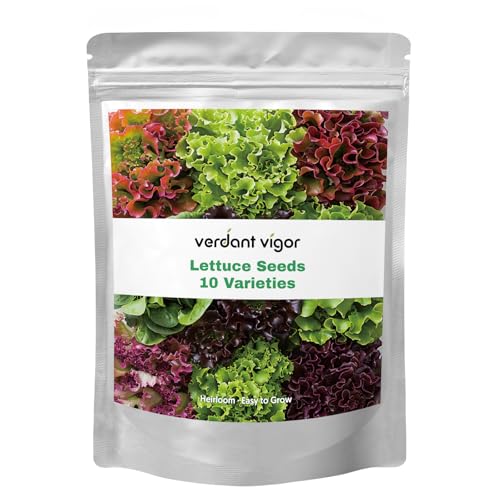
Healthy Food Source: Because of its tender flavor, lettuce is a popular vegetable for salad, sandwiches, wraps, soups, stir-fries and juice. There are over 20,000 seeds, 10 kinds of lettuce collection, including bibb, boston, iceberg, buttercrunch, grand rapids TBR, oakleaf, ruby leaf, cimmaron romaine and waldmann's
Heat-Resistant Lettuce Varieties
- Butterhead Lettuce
Butterhead varieties, like ‘Bibb’ and ‘Boston,’ display some heat tolerance, maintaining flavor and texture even in warmer conditions. - Romaine Lettuce
Romaine types, such as ‘Parris Island Cos,’ thrive in heat, offering robust leaves that remain crisp and flavorful throughout the summer. - Looseleaf Lettuce
Looseleaf varieties, including ‘Red Romaine’ and ‘Buttercrunch,’ adapt well to heat, allowing for continuous harvests while minimizing bitterness. - Heat-Tolerant Hybrids
Hybrid varieties, like ‘Summer Crisp,’ are specifically developed for warm climates, exhibiting better resilience against bolting and undesirable textures.
- ‘Summer Bibb’
This variety features tender leaves that remain sweet, even during hotter months, making it a top choice for summer harvesting. - ‘Little Gem’
‘Little Gem’ showcases a compact growth habit and handles heat well, producing flavorful heads in a small space. - ‘Salad Bowl’
Known for its frilly leaves, ‘Salad Bowl’ can tolerate heat, providing a continuous harvest and a pleasant taste throughout the summer. - ‘Lollo Rossa’
This striking variety offers a unique appearance and retains its flavor under heat stress, enhancing both salads and garnishes.
Selecting the right lettuce varieties can significantly impact your success in growing lettuce in hot weather. Consider these heat-resistant types to optimize your gardening experience.
Strategies for Growing Lettuce in Hot Weather
Growing lettuce in hot weather can be challenging, but with the right strategies, you can enjoy a successful harvest. Implementing specific techniques helps maintain growth and flavor even in high temperatures.
Choosing the Right Time to Plant
Timing matters when growing lettuce in warm conditions. Plant seeds in early spring or late summer to avoid peak heat. Replanting during late summer allows for a fall harvest, which often provides cooler temperatures. For continuous harvest, consider staggered planting every two to three weeks.
Soil and Water Management Tips
Managing soil and water effectively promotes healthy lettuce growth in hot weather.
- Soil Preparation: Use well-draining soil with good organic content. Incorporate compost to retain moisture.
- Mulching: Apply organic mulch around the base of the plants to reduce soil temperature. This method also slows down evaporation.
- Watering: Water deeply and consistently, aiming for about 1 inch of water per week. Water early in the morning to minimize evaporation and fungal diseases.
- Drip Irrigation: Install drip irrigation systems to provide targeted watering at the plant’s roots, reducing water waste and protecting foliage.
These strategies will help ensure your lettuce thrives in hot weather.
Common Challenges and Solutions
Growing lettuce in hot weather presents unique challenges. Understanding these issues helps you cultivate healthier plants.
Recommended Products

PEST DEFENSE - Insecticidal Super Soap controls species of adelgid, ant, aphid, borer, caterpillar, spider mite, cricket, chinch bug, weevil, fly, thrip, & more.

READY-TO-USE CONTACT SPRAY: No mixing required. Thoroughly spray insecticide on all plant parts, including the underside of leaves. Pests must be sprayed directly to achieve control
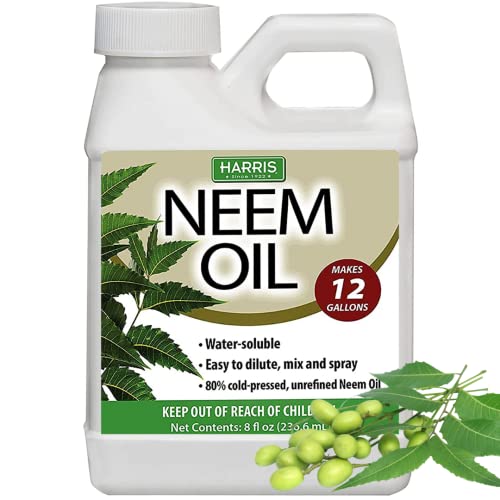
Cold-Pressed Neem Oil is a potent natural solution, ideal for maintaining healthy plants
Pests and Diseases in Hot Weather
Hot temperatures create a favorable environment for pests and diseases. Common pests include aphids, spider mites, and whiteflies. These pests thrive in warm conditions, making early detection crucial. Check for signs of infestation such as discoloration or spots on leaves.
To manage pests effectively, consider these strategies:
- Regular Inspection: Examine your plants routinely for any changes.
- Natural Predators: Introduce beneficial insects like ladybugs to control pest populations.
- Organic Insecticides: Use products with neem oil or insecticidal soap for targeted treatment.
- Crop Rotation: Change your planting location each season to disrupt pest life cycles.
Diseases like powdery mildew also increase in hot weather. Ensure good air circulation around your plants. Space them adequately to prevent humidity build-up.
Maintaining Ideal Soil Moisture
Maintaining soil moisture is essential for lettuce in high temperatures. Lettuce thrives in consistently moist soil but can suffer from drought stress. Follow these tips to retain moisture:
- Mulching: Apply a layer of organic mulch such as straw or wood chips. This reduces evaporation and keeps the root zone cool.
- Drip Irrigation: Use a drip irrigation system to deliver water directly to the root zone. This method limits water waste and minimizes leaf wetness.
- Watering Schedule: Water early in the morning or late in the evening to reduce evaporation. Aim for about 1-2 inches of water per week, adjusting based on rainfall.
These practices not only support healthy growth but also enhance flavor by preventing stress-induced bitterness.
Conclusion
Growing lettuce in hot weather may seem tricky but with the right approach you can enjoy a bountiful harvest. By choosing heat-tolerant varieties and staying vigilant against pests you’ll be setting yourself up for success.
Don’t forget to keep your soil moist and use techniques like mulching to protect your plants. With a little care and attention you can savor fresh crisp lettuce even during those warm summer months. Happy gardening!
Frequently Asked Questions
What challenges does hot weather pose for growing lettuce?
Growing lettuce in hot weather can lead to bolting, wilting, and poor flavor. High temperatures can stress the plants, making them more susceptible to pests and diseases.
Which lettuce varieties are best for hot climates?
Heat-tolerant varieties such as Butterhead and Romaine are ideal for warm climates. These types are better at withstanding high temperatures and maintaining flavor.
How can I control pests when growing lettuce in hot weather?
Regular inspections are key to pest control. You can introduce natural predators, such as ladybugs and lacewings, to help manage pest populations effectively.
What soil preparation is recommended for heat-tolerant lettuce?
Proper soil preparation involves enriching the soil with organic matter to enhance drainage and moisture retention, which is crucial for growing lettuce in hot weather.
How can I maintain ideal soil moisture for lettuce?
To maintain soil moisture, use mulch to reduce evaporation, implement drip irrigation for consistent moisture, and establish a proper watering schedule to prevent drought stress.
