

Have you ever wanted to grow your own fresh lettuce but felt unsure about the best way to do it in South Florida’s warm climate? You’re not alone! Many gardeners face the challenge of adapting their techniques to thrive in the heat and humidity of this vibrant region.
Key Takeaways
- Select Heat-Tolerant Varieties: Choose lettuce types like Butterhead, Romaine, and Looseleaf that thrive in South Florida’s warm climate for the best results.
- Timing is Essential: Start seeds indoors in late winter and transplant outdoors once soil temperatures are above 60°F; ideally, sow seeds from March to June.
- Prepare Nutrient-Rich Soil: Ensure soil is well-draining and enriched with organic matter, maintaining a pH between 6.0 and 7.0 for optimal growth conditions.
- Water Consistently: Keep lettuce consistently moist with deep watering once or twice a week; consider using mulch to retain moisture.
- Monitor for Pests and Diseases: Regularly check for pests like aphids and slugs, using organic methods for control, and practice crop rotation to minimize disease risks.
- Harvest Wisely: Harvest lettuce in the morning for optimal freshness, focusing on outer leaves for continual growth and ensuring proper storage for longevity.
Overview of Growing Lettuce
Growing lettuce in South Florida’s climate requires specific strategies to thrive. Warm temperatures and high humidity influence the planting and care for your lettuce.
Choosing the Right Lettuce Varieties
Select heat-tolerant varieties for optimal results. Some recommended types include:
- Butterhead: This variety remains tender and sweet in warmth.
- Romaine: It’s sturdy and grows well in heat.
- Looseleaf: Quick to mature and perfect for continuous harvests.
Best Planting Times
Timing your planting determines success. Start seeds indoors in late winter, ideally around January or February. Transplant them outdoors once soil temperatures reach at least 60°F. You can sow seeds directly outdoors from March to early June.
Soil Preparation
Prepare your soil for planting. Ideally, lettuce thrives in well-draining, nutrient-rich soil. Mix organic matter such as compost or aged manure into the soil before planting. Aim for a pH level between 6.0 and 7.0.
Watering Techniques
Lettuce needs consistent moisture. Water your plants deeply once or twice a week, ensuring the soil stays moist but not waterlogged. Consider using mulch to retain moisture and keep roots cool.
Pest and Disease Management
Monitor plants for pests like aphids or slugs. Handpick visible pests or use insecticidal soap as a preventive measure. Rotate your crops each season to reduce disease risk, focusing on different plant families.
Harvesting Tips
Harvest once leaves reach your desired size. For looseleaf varieties, pick outer leaves first to encourage new growth. Cut romaine or head varieties at the base, leaving the plant intact for future growth.
By following these guidelines, you’ll cultivate vibrant lettuce plants suitable for South Florida’s unique challenges.
Best Lettuce Varieties for South Florida
Selecting the right lettuce varieties can significantly impact your gardening success in South Florida’s climate. Focus on varieties that withstand heat and humidity while producing healthy leaves.
Recommended Products

🥬 Heat-Tolerant Upright Romaine: Jericho Romaine Lettuce (Lactuca sativa) forms tall, sturdy heads with crisp ribs and tender, mildly sweet leaves. Known for its strong heat tolerance compared to many romaine varieties, it grows 18–24 inches tall and delivers reliable harvests in extended spring and early summer conditions.

Black Seeded Simpson is a classic heirloom loose leaf lettuce with large, tender green leaves and a mild, sweet flavor. Harvest fresh leaves for salads, sandwiches, wraps, and other homegrown meals.

CLASSIC ROMAINE VARIETY – Parris Island Cos lettuce (Lactuca sativa var. longifolia) produces tall, crisp green heads with tender hearts and a fresh, mild flavor perfect for Caesar salads
Leaf Lettuce
Leaf lettuce thrives well in South Florida. Varieties like Buttercrunch and Red Romaine adapt to the warmer growing conditions. They mature quickly, typically within 45 to 60 days. For optimal growth, plant them in partial shade during the hottest months. Keep soil consistently moist, and monitor for pests that may target delicate leaves. These fast-growing varieties allow for frequent harvesting, making them perfect for continuous crops.
Romaine Lettuce
Romaine lettuce, particularly varieties like Green Romaine and Little Gem, performs excellently in South Florida. They offer a crisp texture and rich flavor, ideal for salads. Plant romaine seeds directly into well-prepared, nutrient-rich soil, ensuring adequate spacing for growth. Most romaine types mature in about 70 days. Aim for a staggered planting schedule, allowing for harvests at different times. Regular watering, especially during dry spells, ensures strong, healthy heads.
Ideal Growing Conditions
Growing lettuce successfully in South Florida requires attention to specific ideal conditions. Focusing on soil preparation and climate considerations ensures your lettuce thrives.
Recommended Products

Quick, at home results for Soil pH, Nitrogen, Phosphorous and Potash Innovative and inexpensive soil test kit features an easy-to-use capsule system and patented color comparators

KNOW BEFORE YOU GROW | Grow the healthiest, sustainable lawn and garden with the most accurate and easy to use professional soil test kit on the market

Comprehensive Soil Analysis: Liquid soil test kits offer a comprehensive analysis of essential soil parameters, including pH, ammonia, nitrogen, phosphorus, and potassium. Having all these measurements in one kit provides a holistic understanding of the soil's fertility and health.
Soil Preparation
Prepare your soil by ensuring it is well-draining and rich in nutrients. A mix of compost and organic matter improves soil structure and adds essential nutrients. Aim for a soil pH between 6.0 and 7.0 for optimal growth.
- Test the Soil: Use a soil test kit to check pH levels and nutrient content.
- Amend as Needed: Add lime to raise pH or sulfur to lower it, following the test recommendations.
- Till and Aerate: Turn over the top 12 inches of soil to improve aeration and drainage.
- Incorporate Organic Matter: Mix in compost or well-rotted manure for nutrient density.
Climate Considerations
South Florida’s hot and humid climate poses challenges. Recognizing the conditions allows for better strategies in planting and maintenance.
- Timing: Plant lettuce in early spring or fall to avoid peak summer heat. Monitor soil temperature; it should remain above 60°F for optimal growth.
- Shade: Utilize partial shade during the hottest months to protect young seedlings from sunburn. Consider shade cloth or planting under taller crops.
- Humidity: Monitor humidity levels, as excessive moisture encourages disease. Increase airflow around the plants by spacing them widely.
- Watering Schedule: Water consistently, aiming for one inch per week. Adjust frequency based on rainfall and humidity levels. Water deeply to encourage root development.
By creating ideal conditions through proper soil preparation and understanding climate considerations, you can cultivate vibrant and healthy lettuce in South Florida.
Planting Techniques
Successful lettuce cultivation in South Florida relies on effective planting techniques. By understanding the seed starting and transplanting processes, you can set your lettuce plants up for success.
Seed Starting
Starting lettuce seeds indoors gives them a head start. Use seed trays or small pots with a high-quality seed starting mix. Fill the containers, then lightly moisten the soil.
- Sow Seeds: Plant seeds about ¼ inch deep. Space them about 2 inches apart to allow for airflow.
- Light Requirements: Provide 12 to 16 hours of light daily. Use grow lights if natural light is insufficient.
- Temperature: Keep the temperature between 65°F and 75°F for optimal germination.
Monitor moisture levels, ensuring the soil remains damp but not soggy. Seedlings typically emerge within 7 to 14 days. Thin your seedlings to one per pot, leaving the strongest plants to grow.
Transplanting Seedlings
Transplanting seedlings outdoors occurs once they develop two to four true leaves.
- Timing: Wait until soil temperatures reach at least 60°F. This usually happens in early spring or fall in South Florida.
- Preparation: Harden off seedlings by gradually exposing them to outdoor conditions over a week. Start with a couple of hours each day, gradually increasing exposure.
Select a date to transplant based on weather forecasts for cooler nights.
- Spacing: Space plants 12 to 18 inches apart in rows. This allows airflow and helps prevent disease.
- Soil Preparation: Before transplanting, enrich the garden bed with compost. Ensure the soil drains well and has a neutral pH between 6.0 and 7.0.
Water the seedlings immediately after planting to help them settle. Provide partial shade during the hottest parts of the day in the initial weeks of growth. Adjust watering to keep the soil moist, aiming for about one inch per week.
By following these techniques, you’ll encourage strong growth and a bountiful lettuce harvest in South Florida’s climate.
Care and Maintenance
Caring for your lettuce in South Florida requires attention to detail, especially regarding watering and pest management.
Recommended Products

Slowly waters the soil around your plants for complete root zone hydration; Ideal for short runs on flat surfaces, such as vegetable gardens, borders, and around small plants

【Even & Consistent Root Watering】Features micro-pore seepage technology that distributes water evenly along the entire hose, transforming spot watering into uniform line watering directly to plant roots. Unlike traditional drip irrigation systems with clog-prone emitters, this soaker hose creates a continuous moisture band for healthier, deeper-rooted plants
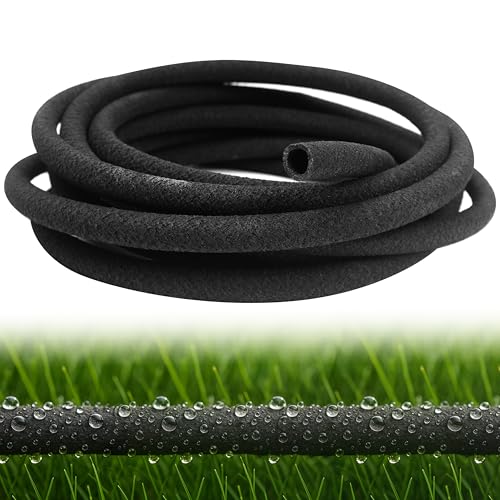
Specs: Features a 1/2" diameter and is 25ft long, providing adequate length to extend any existing watering system or drip supply.
Watering Requirements
Watering your lettuce consistently ensures healthy growth. Aim for a schedule that delivers about one inch of water per week. During hot spells, increase this to one and a half inches to prevent stress. Here are some tips:
- Check Soil Moisture: Stick your finger about an inch into the soil. If it feels dry, it’s time to water.
- Use Drip Irrigation or Soaker Hoses: These methods provide steady moisture and reduce evaporation.
- Water Early in the Day: This practice minimizes evaporation and ensures plants absorb moisture before the heat peaks.
- Mulch Around Plants: Apply organic mulch to help retain soil moisture and keep temperatures regulated.
Pest Management
Effective pest management is crucial for healthy lettuce growth. Observe your plants regularly for any signs of pests. Here’s how to keep them at bay:
- Inspect Regularly: Look under leaves for pests like aphids and caterpillars.
- Use Neem Oil or Insecticidal Soap: Spray these solutions on affected plants to deter pests without harming beneficial insects.
- Introduce Beneficial Insects: Ladybugs and lacewings can help control pest populations naturally.
- Practice Crop Rotation: Rotating where you plant lettuce each season can prevent pest infestations and diseases from establishing.
- Remove Debris and Weeds: Clean up old leaves and weeds to eliminate hiding spots for pests.
By following these care and maintenance tips, you’ll create a thriving environment for your lettuce, leading to a successful harvest.
Harvesting Tips
Harvesting lettuce at the right time ensures optimal flavor and texture. Focus on these key points for a successful harvest.
Timing Your Harvest
- Check maturity: Most lettuce varieties reach maturity between 45 and 70 days. Look for signs specific to the cultivar, such as leaf size and color.
- Harvest in the morning: Pick lettuce in the cooler morning hours. This preserves moisture and enhances crunchiness.
Harvesting Techniques
- Cut or twist: Use a sharp knife or garden shears to cut the outer leaves, leaving the central leaves intact. This allows for continuous growth and multiple harvests.
- Handle gently: Avoid bruising the leaves. Place harvested lettuce in a cool, shaded area immediately after cutting.
Post-Harvest Care
- Cool it down: Remove any damaged or wilted leaves, then rinse the lettuce gently in cold water to clean any dirt.
- Store properly: Wrap the lettuce in a damp paper towel and place it in a plastic bag. Store in the refrigerator’s crisper drawer for up to a week.
- Practice staggered planting: Plant seeds every two to three weeks to ensure a steady supply of fresh lettuce.
- Monitor growth: Keep an eye on how quickly each batch matures and adjust future planting schedules accordingly.
By integrating these harvesting tips, you can enjoy fresh, flavorful lettuce while maximizing your garden’s productivity.
Conclusion
Growing lettuce in South Florida can be a rewarding adventure when you embrace the unique climate. By choosing the right varieties and following proper care techniques you can enjoy fresh, crisp lettuce right from your garden. Remember to keep an eye on moisture levels and protect your plants from pests to ensure a thriving crop.
With a little patience and attention to detail you’ll soon be harvesting delicious lettuce that adds flavor and nutrition to your meals. Happy gardening and enjoy the fruits of your labor!
Frequently Asked Questions
What are the best lettuce varieties for South Florida’s climate?
Leaf lettuce varieties such as Buttercrunch, Red Romaine, and heat-tolerant Romaine types like Green Romaine and Little Gem thrive in South Florida. These varieties mature quickly, adapting well to the region’s warmth and humidity.
When should I plant lettuce seeds in South Florida?
For optimal growth, start lettuce seeds indoors in late winter. Transplant them outdoors once soil temperatures reach at least 60°F, preferably in early spring or fall to avoid the peak summer heat.
How should I prepare the soil for growing lettuce?
Use well-draining, nutrient-rich soil with a pH level of 6.0 to 7.0. Incorporate compost and organic matter to enhance soil structure, ensuring it’s capable of retaining moisture while preventing waterlogging.
How often should I water my lettuce?
Aim to provide about one inch of water per week, increasing to one and a half inches during hot spells. Regularly check soil moisture and use mulch to help retain water.
What pest management strategies should I use for lettuce?
Conduct regular inspections for pests and consider using neem oil or insecticidal soap for treatment. Introducing beneficial insects and practicing crop rotation can also help manage pest populations effectively.
What are key harvesting tips for lettuce?
Harvest in the morning for optimal flavor and texture. Use sharp tools to cut outer leaves while leaving the central growth intact for continued production. After harvesting, rinse, remove damaged leaves, and store properly in the refrigerator.
How can I improve the success of growing lettuce in heat?
Select heat-tolerant varieties, provide partial shade during hot spells, and maintain consistent watering. This approach helps protect your lettuce from heat stress and encourages healthy growth.
