

Ever wondered how to turn kitchen scraps into fresh greens? If you’ve ever bought a head of lettuce and tossed the leftover core, you might be missing out on a simple way to grow your own food at home.
Key Takeaways
- Variety Selection: Understanding different lettuce varieties such as Romaine, Butterhead, Leaf, Iceberg, and Oak Leaf helps in selecting the best type for home growing, each offering unique flavors and textures.
- Nutritional Benefits: Lettuce is low in calories, high in vitamins A, K, C, and essential minerals like potassium and calcium, making it a nutritious choice for a healthy diet.
- Optimal Growing Conditions: Choose containers with good drainage and place them in a location that receives about 6 hours of indirect sunlight at temperatures between 60°F and 70°F for best growth results.
- Step-by-Step Growth: Start with a lettuce head stub submerged in water to encourage root development, then plant it in soil, ensuring proper watering and care to support healthy growth.
- Harvesting Techniques: Harvest lettuce when leaves are vibrant, picking outer leaves first for loose-leaf varieties or cutting the base for head lettuce, and store it correctly to maintain freshness.
- Addressing Challenges: Regularly monitor for pests and diseases, ensuring enough sunlight, proper soil nutrients, and moisture levels to troubleshoot any growth issues effectively.
Understanding Lettuce Varieties
Lettuce comes in several varieties, each with unique characteristics and flavors. Knowing these varieties helps you choose the best one for growing at home.
Popular Varieties for Home Growing
- Romaine: Romaine lettuce has tall, crisp leaves and a mild flavor. It’s perfect for salads and grows well in containers.
- Butterhead: Butterhead, such as Boston or Bibb, features soft, tender leaves. Its sweet taste makes it great for wraps and sandwiches.
- Leaf Lettuce: Leaf varieties, including red and green, produce loose leaves. They grow quickly and provide continuous harvests.
- Iceberg: Iceberg is known for its round, compact heads and crunchy texture. While slower to grow, it’s a classic choice for salads.
- Oak Leaf: Oak leaf lettuce has lobed leaves resembling oak tree foliage. Its tender texture and nutty flavor make it a delightful addition to salads.
Nutritional Benefits of Lettuce
Lettuce is low in calories and high in water content, making it a healthy choice. Here’s what it offers:
- Vitamins: Lettuce provides vitamins A, K, and C, supporting eye health and immune function.
- Minerals: It contains potassium and calcium, essential for heart and bone health.
- Antioxidants: Lettuce has antioxidants that combat free radicals, promoting overall wellness.
- Fiber: The fiber in lettuce aids digestion and can help maintain a healthy weight.
Incorporating various lettuce types into your diet enhances flavor and boosts nutritional intake.
Preparing to Grow Lettuce
Growing lettuce at home is a straightforward process that begins with careful preparation. You’ll want to ensure optimal growing conditions to yield the best results.
Recommended Products

EASIER SEED STARTING: Our Burpee SuperSeed tray with 36 flexible pop-out cells is designed to simplify indoor seed starting for all your favorite vegetables, flowers and herbs. Just add seed starting mix, seeds, water and light to get growing! Rows are labeled alphanumerically for seedling identification with included Plant-o-Gram diagram. Tray dimensions: 11.5" x 10-3/8" x 2-1/4"
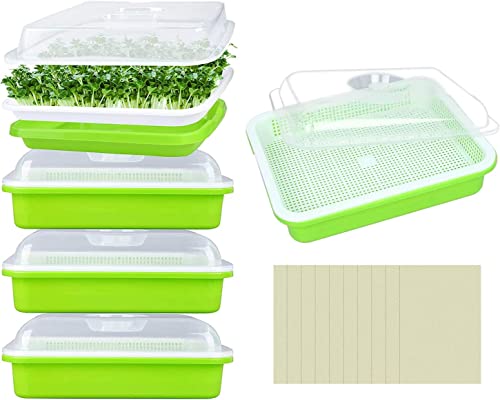
Microgreens Growing Trays: You will receive 5 pcs seed starter tray, comes with 10 planting papers, the size is 12.7 * 10.23 * 4.95 inch, fit for your daily use, help your fruits, veggies and flowers grow better, no need soil, only water you can taste fresh vegetables at home

Sturdy Growing Tray: made of high quality new thickened material with a strong load-bearing capacity that will last year after year.
Choosing the Right Containers
Selecting the right container is essential for growing lettuce successfully. You can use various types of containers, including:
- Plastic Pots: Lightweight and easy to move. Choose pots with drainage holes to prevent waterlogging.
- Decorative Planters: Ideal for those wanting aesthetics. Ensure they also have drainage holes.
- Recycled Containers: Old food containers or bottles can serve as creative planters. Check that they can hold soil and water.
- Seed Trays: Great for starting multiple heads of lettuce at once. These trays typically have cells for individual plants.
Make sure your containers are deep enough, ideally around 6 to 12 inches, so the roots have room to grow. Fill them with a quality potting mix for best results.
Selecting the Ideal Location
Choosing the right location for your lettuce is crucial. Lettuce thrives in cool temperatures and partial sunlight. Consider these factors when selecting a spot:
- Sunlight Exposure: Aim for 6 hours of indirect sunlight daily. A south-facing window or patio often works well.
- Temperature: Lettuce grows best at temperatures between 60°F and 70°F.
You may need to find a spot that avoids extreme heat or cold. If temperatures rise above 75°F, consider using shade cloth to protect your plants from the sun’s harsh rays. If you live in a colder climate, a sunny indoor location can help extend the growing season.
Setting up the right containers and location helps lay the foundation for thriving lettuce plants.
Step-by-Step Guide to Growing Lettuce from Head
Follow these steps to grow fresh lettuce from leftovers. This straightforward method makes it easy to enjoy homegrown greens.
Recommended Products

Complete Lettuce Garden Starter Kit Indoor – 5 heirloom salad and green seed packets, 8 biodegradable soil disks, 8 plant markers, and 8 starter pots. Romaine, Spinach, Arugula, Kale and Buttercrunch lettuce heirloom seeds are the star of the set!
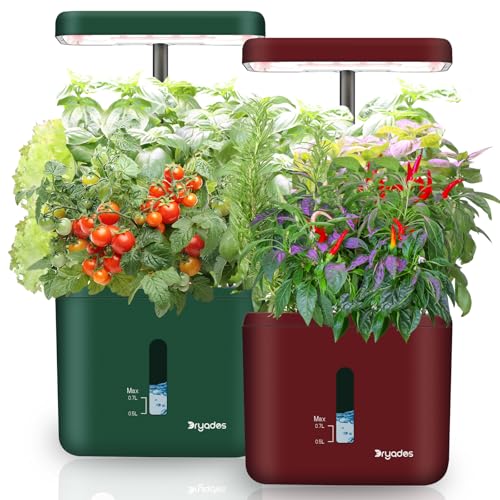
INDOOR INTELLIGENT, MORE EFFICIENT: Indoor soil cultivation planting system adopts full-spectrum technology, 5 times more efficient than outdoor traditional cultivation, controllable LED grow lights set 8H/12H/16H light time, do not affect the personal work and rest at the same time to ensure that the Potted plants are at optimum temperatures all year round in order to promote photosynthesis in any weather.

Initial Preparation of Lettuce Head
Select a romaine, butterhead, or leaf lettuce head. Cut about 2 inches from the bottom to create a lettuce stub. Rinse the stump to remove any dirt or debris. Place it in a shallow bowl or container filled with water, ensuring the base is submerged while the leaves remain above water. It’s best to change the water every couple of days to keep it fresh. After a week, you’ll see roots start to develop.
Planting and Watering Techniques
Choose a suitable container for planting. Opt for one with drainage holes, such as a plastic pot or recycled container. Fill it with quality potting soil, leaving about an inch from the top. Create a small hole in the center for the lettuce stub, gently placing it in the soil. Pack the soil around the stub to secure it.
Water the soil lightly after planting. Keep it moist but not soggy. If the topsoil feels dry, add more water. Ensure the water drains properly to prevent root rot.
Maintenance and Care Tips
Monitor the sunlight exposure. Place the container in a spot that gets about 6 hours of indirect sunlight daily. If temperatures rise above 75°F, consider using a shade cloth to protect the young plants.
Fertilize the lettuce every 2-4 weeks with a balanced fertilizer to promote growth. Check for pests regularly. If you spot any, use an organic insecticidal soap to manage them.
Harvesting and Enjoying Your Lettuce
Harvesting lettuce at the right time ensures you get the freshest flavor. Follow these guidelines to enjoy your homegrown greens.
When to Harvest
Check your lettuce after about 4 to 6 weeks of growth. Harvest when the leaves are crisp and vibrant. For loose-leaf varieties, pick the outer leaves first, allowing the center to keep growing. If you’re growing head lettuce, wait until the head feels tight and firm. You can cut the head at the base to enjoy a full harvest. Regularly harvesting encourages new growth, extending your lettuce supply.
Storage Tips for Freshness
Store your harvested lettuce properly to maintain its quality. Place the leaves in a plastic bag with a damp paper towel, sealing it loosely to allow for airflow. Refrigerate the bag in the crisper drawer. The moisture will keep your lettuce fresh for up to a week. Avoid washing the leaves until you’re ready to use them, as excess moisture can lead to spoilage. For longer storage, consider freezing your lettuce, but note that the texture will change. Enjoying your freshly harvested lettuce is best in salads, sandwiches, or as a nutritious garnish.
Common Challenges and Solutions
Growing lettuce at home can lead to unexpected challenges. Being prepared helps ensure a rewarding experience.
Recommended Products

Protect your oasis with 3 garden products in 1 from Captain Jack’s; Bonide Captain Jack’s Ready-to-Use Neem Oil spray for plants is a multi-purpose fungicide, insecticide and miticide for your lawn & garden

FUNGAL DISEASE CONTROL: Prevents and controls black spot on roses, powdery mildew, rust, downy mildew, and other listed fungal diseases when applied on a 7–14 day schedule

PLANT DISEASE CONTROL: Natria Neem Oil acts as an insecticide and fungicide in one convenient spray; Ready-to-use trigger sprayer requires no mixing
Identifying Pests and Diseases
Monitor your plants regularly. Look for signs like holes in leaves or unexplained yellowing. Common pests include aphids, slugs, and caterpillars. Use insecticidal soap or neem oil to manage these pests effectively. For diseases like downy mildew, ensure proper air circulation and avoid overhead watering. Remove affected leaves promptly to prevent further spread.
Troubleshooting Growth Issues
Watch for slow growth or wilting leaves. Insufficient light and poor soil can be primary causes. If your lettuce has less than 6 hours of light, relocate it to a brighter spot. Ensure your potting soil contains adequate nutrients—consider using a balanced fertilizer if necessary. Overwatering can also lead to wilting; check soil moisture before watering. A dry top inch of soil usually indicates it’s time to water.
Conclusion
Growing lettuce at home from leftover heads is a fun and rewarding way to make the most of your kitchen scraps. You get to enjoy fresh greens while contributing to a more sustainable lifestyle.
With just a little care and attention you can create a thriving mini-garden right in your kitchen or on your balcony. Remember to keep an eye on your plants and enjoy the process of watching them grow.
Once you’ve harvested your lettuce savor the delicious flavors in your meals. Whether it’s a crisp salad or a tasty sandwich your homegrown lettuce will surely elevate your culinary creations. Happy gardening!
Frequently Asked Questions
What types of lettuce can I grow at home?
You can grow various lettuce types at home, including Romaine, Butterhead, Leaf Lettuce, Iceberg, and Oak Leaf. Each variety has unique characteristics, making them suitable for different tastes and recipes.
How do I prepare kitchen scraps for growing lettuce?
To prepare kitchen scraps, cut about 2 inches from the bottom of a leftover lettuce head. Place the stub in a shallow bowl of water, ensuring it is submerged enough to encourage root development.
What are the ideal conditions for growing lettuce?
Lettuce thrives in indirect sunlight for about 6 hours daily and prefers temperatures between 60°F and 70°F. Use shade cloth in warmer climates to protect from direct sunlight and find sunny indoor spots in cooler areas.
How often should I water my lettuce?
Water your lettuce regularly, keeping the soil moist but not waterlogged. Check the moisture level by sticking your finger into the soil; if it feels dry, it’s time to water.
When is the best time to harvest lettuce?
Harvest lettuce when leaves are crisp and vibrant, usually 4 to 6 weeks after planting. For loose-leaf varieties, pick outer leaves, while for head lettuce, cut at the base when it feels tight and firm.
How should I store freshly harvested lettuce?
To maintain freshness, store harvested lettuce in a plastic bag with a damp paper towel and refrigerate it. This can help keep it fresh for up to a week.
What common pests should I watch for when growing lettuce?
Watch for pests like aphids and downy mildew. Monitor your plants regularly and use insecticidal soap or ensure proper air circulation to manage these issues effectively.
What should I do if my lettuce is wilting?
If your lettuce is wilting, check if it is getting enough light, ensure your soil is nutrient-rich, and adjust watering practices. Overwatering or underwatering can both lead to wilting.
