

Have you ever wanted to enjoy fresh, crisp lettuce straight from your garden? Growing lettuce in a garden bed is not only easy but also incredibly rewarding. Whether you’re a gardening novice or a seasoned pro, this leafy green can thrive in various conditions, making it a perfect choice for your backyard.
Key Takeaways
- Choose the Right Varieties: Select lettuce types based on your climate and desired use. Leaf lettuces like Butterhead thrive in cooler weather, while head lettuces like Iceberg prefer full sun.
- Prepare Your Garden Bed: Ensure soil is rich in organic matter with a pH of 6.0 to 7.0. Use compost and check soil drainage to create ideal growing conditions.
- Planting Seeds Properly: Space seeds appropriately (4-12 inches apart depending on variety) and plant at a depth of 1/4 to 1/2 inch. Timing is essential; plant before the last frost in spring or 6-8 weeks before the first frost in fall.
- Consistent Care: Water thoroughly to maintain moisture and fertilize every 3-4 weeks with a balanced fertilizer for optimal growth. Monitor for signs of nutrient deficiency.
- Pest Management Strategies: Protect your crop by choosing resistant varieties, practicing crop rotation, and using row covers. Encourage beneficial insects to help control pests naturally.
- Harvest at the Right Time: Pick lettuce when leaves reach 6-8 inches and harvest carefully to avoid damaging the plants. Wash immediately after harvesting to maintain freshness.
Choosing the Right Lettuce Varieties
Selecting the right lettuce varieties can enhance your garden’s yield and flavor. Consider your climate and gardening goals when making your choice.
Recommended Products
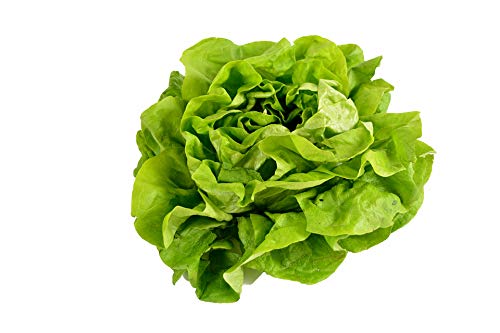
This lettuce is well known for its sweet flavor. Best if harvested in the morning.

🥬 Heat-Tolerant Upright Romaine: Jericho Romaine Lettuce (Lactuca sativa) forms tall, sturdy heads with crisp ribs and tender, mildly sweet leaves. Known for its strong heat tolerance compared to many romaine varieties, it grows 18–24 inches tall and delivers reliable harvests in extended spring and early summer conditions.

Compact Mini Romaine - Grow Little Gem lettuce with crisp green leaves and tender pale hearts. Its upright heads reach about 6-8 inches tall, a useful size for containers, raised beds and individual salads.
Leaf Lettuce
Leaf lettuce offers a variety of textures and flavors, making it a popular choice. Varieties like Butterhead and Romaine grow quickly and thrive in cooler weather. You can harvest the outer leaves while the plant continues to grow. Ensure you plant leaf lettuce in well-drained soil, providing adequate sunlight. For best results, space plants 6 to 12 inches apart to promote airflow and reduce the risk of disease.
Head Lettuce
Head lettuce, including Iceberg and Crisphead, forms tight, compact heads. These varieties require more time to mature than leaf lettuces but offer a crisp texture. Place head lettuce in a location with full sun and rich soil. For optimal growth, allow 12 to 18 inches between plants. Regular watering helps maintain moisture, especially during dry spells. When harvesting, cut the entire head at the base for a clean removal.
Preparing the Garden Bed
Preparing your garden bed ensures optimal conditions for growing lettuce. Focus on soil quality, pH, and sunlight to create a thriving environment.
Recommended Products

Quick, at home results for Soil pH, Nitrogen, Phosphorous and Potash Innovative and inexpensive soil test kit features an easy-to-use capsule system and patented color comparators

Comprehensive Soil Analysis: Liquid soil test kits offer a comprehensive analysis of essential soil parameters, including pH, ammonia, nitrogen, phosphorus, and potassium. Having all these measurements in one kit provides a holistic understanding of the soil's fertility and health.

Accurate Soil pH Testing: Dewildetradingco Soil pH Test Strips offer measurements of soil pH levels (pH 3.5-9). As an essential tool for every gardener and grower, these test strips help determine the optimal pH for various plants, such as outdoor plants, indoor plants, gardens, grass lawns, fruit trees, flowers, vegetables, and forest shrubs.
Soil Quality and pH
Your soil needs to be rich in organic matter. Mix in compost or well-rotted manure to improve fertility and structure. Aim for a loose, well-drained soil texture that allows roots to grow easily.
Lettuce prefers a pH between 6.0 and 7.0. To check your soil’s pH, use a home testing kit. If the pH is too low, add lime to raise it. If it’s too high, add sulfur to lower it. Adjusting your soil’s pH creates the right balance for nutrient absorption.
Sunlight Requirements
Lettuce thrives in full sun, requiring 6 to 8 hours of direct sunlight daily. Select a spot in your garden that receives ample sunlight throughout the day. If you’re in a particularly hot climate, consider providing partial shade in the afternoon to prevent bolting.
Additionally, monitor growth as lettuce may need more sun during cooler months for optimal growth. If your garden area doesn’t get enough sunlight, consider using reflective surfaces to enhance light exposure.
Planting Lettuce Seeds
Planting lettuce seeds correctly sets the stage for a successful harvest. Focus on proper seed spacing, depth, and timing for optimal growth.
Seed Spacing and Depth
Seed spacing and depth significantly impact your lettuce yield.
- Space seeds 10 to 12 inches apart for larger head lettuce varieties, allowing enough room to mature.
- Space leaf lettuce seeds 4 to 6 inches apart, promoting proper air circulation.
- Plant seeds at a depth of 1/4 to 1/2 inch to ensure adequate coverage while still encouraging germination.
- Thin seedlings later if they overcrowd, maintaining the recommended spacing for healthy plant growth.
Timing for Planting
Timing affects lettuce growth and quality.
- Start planting seeds 2 to 4 weeks before the last frost in spring for an early harvest.
- For a continuous supply, follow up with another sowing every 2 to 3 weeks throughout spring and early summer.
- In fall, plant seeds 6 to 8 weeks before the first frost to reap a late-season harvest.
- Consider timing adjustments based on your local climate to fit your garden’s specific conditions.
Caring for Lettuce Plants
Caring for your lettuce plants involves consistent attention to watering and fertilization. These practices ensure healthy growth and a bountiful harvest.
Recommended Products

Trusted Since 2015: Become one of the many plant lovers who rely on the proven accuracy of XLUX. Established in 2015, our soil moisture meter has earned over 60,000+ verified ratings for its consistent performance. While many many newer brands come and go, we provide the long-term reliability and quality that American households have trusted for over a decade.

Accurate Soil Moisture Detection: The XLUX Soil Moisture Meter can tell you if the soil deep inside your pot or garden is dry, moist or wet; whereas your eyes and fingers can only determine the moisture level of the soil surface. The probe is 5.5 inches (14 cm) longer than regular styles, allowing it to measure the soil moisture at the bottom of larger and deeper flower pots.

Kindly NOTE: This soil tester can not be applied to test pH value of any other liquid. If the soil is too dry the indicator will not move, and water it before testing.
Watering Techniques
Water lettuce plants deeply, providing 1 to 2 inches of water per week. Ensure consistent moisture, particularly during dry spells. Using a soaker hose or drip irrigation system maintains even moisture levels without wetting the foliage, reducing disease risk. Water early in the morning or late in the afternoon to minimize evaporation. Adjust your watering based on weather conditions; lettuce prefers moist soil but not waterlogged roots.
Fertilization Guidelines
Fertilizing promotes strong growth in lettuce plants. Apply a balanced fertilizer, such as a 10-10-10 formula, at planting time. Follow the manufacturer’s instructions for application rates. If your soil is rich in organic matter, additional fertilization may not be necessary. Monitor your plants for signs of nutrient deficiency, like yellowing leaves. If you spot these symptoms, side-dress with compost or a nitrogen-rich fertilizer to boost growth. Fertilize again every 3 to 4 weeks for optimal yields, especially in high-nutrient soils.
Pest and Disease Management
Managing pests and diseases is vital for healthy lettuce growth. By recognizing potential threats and applying effective measures, you can protect your crop.
Common Lettuce Pests
- Aphids: Small, green insects that cluster on stems and undersides of leaves. They suck sap and can cause stunted growth. Look for sticky residue or discolored leaves.
- Leaf Miners: Larvae that create tunnels in leaves. They result in unsightly damage that can affect photosynthesis.
- Slugs and Snails: These nocturnal creatures feast on young plants, leaving irregular holes in leaves. They thrive in moist conditions.
- Flea Beetles: Tiny, shiny insects that jump when disturbed. They create small holes in leaves, impacting growth and yield.
- Choose Resistant Varieties: Select lettuce varieties known for their pest resistance to minimize issues.
- Crop Rotation: Regularly change the location of your lettuce in the garden. This disrupts pest life cycles and reduces disease risk.
- Maintain Cleanliness: Remove debris and weeds, which can harbor pests. Keeping your garden neat prevents pest habitats.
- Use Row Covers: Light-weight fabric helps shield seedlings from pests while allowing sunlight and moisture to penetrate.
- Encourage Beneficial Insects: Attract ladybugs and lacewings, which feed on aphids. Plant flowers like marigolds and nasturtiums to bring them in.
Implementing these strategies promotes a healthy lettuce crop while keeping pests and diseases at bay.
Harvesting Lettuce
Harvesting lettuce involves timing and technique to ensure the best flavor and texture. Knowing when and how to pick your lettuce can maximize your yield and keep your plants healthy.
When to Harvest
Harvest lettuce when leaves reach about 6 to 8 inches in length for optimal taste. You can start checking for readiness around 30 to 60 days after planting, depending on the variety. For leaf lettuce, pick outer leaves while allowing the inner leaves to continue growing. Aim to harvest during cooler parts of the day, like early morning or late afternoon, to preserve freshness.
How to Harvest
Harvesting lettuce requires careful handling to avoid damage. Follow these steps:
- Use Clean Scissors or Shears: Sterilized tools prevent disease transfer.
- Cut at the Base: For leaf lettuce, snip leaves just above the base, leaving the inner leaves untouched. For head lettuce, gently twist and pull or cut the entire head at the base.
- Handle Gently: Avoid crushing leaves during the process, as this leads to quicker spoilage.
- Wash Immediately: Rinse harvested lettuce to remove dirt and pests. Dry it thoroughly to preserve crispness.
By following these guidelines, you can enjoy fresh, homegrown lettuce that enhances any meal.
Conclusion
Growing lettuce in your garden bed can be a rewarding experience that adds freshness to your meals. By paying attention to the right varieties and providing proper care you’ll enjoy a bountiful harvest. Remember to keep an eye out for pests and diseases so your plants stay healthy and vibrant.
When it’s time to harvest make sure to do it at the right moment to get the best flavor and texture. With a little patience and care you’ll soon have crisp lettuce ready for your salads and sandwiches. Happy gardening!
Frequently Asked Questions
What are the best lettuce varieties for cooler climates?
Leaf lettuce types like Butterhead and Romaine thrive in cooler conditions. These varieties are suitable for regions with shorter growing seasons and cooler temperatures, providing a crisp texture and rich flavor.
How should I prepare my garden bed for growing lettuce?
Prepare your garden bed by ensuring rich, well-drained soil. Add organic matter like compost for nutrients, and make sure the area receives adequate sunlight. Proper soil quality is essential for healthy lettuce growth.
How should I space my lettuce plants when planting?
Space lettuce seeds about 10 to 12 inches apart, depending on the variety. This spacing ensures good air circulation and reduces competition for nutrients, promoting healthier plants.
What watering techniques are best for lettuce?
Lettuce needs consistent moisture. Water deeply once a week, allowing the soil to dry slightly between watering. Avoid overhead watering to prevent fungal diseases and ensure even moisture.
How can I manage pests and diseases in my lettuce garden?
Control pests like aphids and slugs by choosing resistant varieties, practicing crop rotation, maintaining cleanliness, using row covers, and encouraging beneficial insects. These strategies help keep your lettuce healthy.
When is the best time to harvest lettuce?
Harvest lettuce when leaves reach 6 to 8 inches in length for the best flavor. Use clean scissors or shears to cut at the base for leaf varieties, and wash harvested lettuce immediately for freshness.
