

Are you tired of the same old store-bought dressings that just don’t hit the spot? You’re not alone. Many people find themselves stuck in a salad rut, longing for something fresh and flavorful to elevate their greens.
Key Takeaways
- Homemade Dressings Are Easy: Making lettuce salad dressing at home is simple, involving basic ingredients and straightforward methods like whisking or shaking.
- Key Ingredients Matter: Use high-quality oils, vinegars, and additional components like honey, mustard, and fresh herbs to enhance the flavor of your dressings.
- Experiment with Ratios: A general guideline for vinaigrettes is 3 parts oil to 1 part vinegar; however, feel free to adjust based on personal taste preferences.
- Balance Flavors: Combine acidic and creamy ingredients, and consider adding sweetness to achieve a well-rounded dressing that complements your salad.
- Storage Tips: Store any leftover dressing in an airtight container in the refrigerator for up to a week, and always shake well before use.
- Customize to Your Taste: Always taste your dressing before serving to make any necessary adjustments, ensuring it fits perfectly with your salad ingredients.
How To Make Lettuce Salad Dressing
Creating lettuce salad dressing at home is simple and rewarding. Use fresh ingredients for the best flavor. Here are some popular types of dressings you can try:
Vinaigrette
- Gather Ingredients: You need 3 parts oil (like olive oil) to 1 part vinegar (like balsamic or apple cider).
- Combine: Mix them in a jar with a tight lid. Add salt, pepper, or herbs for extra flavor.
- Shake: Shake the jar until blended. Taste and adjust as needed.
Creamy Dressing
- Choose a Base: Start with 1 cup of yogurt or sour cream.
- Add Flavor: Stir in lemon juice, mustard, garlic, and herbs (like dill or parsley).
- Mix Well: Whisk until smooth. Add water if the dressing is too thick.
Honey Mustard Dressing
- Mix Ingredients: Combine 1/4 cup honey, 1/4 cup mustard, and 1/2 cup vinegar.
- Add Oil: Slowly whisk in 1 cup of vegetable oil.
- Season: Add salt and pepper to taste. Blend until creamy.
- Fresh Herbs: Use chopped fresh herbs for more vibrant flavor.
- Storage: Store leftover dressing in the refrigerator for up to a week. Shake well before use.
- Taste Test: Always taste your dressing. Adjust seasoning or acidity based on your preference.
Types Of Salad Dressings
Salad dressings enhance flavors, adding excitement to your salads. Here are some common types.
Recommended Products

ORGANIC REAL FRENCH VINAIGRETTE: Here’s the perfect balance of vinegar, oil and seasonings; they all come together to create a classic, flavorful organic dressing for any green salad and any occasion

16 fl oz organic light balsamic vinaigrette
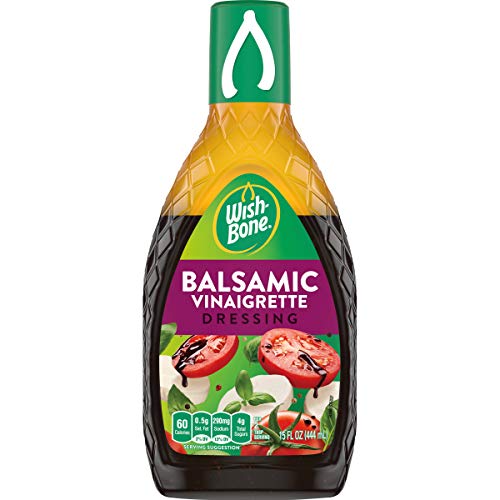
One 15 fl oz bottle of Wish-Bone Balsamic Vinaigrette Dressing
Vinaigrettes
Vinaigrettes combine acidity with oil. Typically, you’ll use three parts oil to one part vinegar for a balanced flavor. Common ingredients include olive oil, balsamic vinegar, Dijon mustard, and honey. Each ingredient adds depth. For example, olive oil provides richness, while vinegar adds tanginess.
To make a basic vinaigrette, whisk together:
- 3 tablespoons olive oil
- 1 tablespoon balsamic vinegar
- 1 teaspoon Dijon mustard
- Salt and pepper to taste
You can experiment with different oils and vinegars. Try apple cider vinegar or red wine vinegar for variation.
Creamy Dressings
Creamy dressings create a rich, smooth texture. Ingredients often include mayonnaise, sour cream, or yogurt. These add creaminess, while herbs and spices offer flavor.
To create a simple creamy dressing, combine:
- 1 cup mayonnaise
- 1 tablespoon lemon juice
- 1 teaspoon garlic powder
- Salt and pepper to taste
Mix well until smooth. You can modify this base by adding ingredients like fresh herbs, grated cheese, or spices. For instance, adding dill or chives makes a wonderful twist.
By knowing these types of dressings, you can enhance your salads easily with fresh flavors.
Key Ingredients For Dressing
Making a flavorful lettuce salad dressing requires essential ingredients. Each component contributes to the overall taste. Here’s what you’ll need.
Recommended Products

GOURMET BALSAMIC VINEGAR: Expertly crafted by The Olive Oil People; Authentic balsamic vinegar that pairs perfectly with Pompeian's farmer-crafted olive oils

✔️ Two 60 ml (2.03 fl oz) bottle gift set containing two of Viva Oliva's most popular varietals, the Tuscan Herb Infused Olive Oil and the 18 Year Traditional Balsamic Vinegar

Premium Variety Gift Set: Six most popular infused extra virgin olive oils and balsamic vinegars in 60ml/2oz bottles, including Tuscan Herb, Basil, Mushroom & Sage olive oils and Traditional 18 Year, Grapefruit, Black Mission Fig balsamic vinegars
Oils
- Olive Oil: Olive oil offers a rich, smooth base that enhances flavors. Choose extra virgin olive oil for a robust taste.
- Avocado Oil: Avocado oil brings a mild flavor and is high in healthy fats. It’s a great alternative to olive oil.
- Nut Oils: Consider oils like walnut or hazelnut for a unique taste flair. Use these sparingly to avoid overpowering the other ingredients.
Vinegars and Acids
- Balsamic Vinegar: Balsamic vinegar provides a sweet and tangy flavor balance. It’s perfect for dressings that need a bit of sweetness.
- Apple Cider Vinegar: Apple cider vinegar offers a sharp taste with a hint of fruitiness. Use it in vinaigrettes for a refreshing twist.
- Lemon Juice: Fresh lemon juice brightens up any salad dressing. It adds acidity while refreshing the overall taste.
- Rice Vinegar: Rice vinegar’s mild flavor is ideal for Asian-inspired dressings. It complements other ingredients without dominating.
- Salt and Pepper: Salt enhances flavors while pepper adds a touch of heat. Use these to season your dressing to taste.
- Mustard: Mustard can add tang and creaminess, especially in vinaigrettes. Try Dijon or whole grain for different flavors.
- Honey or Maple Syrup: A dash of sweetness balances acidity. Honey works great in creamy dressings, while maple syrup suits vinaigrettes.
- Herbs: Fresh or dried herbs like basil, parsley, or dill elevate the flavor profile. Experiment with combinations to find what works best.
- Garlic: Minced fresh garlic imparts a punchy taste. Use it for a zesty kick that complements the overall dressing.
These key ingredients create a delicious base for any salad dressing. Adjust quantities to suit your personal taste and enjoy the fresh flavors in your homemade dressings.
Step-By-Step Guide
Creating your own salad dressings is simple and satisfying. Here’s how to make two popular types of lettuce salad dressings.
Simple Vinaigrette Recipe
- Gather Ingredients: You’ll need 3 parts oil and 1 part vinegar. Choose extra-virgin olive oil and balsamic vinegar for flavor.
- Combine: In a small bowl, whisk together 3 tablespoons of olive oil, 1 tablespoon of balsamic vinegar, and a pinch of salt. Adjust salt to your taste.
- Add Flavor: Mix in 1 teaspoon of Dijon mustard and 1 teaspoon of honey if you prefer a hint of sweetness.
- Emulsify: Continue whisking until the mixture thickens slightly and blends well.
- Serve: Drizzle over your fresh lettuce and toss gently to coat all leaves.
- Gather Ingredients: Use 1 cup of Greek yogurt or sour cream as the base. You’ll also need 2 tablespoons of mayonnaise for extra creaminess.
- Combine: In a bowl, mix together the yogurt, mayonnaise, and 1 tablespoon of apple cider vinegar.
- Season: Add salt, pepper, and 1 teaspoon of garlic powder. For a fresh taste, incorporate 1 tablespoon of chopped fresh herbs like dill or parsley.
- Blend: Stir the ingredients together until smooth and well-combined.
- Serve: Pour the creamy dressing over your salad and mix thoroughly for even flavor distribution.
Tips For The Perfect Dressing
- Balance Flavors: Combine acidic ingredients like vinegar or lemon juice with creamy components for a balanced taste. Adjust amounts to suit your preference.
- Use Fresh Ingredients: Choose fresh herbs and high-quality oils for a vibrant flavor. Fresh garlic or shallots can enhance the overall taste.
- Experiment with Ratios: Start with a basic ratio of three parts oil to one part vinegar. Adjust according to your taste for strength and richness.
- Embrace Emulsification: Whisk vigorously or blend ingredients to combine oil and vinegar. This helps create a smooth texture and ensures even distribution of flavors.
- Add Sweetness: Incorporate a sweet component like honey, maple syrup, or sugar. This balances acidity and adds depth to your dressing.
- Customize Seasoning: Season with salt and pepper to enhance the dressing. Taste as you go, making adjustments for the perfect seasoning.
- Store Properly: Store dressings in airtight containers in the fridge. Shake well before using to recombine separated ingredients.
- Try Unique Additions: Add ingredients like Dijon mustard, yogurt, or avocado for unique flavors. These can add creaminess and enhance the dressing’s complexity.
- Consider Pairings: Match your dressing with the specific salad ingredients. Light vinaigrettes pair well with leafy greens, while creamy dressings complement heartier salads.
- Taste Test: Always taste your dressing before mixing it with salad. Adjust ingredients as needed to achieve the desired flavor profile.
Recommended Products
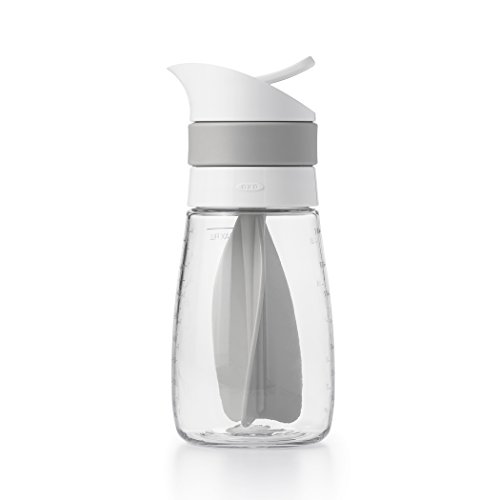
Mix, serve and store salad dressing in one convenient 14-oz (1-3/4-cup) container


Conclusion
Making your own lettuce salad dressing is a fun and rewarding experience. It lets you explore flavors and create something that truly suits your taste. With just a few fresh ingredients you can whip up delicious dressings that elevate any salad.
Don’t hesitate to experiment and make adjustments as you go. Whether you prefer tangy vinaigrettes or creamy delights there’s a dressing out there waiting for you to discover. Enjoy the process and savor the fresh flavors that come from your kitchen. Happy dressing!
Frequently Asked Questions
What are the benefits of homemade salad dressings?
Homemade salad dressings offer fresher flavors and healthier ingredients compared to store-bought options. You can control the amount of sugar, salt, and preservatives, tailoring the flavor to your preference. Plus, they often use wholesome ingredients like olive oil, vinegar, and fresh herbs, boosting nutrition.
What are some popular types of homemade salad dressings?
Popular types of homemade salad dressings include Vinaigrette, Creamy Dressing, and Honey Mustard Dressing. Each type has unique ingredients, such as olive oil and vinegar for Vinaigrette or yogurt and mustard for Creamy Dressings, allowing for a wide range of flavors.
How do I ensure my homemade dressing tastes good?
To ensure your homemade dressing tastes great, focus on balancing flavors like acidity, sweetness, and saltiness. Use fresh ingredients, experiment with ingredient ratios, and always taste-test before mixing with salads. Adjust seasonings and add unique ingredients to enhance flavor.
What ingredients are essential for making salad dressings?
Essential ingredients for making salad dressings include olive oil, vinegar (like balsamic or apple cider), mustard, herbs, garlic, and seasonings. These components create a flavorful base, allowing you to build various dressings tailored to your taste.
How can I store homemade salad dressings?
Homemade salad dressings can be stored in an airtight container in the refrigerator for up to a week. Be sure to shake or stir them before use, as separation may occur. Some dressings may have a shorter shelf life due to fresh ingredients.
