

Ever thought about growing your own lettuce but feel like your apartment’s too small? You’re not alone! Many city dwellers dream of fresh greens but worry they lack the space or know-how.
The good news is you can easily grow lettuce right in your kitchen or on your balcony. Not only will it brighten up your space, but you’ll also enjoy the satisfaction of harvesting your own crisp, tasty leaves. This article will guide you through simple steps to get started, ensuring you can enjoy fresh salads without needing a backyard.
Key Takeaways
- Select Suitable Lettuce Varieties: Choose quick-growing and compact varieties like butterhead, looseleaf, and Little Gem to thrive in limited indoor space.
- Gather Essential Supplies: Use pots with good drainage, high-quality potting soil, and organic fertilizers to create an optimal growing environment for your lettuce.
- Ensure Optimal Growing Conditions: Provide 12-16 hours of bright light daily, maintain a temperature between 60°F and 70°F, and keep humidity levels between 40% and 70% for healthy growth.
- Adopt Proper Planting Techniques: Start seeds in trays, thin seedlings, and transplant them to containers once they develop true leaves for optimal spacing and growth.
- Monitor for Pests and Diseases: Regularly inspect your plants for common pests like aphids and spider mites, and take immediate action to manage any issues to protect your crop.
- Water and Fertilize Consistently: Keep the soil consistently moist without overwatering, and apply balanced fertilizer every 2-4 weeks to support healthy growth.
Choosing the Right Lettuce Varieties
Selecting the right lettuce variety makes a significant difference in your apartment garden. Certain types of lettuce thrive better in limited space and indoor conditions.
Recommended Products

Healthy Food Source: Because of its tender flavor, lettuce is a popular vegetable for salad, sandwiches, wraps, soups, stir-fries and juice. There are over 20,000 seeds, 10 kinds of lettuce collection, including bibb, boston, iceberg, buttercrunch, grand rapids TBR, oakleaf, ruby leaf, cimmaron romaine and waldmann's

USDA Certified Organic by Oregon Tilth

4 Popular Heirloom Lettuce Varieties: Includes Red Romaine, Bibb Butterhead, Black Seeded Simpson, and Green Ice lettuce seeds to grow crisp, tender, and colorful salad greens with balanced flavor, texture, and visual appeal.
Leaf Lettuce Options
Leaf lettuce varieties grow quickly and are ideal for container gardening. You can choose from several popular types:
- Butterhead: Known for its soft, buttery leaves, butterhead lettuce grows well in smaller pots. It’s easy to harvest, as you can pick leaves individually.
- Looseleaf: This variety produces delicate leaves that come in various colors, such as green and red. Looseleaf grows rapidly, allowing for frequent harvests.
- Oakleaf: With its unique, lobed leaf shape, oakleaf lettuce adds visual interest. It adapts well to different light conditions and can handle cooler temperatures.
Romaine Lettuce Varieties
Romaine lettuce, also called cos lettuce, offers a crunchy texture and holds up well in salads. Here are some excellent varieties for indoor growing:
- Paris Island Cos: This classic type features long, sturdy leaves. It’s resistant to heat and bittering, making it suitable for warmer indoor temperatures.
- Little Gem: A compact version of romaine, Little Gem grows well in small spaces. It provides a sweet flavor and can be harvested early for tender leaves.
- Forellenschluss: Known for its speckled leaves, this unique variety adds color to your garden. It grows well in containers and produces crisp, flavorful heads.
Growing the right varieties ensures a successful lettuce garden in your apartment. Choose options that fit your space, light availability, and taste preference for the best results.
Essential Supplies for Growing Lettuce
Gather the essential supplies for successfully growing lettuce in your apartment. Proper materials ensure healthy growth and a bountiful harvest.
Recommended Products

Elevated Ergonomic Design: This raised garden bed features a comfortable working height that reduces back strain and bending while gardening. The elevated design also helps protect your plants from pets, making it ideal for seniors or anyone with mobility considerations

Indoor plants are beneficial to mental health and our well-being, not to mention a great way to enhance the overall look and feel of your home. every time you look at these plants they add a smile to your face.
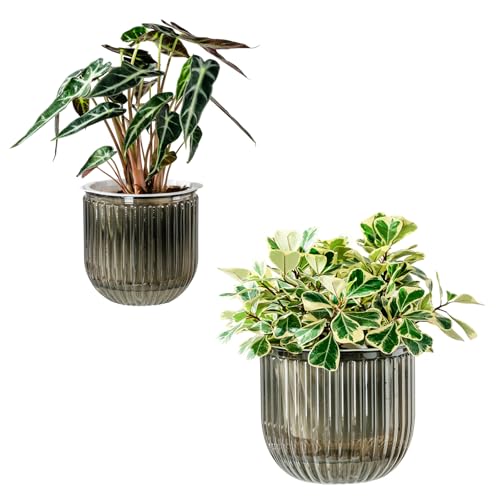
Self Watering Planters for Indoor Plants: Double-layer design, cotton rope across inner pot absorbs water from bottom of the external pot to keep the soil moist. Stored water can feed plants for two weeks or more. Plant pots self watering makes your travel or business trip an big ease! Plants Not Included!
Containers and Pots
Select containers that provide adequate drainage. Choose pots with drainage holes to prevent waterlogging, which can lead to root rot. Containers should be at least 6-12 inches deep to allow for root development. Options include:
- Plastic Pots: Lightweight and affordable, ideal for indoor use.
- Clay Pots: Durable and porous, allowing for better air circulation.
- Self-Watering Containers: Helpful for maintaining consistent moisture levels.
Use containers that fit your available space and complement your decor. Remember, you can group smaller pots together for a more cohesive look.
Soil and Nutrients
Utilize high-quality potting soil designed for vegetables. Look for a mix that retains moisture yet drains well. Organic options often include compost, peat, and vermiculite. Consider adding these nutrients:
- Organic Fertilizer: Choose a balanced fertilizer with equal parts nitrogen, phosphorus, and potassium for steady growth. Follow the manufacturer’s instructions for application rates.
- Compost: Incorporate compost into your soil mix to provide essential minerals and improve soil structure. A 25% compost blend can enhance nutrient availability.
Test your soil pH. Lettuce thrives in a pH range of 6.0 to 7.0. If adjustments are needed, consider adding lime to raise the pH or sulfur to lower it.
Optimal Growing Conditions
Creating the right environment is essential for growing lettuce in an apartment. Focus on light, temperature, and humidity for successful growth.
Light Requirements
Lettuce thrives in bright light. Aim for 12-16 hours of light daily. Use grow lights, especially in winter or low-light conditions. Position the lights about 6-12 inches above the plants. Rotate your containers to ensure even light exposure. If natural light is limited, consider using full-spectrum LED lights for optimal growth.
Temperature and Humidity
Lettuce prefers cooler temperatures, ideally between 60°F and 70°F (15°C to 21°C). Too much heat can cause bitterness or bolting. Ensure your indoor space can maintain these temperatures. Monitor humidity levels, keeping them between 40% and 70%. If your apartment is dry, mist the plants regularly or use a humidity tray filled with water and pebbles to increase moisture.
Planting and Care Techniques
Growing lettuce in your apartment involves careful attention to seeding, transplanting, and maintenance techniques. Follow these guidelines to ensure a thriving indoor lettuce garden.
Seeding and Transplanting
- Choose Seeds: Select your preferred lettuce variety based on taste and growth habits. Smaller varieties like butterhead work well in limited spaces.
- Seed Trays: Use seed trays or small containers filled with seed-starting mix. Ensure they have drainage holes.
- Plant Seeds: Sow 2 to 3 seeds per cell, about ¼ inch deep. Lightly cover with soil and mist with water to avoid washing away seeds.
- Thinning: Once seedlings are 1 to 2 inches tall, thin them to one strong plant per cell for optimal growth.
- Transplanting: When seedlings have 2 to 3 true leaves, transplant them into larger pots. Space them about 6 inches apart for leaf varieties and 12 inches apart for romaine.
- Water Regularly: Lettuce prefers consistent moisture. Water when the top inch of soil feels dry. Avoid letting the soil become soggy.
- Drainage: Make sure pots have proper drainage to prevent root rot. Consider adding gravel at the bottom of containers for extra drainage.
- Fertilization: Use a balanced liquid fertilizer every 2 to 4 weeks. Organic options like compost or worm castings work well.
- Temperature Control: Maintain temperatures between 60°F and 70°F. Avoid placing plants near heat sources or cold drafts.
- Humidity: Keep humidity levels between 40% and 70%. A small humidifier can help if your space is too dry.
- Pest Management: Monitor for pests like aphids or spider mites. Use insecticidal soap or neem oil to manage infestations.
By following these planting and care techniques, your indoor lettuce garden can thrive in your apartment environment.
Common Pests and Diseases
Growing lettuce indoors can attract a few common pests and diseases. Recognizing these threats early protects your harvest.
Identification and Prevention
- Aphids: Small, green insects that cluster on leaves. Check underneath the leaves regularly. Keep air circulation good to deter them.
- Spider Mites: Tiny, red or brown pests that create webbing. Look for speckled leaves. Maintain humidity levels to prevent their spread.
- Downy Mildew: A fungal disease that causes yellowish patches on leaves. Ensure good airflow and don’t overwater to prevent this issue.
- Leaf Spot: Brown or black spots on leaves due to fungal infections. Rotate planting areas and remove affected leaves to manage this.
Regular inspections play a crucial role in identifying issues. Implement preventative measures like using sticky traps and keeping your growing area clean.
- Insecticidal Soap: Effective against pests like aphids. Spray directly on affected areas. Repeat every few days until the problem is under control.
- Neem Oil: A natural pesticide that targets various pests, including spider mites. Dilute with water and spray weekly for best results.
- Fungicide: Use for severe cases of downy mildew or leaf spot. Follow the manufacturer’s directions closely for application.
- Hand Removal: For small infestations, pick pests off by hand. This method works well for bigger bugs like beetles.
Immediate action leads to quick recovery. By staying vigilant and addressing problems early, you keep your indoor lettuce garden healthy and productive.
Conclusion
Growing lettuce in your apartment can be a rewarding experience that brings fresh flavors right to your kitchen. With the right supplies and care techniques you can enjoy a continuous harvest of crisp greens.
Remember to keep an eye out for pests and diseases to ensure your plants stay healthy. Regular maintenance and attention will pay off in the form of vibrant lettuce that brightens up your meals.
So grab your pots and seeds and start your indoor garden adventure. You’ll be amazed at how much joy and satisfaction comes from growing your own food right at home. Happy gardening!
Frequently Asked Questions
What type of lettuce is best for small apartment gardens?
Butterhead and romaine varieties are excellent choices for small apartment gardens. They grow well in containers and have a quick turnaround, allowing for fresh harvests.
How do I start an indoor lettuce garden?
Begin by selecting suitable containers and high-quality potting soil. Choose your desired lettuce seeds, plant them, and ensure they receive sufficient light and water for optimal growth.
What supplies do I need for growing lettuce indoors?
You’ll need containers, quality potting soil, nutrients, and good drainage. Additionally, consider grow lights and a watering can or spray bottle for moisture control.
How often should I water my indoor lettuce plants?
Water your indoor lettuce when the top inch of soil feels dry. Typically, this means watering every 2-3 days, depending on humidity and temperature levels in your apartment.
What pests should I watch for in indoor lettuce gardens?
Common pests include aphids, spider mites, and other insects. Regularly inspect your plants for signs of infestation to ensure prompt action.
How can I prevent diseases in my indoor lettuce?
To prevent diseases, maintain good air circulation, avoid overwatering, and keep your growing area clean. Opt for disease-resistant lettuce varieties when planting.
What should I do if my lettuce plants have pests?
Use insecticidal soap or neem oil for pest control. Hand removal of pests and regular plant inspections can also help keep your lettuce healthy.
Is temperature important for growing lettuce indoors?
Yes, lettuce thrives in cooler temperatures, ideally between 60-70°F. Maintain this range for optimal growth and to prevent bolting.
