

Ever wished you could enjoy fresh, crisp lettuce no matter the season? You’re not alone. Many home gardeners struggle with growing this leafy green, especially when the weather turns cold.
Key Takeaways
- Lettuce Varieties Matter: Choose the right lettuce types like Butterhead, Romaine, Leaf, and Oakleaf for successful year-round growth, considering their specific temperature tolerances.
- Create Optimal Growing Conditions: Maintain light levels (12-16 hours daily), temperature (60°F to 70°F), and humidity (50%-70%) to ensure healthy lettuce plants, whether indoors or outdoors.
- Indoor Gardening Setup: Utilize south-facing windows or full-spectrum LED lights, with containers that have drainage and enriching potting soil to support robust indoor lettuce growth.
- Outdoor Growing Techniques: Select sunny, sheltered locations for outdoor planting and adapt care strategies by season, using shade cloth in summer and row covers in winter.
- Pest and Disease Management: Employ preventive measures like crop rotation, companion planting, and introducing beneficial insects, along with organic methods such as neem oil, to protect your lettuce crops.
- Nutritional Benefits: Incorporate lettuce into your diet for its low-calorie count, vitamins A, C, and K, antioxidants, hydration, and fiber, promoting overall health.
Understanding Lettuce Varieties
Lettuce varieties play a crucial role in successful year-round gardening. Selecting the right types ensures a steady supply of fresh greens, regardless of the season.
Types of Lettuce Suitable for Year-Round Growth
- Butterhead Lettuce: Known for its tender leaves and sweet flavor, Butterhead grows well indoors or in greenhouses. Varieties like ‘Buttercrunch’ thrive in cooler temperatures and provide a continuous harvest.
- Romaine Lettuce: Robust and crunchy, Romaine offers excellent heat tolerance. Varieties such as ‘Parris Island Cos’ can withstand fluctuations in temperature, making them ideal for fall and winter planting.
- Leaf Lettuce: Quick to mature, Leaf Lettuce produces multiple harvests. Select varieties like ‘Black Seeded Simpson’ for continuous growth; they tolerate both cool and warm weather.
- Oakleaf Lettuce: Recognized for its unique leaf shape, Oakleaf provides a mild flavor. Varieties like ‘Red Romaine’ adapt well to indoor gardening and can be harvested multiple times.
- Mesclun Mixes: Combining several greens, Mesclun mixes offer diverse flavors and textures. These mixes typically include young leaves of arugula, frisée, and radicchio, allowing for year-round enjoyment.
Nutritional Benefits of Lettuce
Lettuce contributes numerous health benefits, enriching your diet with essential nutrients.
- Low in Calories: Lettuce is primarily water, making it an ideal choice for weight management. A cup of shredded lettuce contains about 5 calories.
- Rich in Vitamins: Leafy greens like Romaine and Butterhead provide vitamins A, C, and K. Vitamin K supports bone health, while vitamin A promotes eye health.
- Source of Antioxidants: Lettuce contains antioxidants that help combat oxidative stress. This property aids in reducing inflammation and promoting overall well-being.
- Hydration: With about 95% water content, lettuce helps keep you hydrated, contributing to skin health and bodily functions.
- Fiber Content: High fiber content supports digestion. Including lettuce in meals aids in maintaining regular bowel movements.
Selecting the right lettuce variety and appreciating its nutritional benefits enhances your year-round gardening experience.
Ideal Growing Conditions
Creating the right environment for lettuce is crucial for successful growth all year round. Lettuce thrives in specific light, temperature, and humidity conditions that you can easily manage.
Recommended Products

【Perfect for All Growth Stages】 Excellent full spectrum LED grow light, including white, blue, red. The 660nm red and white light speeds up flowering time and boosts yields. The 430nm blue light can accelerate the growth of plant rhizomes and leaves. Allows you to harvest easy-to-grow vegetables, flowers, and herbs in harsh environments
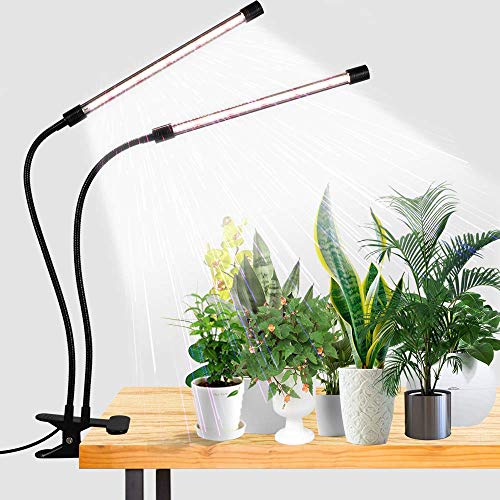
6000K White Light - equipped with 10 Red + 74 White LEDs, this growing Lamp is similar to the full-spectrum sunlight at noon,that is professionally designed for indoor garden plants.Moreover, its color rendering index is as high as 95, the light is soft and flicker-free, which is very suitable for reading lamp

NOTE: The product stand needs to be pressed down by the flower pot to be stable. Not wireless style. 2 Installation Methods: Specially designed plant light for indoor plants, which can be inserted in the soil or stand for lighting.Unique and easy to assemble and disassemble.
Light Requirements
Lettuce needs ample light for optimal growth. Aim for 12-16 hours of light daily. For indoor gardening, use full-spectrum LED grow lights. Place lights 6-12 inches above the plants. If you’re growing outdoors, select a location that receives morning sun and afternoon shade, particularly in warmer months. Monitor leaf color; if they become spindly or pale, increase the light exposure.
Temperature and Humidity Levels
Lettuce prefers cooler temperatures. Ideally, daytime temperatures should range between 60°F to 70°F. Nights are best kept between 50°F to 55°F. If temperatures exceed 75°F, growth slows, and plants may bolt. Use row covers or shade cloths during hot spells to provide relief.
Humidity plays a significant role as well. Keep humidity levels around 50%-70% for best results. If you notice any wilting or leaf discoloration, adjust your humidity. Mist plants lightly or use a humidifier indoors. Remember, stable conditions contribute to healthy, vibrant lettuce.
Growing Lettuce Indoors
Growing lettuce indoors allows you to enjoy fresh greens year-round. You can set up your indoor gardening space effectively to create optimal conditions for your lettuce plants.
Recommended Products
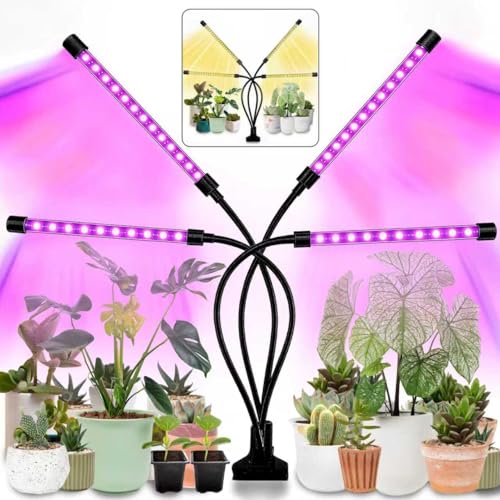
🌻Efficient LED Combination: This LED lamp has grow lights made up of 80 efficient growing LEDs ( 32 red lights, 12 blue lights,20 yellow lights and 16 white lights). It meets the conditions of plant growth without sunlight. 1--Full Spectrum(380nm-800nm): Suitable for all plants to root and sprout. 2--Red(660nm)+BLUE(460nm) Spectrum: for blooming and fruits. 3--Red+Blue+Full Spectrum: A mix of Red+Blue+Warm White is best to fuel the growth of your plants.

Wellness Indicator: This humidity meter with humidity level icon indicates air conditions - DRY/COMFORT/WET, allowing this humidity sensor to ensure you’re always aware of changes to your home/household with just a quick glance

Compact Grow Light Fits Practically Anywhere:this compact grow light fits on a countertop or work desk, under kitchen cabinets, Supplies light-craving plants like herbs and succulents with all the light they need to flourish. Fits easily into a college dorm room, studio apartment, or any other setting where space is at a premium.
Setting Up an Indoor Garden
Start by selecting a bright location in your home. A south-facing window is ideal for letting in natural light. If natural light isn’t sufficient, consider using full-spectrum LED grow lights, ensuring your lettuce gets 12-16 hours of light daily. Arrange your lights to be 6-12 inches above your plants for best results.
Maintain a consistent temperature between 60°F and 70°F during the day, and don’t drop below 50°F at night. Use a thermometer and hygrometer to monitor conditions. Keep humidity levels around 50%-70%. You can achieve this by misting your plants or placing a small humidifier nearby.
Recommended Containers and Soil
Choose containers with drainage holes to prevent waterlogging. Standard pots, recycled plastic containers, or even seed trays work well. Ensure each container offers at least 6-8 inches of depth for rooting.
Use high-quality potting soil, ideally formulated for vegetables. Mix in compost to enrich the soil further, providing essential nutrients. Additionally, consider a lightweight soil mix to enhance drainage. Fill your containers, leaving about an inch of space at the top to make watering easier.
By establishing a proper setup and using the right materials, you create a thriving environment for your indoor lettuce garden.
Growing Lettuce Outdoors
Growing lettuce outdoors provides a rewarding experience, allowing for fresh greens throughout the year with proper care.
Choosing the Right Location
Selecting the right spot ensures strong growth. Look for a location that gets at least 6 hours of sunlight daily. Morning sun works best, as it warms the soil and reduces the chances of disease. Afternoon shade helps keep plants cool during hot weather. If your area has strong winds, consider a spot with natural protection, like trees or structures.
Seasonal Care Tips
Caring for outdoor lettuce requires seasonal adjustments:
- Spring and Fall: Sow seeds directly into well-prepared soil rich in organic matter. Aim for a soil temperature between 55°F and 65°F for optimal germination. Thin seedlings to allow 6-12 inches apart for ample air circulation.
- Summer: Use a shade cloth to protect plants from intense heat. Water consistently, ensuring the soil stays moist but not soggy. Consider planting heat-tolerant varieties like Butterhead or Oakleaf during hotter months.
- Winter: If your climate allows, use row covers to insulate plants. Choose slow-growing varieties for winter crops. Protect plants from frost by covering them during cold nights or using cold frames.
Following these tips enables you to grow healthy, vibrant lettuce all year round while minimizing challenges associated with seasonal changes.
Common Pests and Diseases
Pests and diseases can significantly impact your lettuce crop. Identifying and addressing these issues promptly helps ensure healthy growth year-round.
Prevention Strategies
- Crop Rotation: Rotate your lettuce with other crops each season. This practice prevents soil-borne diseases from taking hold.
- Good Hygiene: Keep your gardening area clean. Remove dead plant material and debris to reduce pest habitats.
- Companion Planting: Utilize plants like marigolds or garlic to deter pests naturally. These plants can repel aphids and other harmful insects.
- Proper Spacing: Space your lettuce plants adequately. This allows for good air circulation, minimizing humidity buildup that can lead to diseases like downy mildew.
- Neem Oil: Apply neem oil to control aphids and spider mites. This natural pesticide suffocates pests while being safe for your plants.
- Diatomaceous Earth: Dust diatomaceous earth around plants. This powder helps control soft-bodied insects like slugs and aphids by damaging their exoskeletons.
- Beneficial Insects: Introduce ladybugs and lacewings to your garden. These insects eat harmful pests, keeping your lettuce safe and healthy.
- Homemade Sprays: Use a mixture of water and dish soap as a gentle spray for aphid infestations. The soap breaks down the insects’ protective outer layer, killing them without harming your plants.
By remaining vigilant and employing effective prevention and organic solutions, you can successfully protect your lettuce from common pests and diseases throughout the year.
Conclusion
Growing lettuce all year round is totally achievable with the right approach. By selecting the best varieties and creating ideal growing conditions you can enjoy fresh greens no matter the season.
Whether you choose to grow indoors or outdoors remember that attention to light temperature and humidity is key. Don’t forget to keep an eye out for pests and diseases to protect your hard work.
With a little patience and care you’ll be rewarded with vibrant lettuce that adds both flavor and nutrition to your meals. Happy gardening and enjoy your year-round harvest!
Frequently Asked Questions
What lettuce varieties are best for year-round gardening?
Lettuce varieties suitable for year-round gardening include Butterhead, Romaine, Leaf, Oakleaf, and Mesclun mixes. Each variety has unique characteristics that allow it to thrive in different temperatures, making them ideal for continuous growth throughout the year.
How much light do lettuce plants need?
Lettuce plants require 12-16 hours of light daily for optimal growth. For indoor gardening, full-spectrum LED grow lights are recommended, while outdoor gardens should be placed in areas with morning sun and afternoon shade.
What are the ideal temperature and humidity levels for growing lettuce?
Lettuce thrives in cooler temperatures between 60°F to 70°F during the day and 50°F to 55°F at night. Humidity levels around 50%-70% are optimal for healthy growth and development.
How can I grow lettuce indoors?
To grow lettuce indoors, find a bright location, ideally a south-facing window. Use full-spectrum LED grow lights if natural light is insufficient, and maintain consistent temperature and humidity. Choose containers with drainage holes and quality potting soil mixed with compost.
What tips can help me grow lettuce outdoors successfully?
For outdoor lettuce cultivation, select a location that receives at least 6 hours of sunlight daily, preferably with morning sun and afternoon shade. Sow seeds in spring and fall, and use shade cloth in summer or row covers in winter to protect plants from extreme weather.
How can I manage pests and diseases in lettuce crops?
To manage pests and diseases in lettuce, practice crop rotation and maintain good hygiene in the gardening area. Employ companion planting with pest-repelling plants, ensure proper spacing, and consider organic solutions like neem oil and beneficial insects for effective pest control.
