

Have you ever thought about growing your own romaine lettuce but aren’t sure if you can do it in a pot? You’re not alone! Many people want to enjoy fresh greens at home but worry about space and gardening skills.
Key Takeaways
- Romaine Lettuce Characteristics: Romaine lettuce matures in 70 to 80 days, has elongated leaves, and offers a mildly sweet flavor, making it popular for salads and sandwiches.
- Optimal Growing Conditions: For successful pot gardening, romaine requires full sunlight (6 to 8 hours daily), well-draining nutrient-rich soil, and consistent moisture without waterlogging.
- Ideal Pot Size: Use pots that are 6 to 12 inches deep with drainage holes to accommodate root growth and prevent water-related complications.
- Planting Instructions: Start with high-quality seeds, sow them ¼ to ½ inch deep, and ensure adequate spacing. Water gently after planting and fertilize every 4 to 6 weeks.
- Care and Maintenance: Regularly check soil moisture, water effectively at the plant base, and fertilize with a balanced solution to promote healthy growth and robust flavor.
- Space Efficiency and Accessibility: Container gardening enhances growing potential in limited spaces, making it easier to access your romaine lettuce for care and harvesting.
Understanding Romaine Lettuce
Romaine lettuce is a popular leafy green, celebrated for its crisp texture and mild flavor. It’s versatile in salads, sandwiches, and wraps. Knowing the basics of romaine lettuce helps you decide if it’s suitable for pot gardening.
Characteristics
- Growth Cycle: Romaine lettuce grows quickly, typically maturing in 70 to 80 days.
- Leaf Structure: Leaves are elongated and tightly packed, forming a sturdy head.
- Taste: Romaine offers a slightly sweet taste, adding crunch to dishes.
Growing Conditions
- Sunlight: Romaine needs full sun, around 6 to 8 hours daily.
- Soil: Use well-draining, nutrient-rich soil. A mix of potting soil with compost works well.
- Water: Keep the soil consistently moist, but avoid overwatering.
Ideal Pot Size
- Container: Select a pot that’s at least 6 to 12 inches deep for proper root development.
- Drainage: Ensure your container has drainage holes to prevent waterlogging.
Planting Instructions
- Select Seeds: Choose high-quality romaine lettuce seeds. Varieties like “Buttercrunch” or “Parris Island” are good options.
- Fill Pot: Add your soil mix to the pot, leaving about an inch of space at the top.
- Sow Seeds: Plant seeds ¼ to ½ inch deep, spacing them 6 to 12 inches apart.
- Water Gently: After planting, water lightly to settle the soil around the seeds.
- Fertilization: Apply a balanced fertilizer every 4 to 6 weeks to promote growth.
- Thinning: Once seedlings reach about 2 inches, thin them to prevent overcrowding.
- Pest Management: Check regularly for pests like aphids or snails. Use organic pesticides if needed.
By understanding these key aspects of romaine lettuce, you can confidently grow it in pots at home.
Benefits of Growing Romaine Lettuce in Pots
Growing romaine lettuce in pots offers several advantages that can enhance your gardening experience. From maximizing small spaces to simplifying maintenance, potted romaine can thrive in various conditions, making it a smart choice for many gardeners.
Space Efficiency
Using pots for romaine lettuce helps you maximize available space. You can easily set containers on patios, balconies, or even windowsills. This method removes the need for large garden beds, allowing you to grow fresh greens in tight areas. You can stagger pots vertically or place them side by side, making the best use of vertical gardening techniques.
Accessibility for Care
Potted romaine lettuce is easier to reach, making care more convenient. You can adjust pot height for comfortable access, reducing bending or kneeling. Container gardening also simplifies watering and harvesting. With pots, you can keep track of moisture levels and ensure consistent care. Moving pots to optimal sunlight spots is effortless, helping you provide ideal growing conditions year-round.
Ideal Conditions for Planting
Creating the right environment ensures successful growth for your romaine lettuce in pots. Focus on soil quality and light conditions to support healthy development.
Recommended Products

FEEDS UP TO 6 MONTHS: Miracle-Gro Potting Mix is a gardening soil for outdoor containers that feeds all types of potted plants, including flowers, vegetables, shrubs, annuals, and perennials for up to 6 months

HELPS REGULATE SOIL MOISTURE: Miracle-Gro Organic Indoor Potting Soil Mix is an organic potting soil that protects indoor plants against over and under watering

Miracle-Gro Indoor Potting Mix for Seed Starting grows stronger roots for seeding success (vs unfed when used as directed)
Soil Requirements
Use well-draining, nutrient-rich soil for optimal growth. A mix of potting soil, compost, and vermiculite provides essential nutrients and helps retain moisture. Aim for a pH level between 6.0 and 7.0, as romaine lettuce thrives in slightly acidic to neutral soil. Before planting, test your soil or purchase a pre-mixed potting blend specifically for vegetables.
Examples of suitable soil mixes include:
- Seedling Mix: Lightweight, sterile, great for starting seeds.
- Vegetable Potting Mix: Contains added fertilizers and organic matter.
Ensure your pot has drainage holes to prevent waterlogging, which can lead to root rot.
Light Conditions
Romaine lettuce requires full sunlight for 6 to 8 hours daily. Position your pots where they receive ample sunlight, ideally on south-facing patios, balconies, or windowsills. If natural light is limited, consider supplementing with grow lights.
Monitor your plants for signs of insufficient light, such as elongated stems or pale leaves. If you notice these symptoms, relocate your pots to brighter spots or adjust your light setup.
By ensuring the right soil and light conditions, you’ll create the ideal environment for your romaine lettuce to thrive.
Step-by-Step Guide to Planting
Planting romaine lettuce in a pot is straightforward if you follow a few essential steps. This guide walks you through choosing the right pot and planting seeds or seedlings effectively.
Recommended Products

White hearts, leaves have crispy, sweet flavor
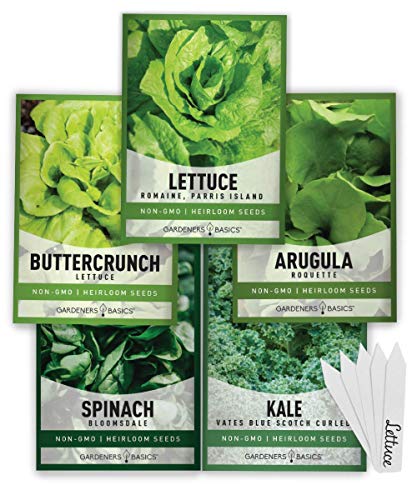
Five leafy greens varieties: Plant Parris Island romaine lettuce seeds, Buttercrunch lettuce seeds, Roquette arugula seeds, Vates Blue Scotch Curled kale seeds, and Bloomsdale spinach seeds. Includes 4,500+ seeds in five separate labeled packets.

🥬 Heat-Tolerant Upright Romaine: Jericho Romaine Lettuce (Lactuca sativa) forms tall, sturdy heads with crisp ribs and tender, mildly sweet leaves. Known for its strong heat tolerance compared to many romaine varieties, it grows 18–24 inches tall and delivers reliable harvests in extended spring and early summer conditions.
Choosing the Right Pot
Selecting the right pot sets the foundation for healthy romaine lettuce growth. Look for containers that are:
- Size: Choose pots that are 6 to 12 inches deep. This depth allows for adequate root development.
- Drainage: Ensure pots have drainage holes to prevent waterlogging, which can lead to root rot.
- Material: Consider materials like terracotta, plastic, or ceramic. Each has its advantages, but all should ensure proper drainage.
Position your pot in a spot that receives full sun for 6 to 8 hours daily. If natural light is lacking, think about using grow lights for support.
Planting Seeds or Seedlings
Once you’ve selected the right pot, it’s time to plant:
- Gather Seeds or Seedlings: Start with high-quality romaine lettuce seeds or young seedlings from a nursery.
- Prepare the Soil: Fill the pot with well-draining, nutrient-rich soil. A good mix includes potting soil and compost, creating a fertile base.
- Sow Seeds: If using seeds, scatter them evenly across the soil surface. Cover the seeds lightly with soil, about ¼ inch deep.
- Transplant Seedlings: If using seedlings, create small holes in the soil. Place each seedling gently in its hole, covering the roots without compacting the soil.
- Water Gently: Use a spray bottle or soft watering can. Water thoroughly but avoid soaking the soil too much.
- Fertilize: Fertilize every 4 to 6 weeks with a balanced, water-soluble fertilizer to promote growth.
Monitor your plants for overcrowding and thin them out if needed. Maintain a consistent watering schedule, ensuring the soil remains moist but not soggy.
By following these steps, you can confidently cultivate delicious romaine lettuce in containers, maximizing your space while enjoying fresh greens at home.
Care and Maintenance Tips
Caring for your potted romaine lettuce ensures healthy growth and a bountiful harvest. Follow these straightforward strategies for optimal results.
Recommended Products


High-Quality PE Material with Drainage Hole: Crafted from durable and flexible PE material, these grow bags are built to withstand outdoor conditions without cracking. The bottom drainage hole provides essential airflow to roots and prevent overwatering and root rot, ensuring your plants thrive in a well-aerated environment.

Complete Lettuce Garden Starter Kit Indoor – 5 heirloom salad and green seed packets, 8 biodegradable soil disks, 8 plant markers, and 8 starter pots. Romaine, Spinach, Arugula, Kale and Buttercrunch lettuce heirloom seeds are the star of the set!
Watering Strategies
Water your romaine lettuce consistently to keep the soil moist but not soggy. Check the top inch of the soil; if it feels dry, it’s time to water. Use these methods for effective watering:
- Watering Frequency: Water seedlings every 2 to 3 days, increasing to daily watering as they mature.
- Watering Method: Water at the base of the plant, avoiding wetting the leaves to minimize disease risk.
- Drainage Checks: Ensure excess water drains quickly from the pot. Letting your pot sit in water can lead to root rot.
Fertilization Needs
Feeding your romaine lettuce helps it grow strong and flavorful. Incorporate these fertilization tips into your routine:
- Type of Fertilizer: Use a balanced, slow-release fertilizer with an N-P-K ratio of 10-10-10. This provides essential nutrients over time.
- Fertilization Frequency: Apply fertilizer every 4 to 6 weeks, starting two weeks after planting.
- Dilution Method: If using liquid fertilizer, dilute it to half strength to prevent burning the roots.
By following these care and maintenance tips, you can cultivate healthy and delicious romaine lettuce in pots, ensuring an enjoyable gardening experience.
Conclusion
Growing romaine lettuce in pots is not just possible but also a rewarding experience. You can enjoy fresh greens right from your own space with a little care and the right conditions. By choosing the right pot and soil and ensuring your plants get enough sunlight and moisture, you’ll set yourself up for success.
Remember to keep an eye on your plants and adjust your care routine as needed. With patience and attention, you’ll be harvesting crisp, delicious romaine lettuce in no time. So go ahead and start your container garden adventure—you’ve got this!
Frequently Asked Questions
Can I grow romaine lettuce in pots?
Yes, you can easily grow romaine lettuce in pots! This container gardening method is perfect for maximizing small spaces, allowing you to enjoy fresh greens at home.
What are the ideal pot dimensions for growing romaine lettuce?
Choose pots that are at least 6 to 12 inches deep with drainage holes. This depth ensures adequate root space and proper water drainage for healthy growth.
How much sunlight does romaine lettuce need?
Romaine lettuce thrives in full sun, requiring 6 to 8 hours of sunlight daily. Ensure your pots are placed in bright areas or use grow lights if natural light is insufficient.
What type of soil is best for romaine lettuce?
Use well-draining, nutrient-rich soil, ideally a mix of potting soil, compost, and vermiculite. A pH level between 6.0 and 7.0 helps support optimal growth.
How often should I water my romaine lettuce?
Water your romaine lettuce consistently, checking the top inch of soil for dryness. Initially, water every 2 to 3 days and increase frequency as the plants mature.
Do I need to fertilize romaine lettuce?
Yes, fertilize romaine lettuce every 4 to 6 weeks using a balanced, slow-release fertilizer with an N-P-K ratio of 10-10-10. Dilute liquid fertilizers to half strength to prevent root burn.
How long does it take for romaine lettuce to grow?
Romaine lettuce has a quick growth cycle, typically taking about 70 to 80 days from seed to harvest. Following the right care practices will help you achieve this timeframe.
What are the benefits of growing romaine lettuce in pots?
Growing romaine lettuce in pots maximizes limited spaces and simplifies maintenance. You can easily access your plants for watering and harvesting while enjoying fresh produce at home.
