

Have you ever wanted to enjoy fresh, crisp lettuce right from your garden? Growing Grand Rapids lettuce is a fantastic way to bring flavor and nutrition to your meals while adding a touch of green to your space. This easy-to-grow variety thrives in various conditions, making it perfect for both seasoned gardeners and beginners alike.
Key Takeaways
- Ideal Growing Conditions: Grand Rapids lettuce thrives in cooler temperatures (60°F to 75°F) with 6-8 hours of full sun daily, making it suitable for various climates.
- Soil Requirements: Use loose, well-draining soil with a pH level between 6.0 and 7.0, enriched with organic matter for optimal growth.
- Watering & Fertilization: Maintain consistent moisture (1 inch per week) and fertilize with a balanced organic fertilizer every four weeks to ensure healthy plants.
- Harvesting Techniques: Harvest outer leaves when they reach 4-6 inches, using scissors to cut without damaging the roots, and aim for early morning to enhance flavor.
- Pest & Disease Management: Monitor for common pests like aphids and slugs, and implement strategies like crop rotation and using organic treatments to combat diseases.
- Staggered Planting: Consider staggered planting for continuous harvest throughout the growing season, maximizing yield and freshness.
Overview Of Grand Rapids Lettuce
Grand Rapids lettuce stands out for its crisp texture and vibrant, frilly leaves. This variety thrives in cooler temperatures and offers a mild flavor, making it a versatile choice in salads and sandwiches.
Growth Characteristics
- Type: Loose-leaf, which means you can harvest outer leaves without impacting the plant’s overall growth.
- Color: Green with red tinges, adding visual appeal to your garden.
- Size: Typically grows to about 6-12 inches tall, making it manageable for various spaces.
Climate Requirements
- Temperature Range: Ideal growth occurs between 60°F and 75°F. Too much heat can lead to bolting.
- Light Needs: Prefers full sun but can tolerate partial shade, especially during peak summer months.
Soil Preferences
- Type: Loose, well-draining soil enhances root growth and nutrient absorption.
- pH Level: Best suited for soil pH between 6.0 and 7.0. You can test your soil and adjust it using lime or sulfur as necessary.
Watering Guidelines
- Frequency: Water consistently; aim for about 1 inch of moisture per week.
- Method: Use drip irrigation or soaker hoses to keep leaves dry and reduce the risk of fungal diseases.
Fertilization Tips
- Initial Feed: Incorporate a balanced fertilizer at planting, providing necessary nutrients.
- Ongoing Care: Side-dress with compost or organic fertilizer every few weeks to boost growth.
- Timing: Start harvesting when the outer leaves reach 4-6 inches in length. This usually occurs about 30-45 days after planting.
- Method: Cut outer leaves with scissors or a knife, allowing the inner leaves to continue growing.
Growing Grand Rapids lettuce in your garden can be rewarding. The ease of cultivation combined with its delicious flavor enhances any meal. Adjusting to your specific garden conditions guarantees a successful crop season after season.
Choosing The Right Location
Choosing the right location for growing Grand Rapids lettuce is crucial for maximizing yields and ensuring healthy plants. Consider sunlight exposure and soil preferences to create an optimal growing environment.
Sunlight Requirements
Grand Rapids lettuce thrives in full sun. Aim for at least 6-8 hours of direct sunlight daily. Sunlight promotes robust growth and enhances the crispness of the leaves. If you’re in a hotter climate, partial shade during the hottest part of the day can help prevent bolting. Monitor your plants to ensure they’re getting the right amount of light, especially if they’re in a crowded or shaded area.
Soil Preferences
Grand Rapids lettuce prefers loose, well-draining soil. Aim for soil that has a pH level between 6.0 and 7.0. You can improve soil quality by adding organic matter such as compost or aged manure. This enriches the soil, promotes drainage, and helps retain moisture. Before planting, ensure your soil has good texture—crumbly and easy to work with. Test the soil to confirm its pH and structure for the best results.
Planting Grand Rapids Lettuce
Planting Grand Rapids lettuce involves selecting the right seeds and employing effective planting techniques. Follow these guidelines for optimal growth.
Seed Selection
Choose high-quality Grand Rapids lettuce seeds for the best results. Look for certified organic seeds or seeds from reputable garden centers. Consider your specific climate and conditions; some seeds may be more suited for warmer or cooler areas. Ensure the seeds are fresh, as older seeds tend to have lower germination rates. When possible, check for disease-resistant varieties to enhance your success.
Planting Technique
Prepare your garden bed by loosening the soil to a depth of at least 12 inches. Incorporate organic compost to improve soil structure and nutrient content.
- Spacing: Space seeds 12 inches apart in rows, allowing for ample airflow and light. This distance helps prevent overcrowding.
- Sowing Depth: Scatter seeds approximately ¼ inch deep in the soil. Cover lightly with soil and gently pat down.
- Watering: Water immediately after planting to ensure moisture reaches the seeds. Keep the soil consistently moist, but not soggy, during germination.
- Thinning: Once seedlings emerge, thin them out to maintain a spacing of 12 inches between plants for mature growth. Remove the weaker seedlings to give the strongest ones room to thrive.
- Mulching: Apply a layer of organic mulch around your plants to retain moisture and suppress weeds.
Following these steps aids in establishing healthy Grand Rapids lettuce plants. Remember to monitor soil moisture and adjust watering as needed to create a thriving environment.
Caring For Your Lettuce
Caring for your Grand Rapids lettuce involves consistent attention to watering and fertilization. Following these guidelines will help maintain healthy plants and promote growth.
Recommended Products
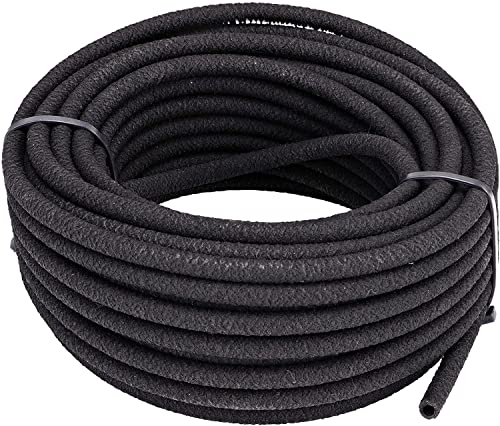
Slowly waters the soil around your plants for complete root zone hydration; Ideal for short runs on flat surfaces, such as vegetable gardens, borders, and around small plants

【Even & Consistent Root Watering】Features micro-pore seepage technology that distributes water evenly along the entire hose, transforming spot watering into uniform line watering directly to plant roots. Unlike traditional drip irrigation systems with clog-prone emitters, this soaker hose creates a continuous moisture band for healthier, deeper-rooted plants
Watering Guidelines
Water your lettuce regularly to keep the soil consistently moist. Aim for about 1 to 1.5 inches of water each week, adjusting for rainfall. Water in the morning to reduce evaporation and prevent diseases. Check the soil moisture by sticking your finger about an inch into the soil. If it feels dry, it’s time to water. Use soaker hoses or drip irrigation for even moisture distribution, avoiding water on the leaves. This method helps prevent fungal diseases.
Fertilization Tips
Fertilize your Grand Rapids lettuce with a balanced, organic fertilizer when plants are about four weeks old. Use a 5-10-10 NPK fertilizer for optimal nutrition. Apply the fertilizer every four weeks, mixing it into the top few inches of soil to ensure proper absorption. Watch for signs of nutrient deficiency, such as yellowing leaves, which indicate a need for additional nutrients. Avoid over-fertilizing, as this can lead to excessive leaf growth with diminished flavor.
Harvesting Techniques
Harvesting Grand Rapids lettuce requires attention to timing and technique to ensure optimal flavor and freshness. Knowing when and how to harvest maximizes your crop yield and enhances taste.
Identifying Harvest Time
Look for specific signs that indicate your Grand Rapids lettuce is ready for harvest. The leaves should reach a height of 6 to 8 inches while maintaining a vibrant green color. Check for maturity approximately 50 to 60 days after planting. If the outer leaves are firm and the center remains tight, it’s the right time to harvest. For a continuous supply, consider a staggered planting approach, enabling you to harvest multiple times throughout the growing season.
Proper Methods For Harvesting
Use the following methods to harvest Grand Rapids lettuce effectively:
- Hand-Picking: Grasp the base of the plant, and gently pull upwards. This technique minimizes root damage.
- Cutting with Scissors: For precision, employ sharp scissors to cut leaves about an inch above the soil. This preserves the roots, allowing for potential regrowth.
- Harvesting in the Morning: Aim for early morning, when temperatures are cool. This ensures crisp, flavorful leaves.
- Clean Containers: Use clean containers to collect your lettuce, reducing the risk of contamination.
- Post-Harvest Care: Rinse leaves gently under cold water and dry them to maintain crispness. Store them in the fridge in a breathable bag to increase shelf life.
Follow these techniques to enjoy fresh, delicious Grand Rapids lettuce, ensuring you make the most of your hard work in the garden.
Common Pests And Diseases
In growing Grand Rapids lettuce, you’ll encounter several common pests and diseases that can affect your crop. Identifying them quickly aids in effective management.
Common Pests
- Aphids: These tiny, soft-bodied insects feed on plant sap. Look for curled leaves and sticky residue. Remove them using a strong blast of water or insecticidal soap.
- Slugs and Snails: These pests create holes in leaves, making them easy to spot. Set beer traps or use copper barriers to deter them.
- Cutworms: These larvae cut stems at the soil level, killing young plants. Use collars made of cardboard or plastic to protect seedlings.
- Leaf Miners: Their larvae create tunnels in leaves. Check for white or brown squiggly lines. Remove affected leaves to reduce the population.
Common Diseases
- Downy Mildew: This fungal disease shows as yellow spots on leaves. Improve air circulation and avoid overhead watering to mitigate its spread.
- Powdery Mildew: Look for a white, powdery coating on leaves. Use a fungicide and ensure sufficient spacing between plants for airflow.
- Bacterial Leaf Spot: This disease causes dark spots on leaves, often surrounded by yellow halos. Implement crop rotation and dispose of infected plants promptly.
- Fusarium Wilt: This soil-borne fungus causes leaves to yellow and wilt. Rotate crops and plant resistant varieties to combat this issue.
- Rotate Crops: Changing the location of your lettuce each season prevents pest and disease buildup.
- Maintain Soil Health: Healthy soil promotes strong plants that resist pests and diseases better. Use compost and mulch for nutrient-rich soil.
- Regular Monitoring: Check your plants frequently for signs of pests or disease. Early detection allows for quicker treatment.
Taking these steps keeps your Grand Rapids lettuce healthy and thriving, ensuring a bountiful harvest.
Conclusion
Growing Grand Rapids lettuce can be a rewarding experience. With the right techniques and care you can enjoy a bountiful harvest. Don’t forget to keep an eye on your plants for any signs of pests or diseases.
By staying proactive and nurturing your soil you’ll create an environment where your lettuce can thrive. So gather your seeds and get started on this delicious journey. Happy gardening!
Frequently Asked Questions
What is Grand Rapids lettuce?
Grand Rapids lettuce is a leafy green variety known for its crisp texture and mild flavor. It’s popular in home gardens and commercial farming due to its ease of cultivation and versatility in salads and sandwiches.
How do I select seeds for Grand Rapids lettuce?
Choose high-quality seeds from a reputable source. Look for seeds labeled as organic or non-GMO for the best results. Ensuring the seeds are fresh will improve germination rates and overall plant health.
What type of soil is best for Grand Rapids lettuce?
Grand Rapids lettuce thrives in well-drained, loamy soil with a pH between 6.0 and 7.0. It’s essential to enrich the soil with organic matter, like compost, to improve soil structure and fertility.
How should I water Grand Rapids lettuce?
Maintain consistent moisture for Grand Rapids lettuce. Water the plants regularly, ideally 1-2 inches per week, depending on rainfall. Avoid overhead watering to prevent diseases; instead, use drip irrigation or a soaker hose.
When is the best time to harvest Grand Rapids lettuce?
Harvest Grand Rapids lettuce when the leaves are young and tender, usually 45–60 days after planting. Cut the outer leaves first, allowing the inner leaves to continue growing for a prolonged harvest.
What are common pests affecting Grand Rapids lettuce?
Common pests include aphids, slugs, and leaf miners. Regular monitoring and using organic pest control methods, like neem oil or insecticidal soap, can help manage these pests effectively.
What diseases commonly affect Grand Rapids lettuce?
Two major diseases that affect Grand Rapids lettuce are Downy Mildew and Fusarium Wilt. Crop rotation, maintaining good airflow, and removing infected plants can help prevent these diseases from spreading.
How can I improve soil health for growing Grand Rapids lettuce?
To enhance soil health, regularly add organic matter, such as compost or well-rotted manure. Practicing crop rotation and cover cropping further supports microbial diversity and nutrient availability in the soil.
