

Ever wondered how to grow frost beets that thrive on your farm no matter the weather? Picture this: a chilly morning, the frost glistening on your beet leaves, a sight of resilience and beauty. In this article, you’ll discover the secrets to cultivating robust frost beets that can weather the cold like champions.
Are you tired of wilted beets that succumb to frosty conditions? By learning the art of growing frost beets effectively, you’ll unlock a world of benefits. From enhancing your farm’s resilience to enjoying a bountiful harvest even in chilly climates, mastering the cultivation of frost beets is a game-changer for any farmer.
Choosing the Right Beet Varieties
When choosing beet varieties for your frost beet farm, consider the following factors:
- Cold Tolerance: Opt for varieties known for their ability to withstand frosty conditions.
- Early Maturity: Select beet types that have a shorter growing season to avoid frost damage.
- Root Size: Choose varieties that match your desired beet size for optimal harvest.
Remember, selecting the right beet varieties is crucial for a successful frost beet farm.
Ideal Soil Conditions for Frost Beets
To grow thriving frost beets on your farm, it’s crucial to ensure that you have ideal soil conditions. Here are some key aspects to consider:
- Optimal pH level is 6.0 to 7.0 for healthy beet growth
- Well-draining soil prevents waterlogging and root rot
- Soil rich in organic matter promotes nutrient uptake for beets
- Sandy loam soil is ideal for frost beets due to its texture and drainage
Remember, healthy soil is the foundation for successful beet cultivation.
Planting Techniques for Cold-resistant Beets
When planting your frost beets, there are a few key techniques you should keep in mind to ensure a successful harvest even in cold weather. Here’s what you need to know:
- Spacing: Plant your beet seeds about 1 inch apart to give them enough room to grow and develop well.
- Depth: Sow the seeds about 1/2 inch deep in the soil to enable proper germination.
- Timing: Aim to plant your beet seeds 2-4 weeks before the last frost date for your area to allow them to establish before colder temperatures hit.
- Watering: Keep the soil consistently moist but not waterlogged. Beets prefer even moisture throughout their growth cycle.
- Thinning: Once the seedlings have sprouted, thin them to about 3-4 inches apart to promote healthy root development.
- Fertilization: Use a balanced fertilizer or compost to provide essential nutrients for your beets to thrive.
By following these planting techniques, you’ll give your frost beets the best chance to grow strong and healthy even in chilly conditions.
Providing Adequate Frost Protection
- Covering your beets: Use row covers or cloches to shield your plants from frost.
- Mulching: Apply a thick layer of mulch around your plants to help retain soil heat.
- Watering strategies: Water your beets before an expected frost as moist soil can retain heat better.
- Plant placement: Consider planting your beets in raised beds or mounded rows to elevate them slightly above colder air near the ground.
- Monitoring weather conditions: Stay informed about impending frost warnings in your area to take timely protective measures.
| Fact | Data |
|---|---|
| Optimal pH Level | 6.0-7.0 |
| Ideal Soil Type | Sandy loam |
| Recommended Spacing | 3-4 inches apart |
| Depth of Planting | 1/2 inch deep |
| Frost Protection Tips | Row covers, Mulching, Watering before frost |
Recommended Products
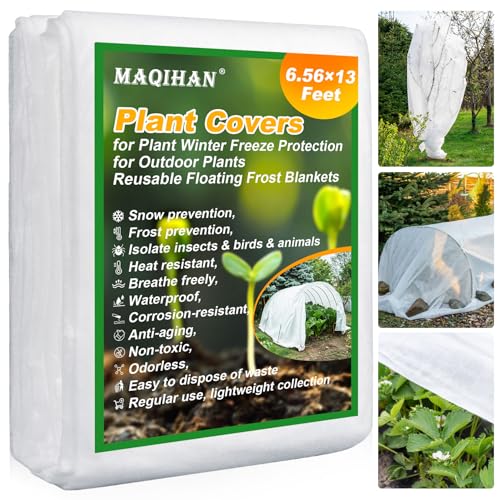
Product Features: Our plant covers are ideal for protecting all plant. Made from premium 1 oz/sq non-woven fabric, their durability and breathability ensuring both insulation against frost and facilitation of sunlight penetration for healthy plant growth
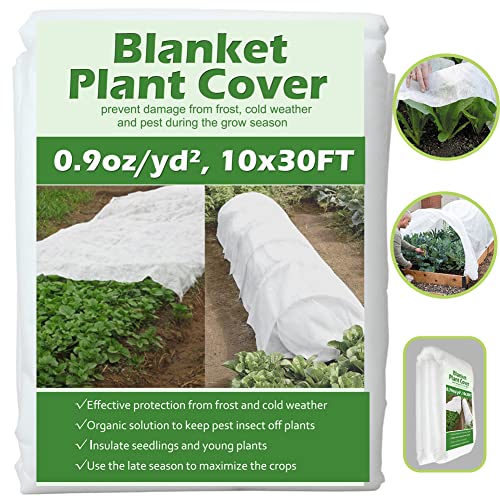
※Big Size to cover large area : The size of our plant cover is 10x30ft, the size can cover large areas. You can cut the plant covers freeze protection into different sizes for different use. You can cover it over the plant such as shrub tomato, pepper, pumpkin, and so on.

THICKER MATERIAL: Our plant freeze protection cover is made of UV stabilized polypropylene. Upgraded thicker 0.9oz./sq.yard lightweight but durable. Soft plant covers are friendly and no harm to your plants. Breathable non-woven fabric allow light, air go through the frost cloths and reach the plants.
Harvesting and Storing Frost Beets
When harvesting frost beets, gently loosen the soil around them using a garden fork. Pull them out carefully to avoid damaging the roots.
Trim the tops to about an inch above the beet, leaving some stem to prevent bleed-out during cooking.
For storage, keep your frost beets in a cool, dark place like a root cellar or the vegetable crisper of your refrigerator. Remove the greens before storing to prevent moisture loss.
| Aspect | Information |
|---|---|
| Optimal Storage Temp | 32-40°F |
| Shelf Life | 1-3 months |
| Humidity | 95% |
Conclusion
You’re now equipped with valuable insights on harvesting and storing frost beets. Remember to handle them with care during harvesting to maintain their quality. Trimming the tops properly and storing them in the right conditions will ensure they stay fresh for longer. By following these tips, you’ll be able to enjoy your homegrown frost beets for months to come. Happy farming!
Frequently Asked Questions
How should I harvest frost beets to avoid damage?
To prevent root damage, gently loosen the soil around the plants during harvesting. Trim beet tops to one inch above the beet to prevent bleed-out during cooking. Leave some stem intact.
Where is the best place to store frost beets?
Store frost beets in a cool, dark place like a root cellar or vegetable crisper. Make sure to remove the greens before storing to prevent moisture loss.
What temperature is ideal for storing frost beets?
The optimal storage temperature for frost beets is between 32-40°F.
How long can frost beets be stored?
Frost beets can typically be stored for 1-3 months.
What level of humidity is required for storing frost beets?
Maintain a humidity level of 95% when storing frost beets.
