

Ever wondered how you can turn that patch of soil in your backyard into a vibrant carrot garden? Picture this: you step outside, pluck fresh, crunchy carrots straight from the ground, and savor the taste of your homegrown harvest. Exciting, isn’t it? In this article, you’ll discover simple yet effective ways to grow carrot seeds successfully.
Selecting Carrot Seeds
When choosing carrot seeds, opt for varieties that suit your garden’s climate and your preference in taste:
- Consider climate requirements for optimal growth.
- Choose between heirloom and hybrid seeds based on your preference.
Visit local nurseries or online stores for a wide range of carrot seed options. Look for:
- High-quality seeds with a high germination rate.
- Varieties suited to your region’s growing season.
Check the seed packet for essential information like:
- Days to maturity.
- Ideal planting depth.
- Spacing requirements for proper growth.
Look for certified organic seeds if you prefer organic gardening:
- These seeds are non-GMO and free from pesticides.
Recommended Products

Premium Seeds: Tendersweet heirloom carrot variety offering approximately 2600 seeds for extensive garden planting and multiple growing seasons

Daucus Carota Sub. Sativus: These finest quality, non-GMO, organic Rainbow Carrot seeds produce a kaleidoscopic array of sweet, juicy carrots that add a dash of color to your favorite dishes and taste great too.

Daucus Carota Sub. Sativus: These finest quality, non-GMO, organic Scarlet Nantes Carrot seeds produce sweet, red-orange carrots with a big crunch. Coreless with fine-grained flesh, they’re ideal for juicing, snacking and cooking.
Choosing the Right Planting Location
When deciding where to plant your carrot seeds, there are a few key factors to consider to ensure a successful harvest:
- Sunlight: Carrots thrive in full sunlight, so choose a spot in your garden that receives at least 6-8 hours of direct sunlight each day.
- Soil: Opt for well-draining, loose soil that is free of rocks and clumps to allow your carrots to grow long and straight.
- pH Level: Carrots prefer slightly acidic to neutral soil with a pH level between 6.0 and 7.0.
- Space: Make sure to leave enough space between rows to allow for proper growth and airflow. Thin out seedlings as they grow to prevent overcrowding.
Consider these factors when selecting the perfect spot in your garden for planting your carrot seeds.
Preparing the Soil
When it’s time to plant your carrot seeds, Preparing the Soil is crucial for their growth. Here are some essential steps to ensure your soil is ready:
- Start by loosening the soil in your chosen planting area.
- Remove any rocks, weeds, or debris that could impede the growth of your carrots.
- Work in compost or well-rotted manure to enrich the soil with nutrients.
- Aim for a soil pH level between 6.0 and 6.8, slightly acidic to neutral, for optimal carrot growth.
- Ensure the soil is well-draining to prevent waterlogging, which can cause rotting.
| Soil pH Level | Optimal Range |
|---|---|
| 6.0 – 6.8 |
Creating the right soil conditions sets the foundation for healthy carrot growth.
Recommended Products

🌱 COMPLETE 10-PIECE KIT — Everything you need to start seeds in one box: 10 biodegradable peat pots, 10 expandable coco coir soil discs, and 10 plant markers. Just add water and sow — no extra supplies needed for herbs, vegetables, or flowers.

Organized Cell Design: Separate cells prevent root tangling for easier transplanting and higher survival rates

12-LED GROW LIGHT PER TRAY — Each of the five seed starting trays features a full-spectrum grow light with 12 LED beads, providing supplemental light for indoor seedlings.
Planting Carrot Seeds
Growing your own carrots is not only rewarding but also relatively straightforward when you follow the right steps. In this section, we’ll guide you through the process of planting carrot seeds to help you kickstart your carrot-growing journey successfully.
To begin, prepare the soil as discussed earlier to ensure your carrot seeds have the best possible start. Be sure the soil is loose and free of obstacles that could impede growth.
When planting your carrot seeds, remember to sow them thinly to avoid overcrowding. Carrot seeds are small, so a light covering of soil is sufficient.
Watering is crucial after planting to facilitate germination. Keep the soil consistently moist but avoid overwatering, as carrots prefer well-drained conditions.
Once your seeds have sprouted, thinning is necessary to allow for proper root development. Aim to space the young seedlings about 1 to 4 inches apart to ensure they have room to grow.
As your carrot plants continue to develop, ensure they receive adequate sunlight and regular moisture. Consider adding a layer of organic mulch to help retain soil moisture and suppress weeds.
Following these steps diligently will set you on the path to enjoying a bountiful harvest of fresh, homegrown carrots in your garden. Remember, patience and care are key to successfully growing delicious and nutritious carrots right in your backyard.
Caring for Carrot Seedlings
Growing healthy carrot seedlings is crucial for a bountiful harvest. Here’s how you can care for them:
- Watering: Keep the soil consistently moist, but not waterlogged. Overwatering can lead to rot, while underwatering stunts growth.
- Thinning: Once seedlings reach about 2 inches in height, thin them to ensure proper spacing. Crowded plants compete for nutrients and won’t produce well.
- Weeding: Regularly remove weeds around seedlings to prevent them from stealing nutrients from your carrots.
- Fertilizing: Use a balanced fertilizer to support healthy growth. Avoid high-nitrogen fertilizers, which can result in lush green tops but stunted roots.
- Protection: Shield seedlings from pests like carrot rust flies by using row covers or planting companion plants like onions or leeks.
- Sunlight: Ensure your seedlings get at least 6 hours of sunlight daily for optimal growth.
- Mulching: Mulch around seedlings to retain moisture and suppress weeds. Organic mulches like straw or grass clippings work well.
| Sunlight Requirement | Caring for Carrot Seedlings |
|---|---|
| At least 6 hours daily | Water consistently, thin, weed, fertilize with balanced fertilizer, protect from pests, and mulch. |
Recommended Products

Please watch the video if you have any problem on how to Install it
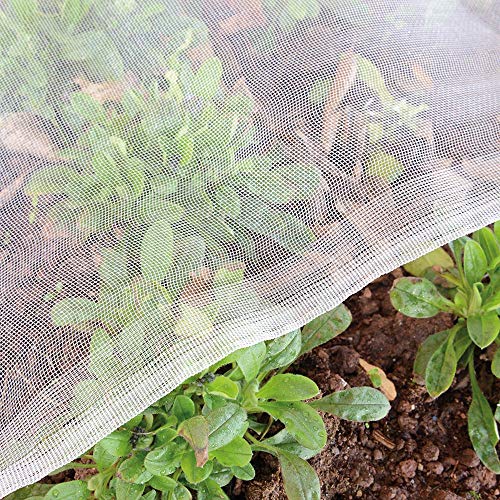
🥬Effective Bug Barrier: Protecting plants and vegetables from a wide range of pest insects and animals, such as cicadas, carrot fly and many species of aphids, you will get a healthier and happier garden

Protection Function: The raised garden bed plant protectors quickly create a closed space that protects the plants from insects, birds and animals, while also allowing sunlight air and moisture to enter, and providing a healthy environment for plant growth.
Conclusion
You’ve now learned the essential care tips for nurturing your carrot seedlings to maturity. By watering correctly, spacing them out, keeping weeds at bay, providing balanced nutrients, guarding against pests, ensuring they get enough sunlight, and using mulch, you’re on the right track to a bountiful harvest. Remember, each step plays a vital role in the growth and health of your carrots. With these practices in place, your carrot seeds will thrive and reward you with delicious, homegrown produce. Happy gardening!
Frequently Asked Questions
How often should I water my carrot seedlings?
Water your carrot seedlings consistently, aiming to keep the soil evenly moist but not waterlogged. Check the soil moisture level with your finger before each watering to avoid overwatering or underwatering.
Why is it important to thin carrot seedlings?
Thinning carrot seedlings is essential to provide enough space for proper root development. Crowded seedlings compete for nutrients and water, leading to stunted growth and misshapen carrots.
Which fertilizers should I use for my carrot seedlings?
Use balanced fertilizers with equal ratios of nitrogen, phosphorus, and potassium to ensure healthy growth. Avoid high-nitrogen fertilizers that can promote excessive foliage growth at the expense of root development.
How can I protect my carrot seedlings from pests?
Protect your carrot seedlings from pests by using physical barriers like row covers, applying organic pesticides sparingly, and practicing companion planting with pest-repelling herbs and flowers.
How much sunlight do my carrot seedlings need?
Carrot seedlings require at least 6-8 hours of sunlight per day to thrive. Place them in a sunny location or provide supplemental grow lights if natural sunlight is limited.
Is mulching necessary for carrot seedlings?
Mulching is beneficial for carrot seedlings as it helps retain soil moisture, suppresses weed growth, and regulates soil temperature. Use organic mulches like straw or grass clippings to improve overall plant health.
