

Ever wondered how to grow carrots in the last day on earth? Picture this: you’re in a post-apocalyptic world, craving fresh produce. Fear not, as we’ve got you covered! In this article, you’ll discover the secrets to cultivating carrots even in the most challenging of times.
Imagine the satisfaction of harvesting your own carrots, knowing you’ve defied all odds. With our expert tips, you’ll learn the tricks to grow these crunchy delights in your own doomsday garden. Say goodbye to canned foods and hello to homegrown goodness!
Choosing the Right Carrot Varieties
When selecting carrot varieties for your last day on earth garden, it’s important to consider a few key factors to ensure a successful harvest. Here are some tips to guide you in choosing the right carrot varieties:
- Consider Your Climate: Choose carrot varieties that are well-suited to your specific climate conditions. Some carrots are better suited for colder climates, while others thrive in warmer regions.
- Determine Your Soil Type: Different carrot varieties perform better in various soil types. Whether you have sandy, loamy, or clay soil, there are carrot varieties that can thrive in each type.
- Select Based on Size: Carrot varieties come in various sizes, from smaller round varieties to long and slender ones. Consider the size of carrots you prefer and choose a variety that aligns with your preferences.
- Factor in Growth Time: Carrot varieties have different maturity rates, ranging from early varieties that mature quickly to maincrop varieties that take longer to reach full size. Consider your timeline and select a variety that fits your schedule.
- Choose Based on Flavor: Carrot varieties can vary in flavor profiles, ranging from sweet to earthy. Select a variety that suits your taste preferences for the best culinary experience.
- Opt for Disease Resistance: Some carrot varieties are more resistant to common diseases and pests, which can help ensure a successful harvest even in challenging conditions.
By considering these factors when choosing carrot varieties for your last day on earth garden, you’ll be well on your way to growing a bountiful harvest of fresh and nutritious carrots.
Recommended Products
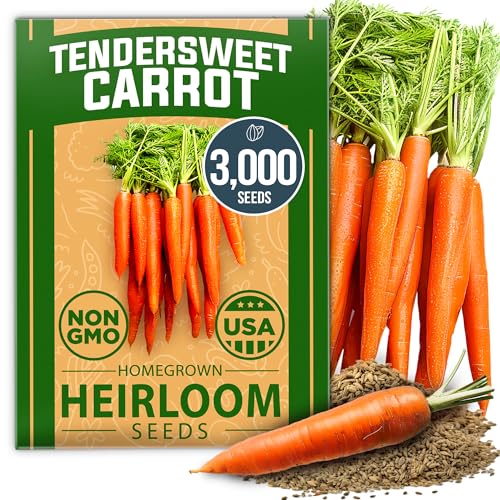
Premium Tendersweet Carrot Seeds: Authentic Open-Pollinated Premium Heirloom Seeds (USA) Non-GMO, Untreated, High Germination Rate. Phenomenal dessert Brix profile. High-impact carotene energy. An outstanding orange monolith for open ground, high ridges, and patio containers. Your garden bed is your pride.

Sweet, Coreless Roots: Heirloom carrots with tender 9-10 inches orange taproots and high sugar content. Grow in 3-10 USDA zones. Great carrots seeds for planting in any home garden.

HEIRLOOM BABY CARROT VARIETY - Little Finger carrots are small but mighty, producing sweet, crisp roots just 3–4 inches long that are perfect for fresh snacking or gourmet meals
Preparing the Soil for Carrots
When it comes to growing carrots in a “last day on earth” scenario, preparing the soil is crucial for a successful harvest. Here’s what you need to do:
- Choose a Sunny Spot: Carrots love sunshine. Select a location in your garden that receives full sunlight for at least 6 hours a day.
- Loosen the Soil: Carrots prefer well-draining soil that is loose to allow the roots to grow straight. Use a garden fork to break up any compacted soil.
- Remove Rocks and Debris: Clear the area of rocks and debris that can impede the carrots’ growth or cause them to fork.
- Add Organic Matter: Mix in compost or well-rotted manure to enrich the soil with nutrients.
- Avoid Fresh Manure: Fresh manure can cause carrots to fork or develop hairy roots. Opt for well-rotted manure.
- Test the pH: Carrots thrive in slightly acidic soil with a pH level between 6.0 and 6.8. Use a soil test kit to check the pH level.
| Soil pH Level | Suitability for Carrots |
|---|---|
| Below 6.0 | Risk of stunted growth |
| 6.0 – 6.8 | Ideal for carrot growth |
| Above 6.8 | Risk of developing issues |
Follow these steps to prepare the soil for carrots and set the foundation for a bountiful harvest in your “last day on earth” garden.
Recommended Products

Quick, at home results for Soil pH, Nitrogen, Phosphorous and Potash Innovative and inexpensive soil test kit features an easy-to-use capsule system and patented color comparators

Comprehensive Soil Analysis: Liquid soil test kits offer a comprehensive analysis of essential soil parameters, including pH, ammonia, nitrogen, phosphorus, and potassium. Having all these measurements in one kit provides a holistic understanding of the soil's fertility and health.

Kindly NOTE: This soil tester can not be applied to test pH value of any other liquid. If the soil is too dry the indicator will not move, and water it before testing.
Planting Carrot Seeds or Seedlings
When it’s time to plant your carrots, here are some tips to help you succeed:
- Seeds: Carrot seeds are tiny, so mix them with some sand for even distribution. Sprinkle them along the row, about half an inch apart.
- Depth: Plant the seeds shallowly, around a quarter to a half an inch deep. Cover them lightly with soil.
- Spacing: Once the seedlings emerge, thin them to about 2 inches apart to allow the carrots to grow to a good size.
- Seedlings: If you’re using seedlings, transplant them carefully to avoid damaging the delicate roots.
Providing Proper Care and Maintenance
Taking care of your carrot plants is crucial for a successful harvest. Here are some essential tips to help you ensure your carrots thrive:
- Watering: Carrots need consistent moisture. Make sure to water them regularly, especially during dry periods. Avoid overwatering to prevent rotting.
- Weeding: Keep your carrot bed weed-free. Weeds can compete with your carrots for nutrients and water, affecting their growth.
- Thinning: Thinning is essential to give your carrots space to develop properly. When the seedlings are a few inches tall, thin them to maintain the recommended spacing between plants.
- Fertilizing: Carrots benefit from fertilization. Consider applying a balanced fertilizer to provide them with the necessary nutrients for healthy growth.
- Monitoring Pests: Keep an eye out for pests that might damage your carrots. Protect your plants from pests like carrot rust fly and aphids.
- Harvesting: Know when it’s time to harvest your carrots. Check for the right size and color, and harvest carefully to avoid damaging the roots.
Recommended Products
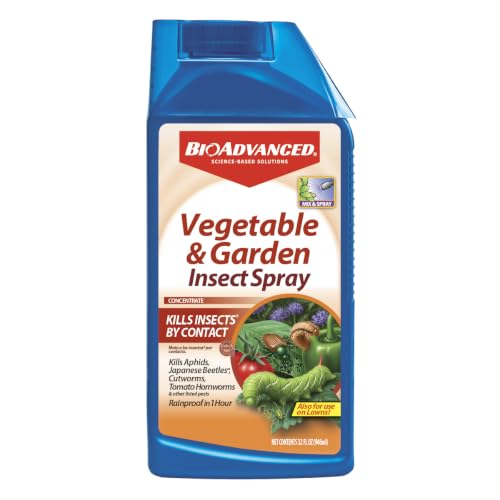
KILLS LISTED INSECTS ON CONTACT: Vegetable & Garden Insect Spray kills stink bugs, ants, ticks, fleas, mosquitos, flies, aphids, and over 70 other listed insects


Garden pest control to protect your lawn, fruits and vegetables from listed damaging pests
Harvesting Fresh Carrots in the Apocalypse
In the chaotic world of the apocalypse, harvesting fresh carrots can provide you with essential nutrients and a taste of normalcy. The process can be rewarding and surprisingly straightforward with a bit of know-how.
Timing is Key
- Harvest your carrots when they reach full size and color.
- Avoid letting them grow too large, as this can lead to toughness and bitterness.
Gentle Extraction
- Loosen the soil around the carrots before pulling them out to avoid breakage.
- Grasp the leaves near the top of the carrot and gently pull while wiggling the root side to loosen it from the ground.
Storage Solutions
- After harvesting, remove the foliage to prevent the carrot from wilting.
- Store them in a cool, dark place with high humidity to maintain freshness longer.
- Prepare your freshly harvested carrots in stir-fries, salads, or enjoy raw for a crunchy snack.
- Share your bounty with fellow survivors to boost morale and form connections in trying times.
Carrots can be a vital addition to your survival garden, providing essential nutrients and a sense of normalcy amidst chaos. With these tips, you can harvest fresh carrots in the apocalypse and enjoy the rewards of your labor.
Conclusion
You’ve now learned the key steps to harvesting fresh carrots in extreme conditions. By timing your harvest right, handling the carrots gently, and storing them properly, you can enjoy fresh produce even in challenging times. Whether you use them in meals or share them with others, these carrots provide not just nutrition but also a sense of normalcy and comfort. Embrace the process of growing and harvesting your own food as a rewarding and essential part of your survival strategy. Keep cultivating your survival garden and enjoy the fruits (or veggies) of your labor!
Frequently Asked Questions
How crucial is timing in harvesting fresh carrots in an apocalyptic scenario?
Timing is critical in an apocalyptic scenario to ensure optimal freshness and flavor. Harvest carrots when the soil is moist but not waterlogged, typically early morning or late evening, to prevent wilting and enhance taste.
How can I extract fresh carrots gently to avoid damage during the harvest?
Gently loosen the soil around the carrot with a garden fork or trowel, grasping the green tops near the base, and pull evenly to lift the carrot from the ground without breaking or bruising it.
What is the best way to store freshly harvested carrots for prolonged freshness?
To maintain carrot freshness, remove excess soil without washing, trim the green tops, and store in a perforated plastic bag in the refrigerator’s vegetable drawer for up to several weeks.
How can I incorporate freshly harvested carrots into meals or snacks during challenging times?
Incorporate fresh carrots into soups, stews, salads, or roast them as a side dish. Alternatively, enjoy them raw as a nutritious snack or share them with others to boost morale and foster a sense of community.
