

Ever wondered how to grow beets that are juicy, vibrant, and bursting with flavor? Picture this: you’re craving a fresh salad, and you realize you’ve run out of beets. What if you could step into your own backyard and harvest a bunch of homegrown beets whenever you wanted?
In this article, you’ll uncover the secrets to cultivating your own beet garden. You’ll learn how to nurture these colorful root vegetables from seed to harvest, ensuring a bountiful supply for your culinary creations. Get ready to experience the satisfaction of growing your own beets and savoring the unmatched taste of garden-fresh produce.
Planning Your Beet Garden
To start Planning Your Beet Garden, consider the following steps:
- Choose a sunny spot with well-draining soil.
- Test the soil’s pH to ensure it’s between 6.0 and 7.0.
- Clear the area of rocks and weeds to give your beets space to thrive.
- Determine how many beets you want to grow based on your needs.
- Consider companion planting with carrots, lettuce, or onions for a happy garden.
When planning, keep in mind the space needed for beet roots to develop.
Selecting the Right Beet Varieties
When choosing beet varieties for your garden, consider the following factors:
- Growing Season: Some varieties are best suited for early planting, while others thrive in late-season growth.
- Size and Shape: Beets come in various sizes and shapes, from round to cylindrical, offering versatility in cooking and presentation.
- Color: Indulge in a vibrant garden by selecting beets in hues ranging from deep red to golden and even candy-striped.
- Flavor Profile: Different varieties offer a range of flavors, from mild and sweet to earthy and bold, catering to diverse culinary preferences.
Here are some popular beet varieties to explore:
| Variety | Growing Season | Size/Shape | Color | Flavor Profile |
|---|---|---|---|---|
| Detroit Dark Red | Early to mid-season | Globe-shaped | Deep red | Sweet and earthy |
| Golden Beet | Late-season | Round | Golden-yellow | Mild and sweet |
| Chioggia | Early to mid-season | Round | Candy-striped | Mild and slightly peppery |
When selecting beet varieties, mix and match to enjoy a colorful harvest with a diverse range of flavors and textures.
Recommended Products
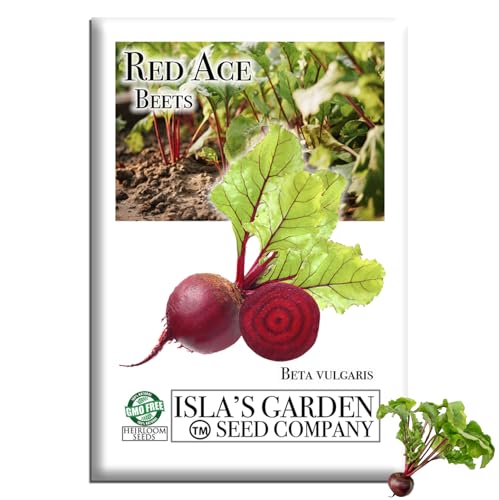
🥬 Productive Garden Beet Variety: Red Ace Beets produce smooth, round roots with a deep red color and dependable growth in home gardens. The sturdy plants develop leafy green tops while forming uniform beet roots beneath the soil. A reliable choice for backyard vegetable gardens and raised beds where gardeners want steady root harvests.

Gardening Kit - 10 Unique Beet Seeds Variety Pack NON-GMO Heirloom Seeds LESS THAN $1.50 PER SEED VARIETY PACK 1,620+ seeds including: Beet Bull's Blood, Beet Chioggia, Beet Crosby's, Beet Cylindra, Beet Detroit Dark Red, Beet Early Wonder, Beet Golden Detroit, Beet Ruby Queen, Beet Sugar, Beet White Albino.

Classic sweet beetroot + greens, Detroit Dark Red, a dependable heirloom table beet (Beta vulgaris); deep red, round roots with strong tops; great for roasting, salads, pickling, and storage
Preparing the Soil for Planting
When preparing your soil for planting beets, keep these tips in mind:
- Choose a sunny location with well-draining soil
- Loosen the soil to a depth of at least 6 inches
- Mix in compost or aged manure to improve soil quality
Remember, beets thrive in soil with a pH level between 6.0 and 7.0.
Recommended Products

Kindly NOTE: This soil tester can not be applied to test pH value of any other liquid. If the soil is too dry the indicator will not move, and water it before testing.

【4 in 1 function】This is a 4-in-1 multifunctional soil tester.Our soil tester fastly to measure soil moisture, pH, temperature and sunlight to help you take better care of flowers and plants.You can know when you need to water your soil by measuring moisture and pH & Temperature value of the soil and sunlight level of plants with it.
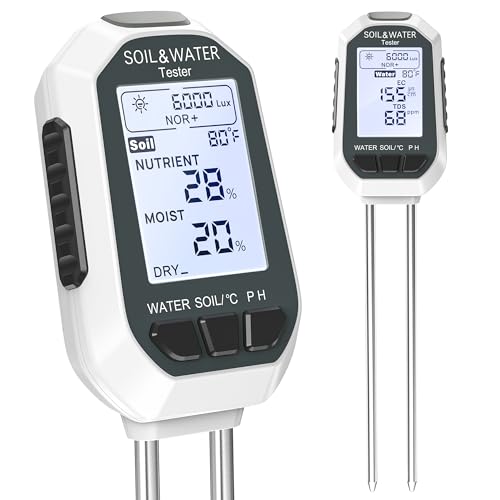
【7-in-1 Features】This is a 7-in-1 multi-function soil tester. Our soil tester quickly measures soil moisture, pH, temperature and light intensity, and its fertility function helps you take better care of your plants. With this device you can measure the soil moisture, pH, temperature and light intensity for your plants and with the EC and TDS functions you will know when it is time to water the soil.
Planting Beet Seeds
Now that you’ve prepared the soil, it’s time to plant your beet seeds. Here’s how to do it:
- Timing: Plant beet seeds in early spring for a summer harvest, or in late summer for a fall harvest.
- Spacing: Sow seeds about 1 inch apart in rows spaced 12-18 inches apart to allow room for growth.
- Depth: Plant seeds ½ inch deep in well-draining soil for optimal germination.
- Watering: Keep the soil consistently moist but not waterlogged to support seed germination.
- Thinning: Once seedlings have 2-3 true leaves, thin them to 3-4 inches apart to prevent overcrowding.
Remember, healthy soil and proper care will help your beet seeds flourish.
Caring for Your Beet Plants
When watering your beet plants, make sure to keep the soil consistently moist but not waterlogged. Water deeply when the top inch of soil is dry to the touch, especially during dry spells.
To prevent competition for nutrients and ensure your beets grow healthy, keep the area free of weeds. You can mulch around the plants to suppress weed growth and retain moisture in the soil.
Monitor for pests such as aphids and leaf miners regularly. If you spot any, remove them by hand or use gentle insecticidal soap to keep them at bay.
During the growing season, fertilize your beets every 2-3 weeks with a balanced fertilizer to encourage robust growth. Avoid using excessive nitrogen, as it can lead to more foliage growth than root development.
As your beets mature, hill up soil around the base of the plants to prevent the shoulders of the roots from becoming exposed to sunlight. This process helps keep the roots tender and sweet.
For a continuous harvest, consider succession planting by sowing new seeds every 2-3 weeks. This staggered planting ensures a fresh supply of beets throughout the growing season.
Recommended Products

Comprehensive Small Garden Tools: Our indoor garden kit Not only for succulents, but also suitable for bonsai plants, cactus and most of indoor small plants. The mini garden tools set meets your various gardening needs like potting mat, digging, watering, loosening soil, transplanting, cleaning, pruning, weeding, etc. Lightweight, Easy carry and wash after every use. Just pat dry.

Material: Made of plastic, wood, iron, rubber, stainless steel.
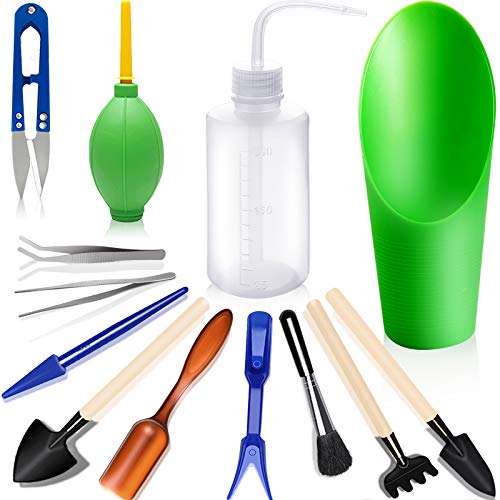
➤ 【 HIGH QUALITY MATERIAL 】Made of wood and iron, wooden handle is convenient for gardening, iron heads provide the shovel rake spade good using sense after using for many times
Key Care Tips for Your Beet Plants:
| Watering: | Keep soil consistently moist |
|---|---|
| Weed Control: | Mulch to suppress weeds |
| Pest Monitoring: | Check for pests regularly |
| Fertilization: | Apply balanced fertilizer every 2-3 weeks |
| Hilling Up: | Mound soil around the base of plants |
| Succession Planting: | Sow seeds every 2-3 weeks for continuous harvest |
Harvesting Your Beets
When it’s time to harvest your beets, remember that they taste the best when they are 1-2 inches in diameter. Here’s how you can tell if they’re ready to be picked:
- Gently brush away some soil around the top of a beet to check its size.
- If they reach the right size, you can start harvesting them by gently loosening the soil around the roots with a garden fork.
- Remember not to pull too hard, as you might damage the delicate vegetables.
To harvest leafy beet greens, you can start snipping them off when they are about 4-6 inches tall. Be sure to leave some leaves on the plant so it can continue to grow.
For a continuous harvest, you can pick beets throughout the growing season as they reach the optimal size. Enjoy the satisfaction of harvesting your own fresh, flavorful beets straight from your garden.
Conclusion
That’s it! By following these tips, you’ll be on your way to growing delicious beets in your own garden. Remember to keep the soil moist, free of weeds, and watch out for those pesky aphids. Fertilize regularly, but go easy on the nitrogen to encourage strong root growth. Hill up the soil around your plants as they grow to maintain their tenderness. Don’t forget to succession plant for a steady supply of fresh beets. When it’s time to harvest, aim for beets around 1-2 inches in diameter for the best taste. Use a garden fork to gently loosen the soil around the roots. And don’t overlook those leafy greens – start snipping them when they reach 4-6 inches tall. Enjoy your homegrown beets all season long!
Frequently Asked Questions
How often should I water my beet plants?
Water beet plants consistently to keep the soil moist, typically 1-2 inches per week. Adjust based on weather conditions and soil moisture levels.
How often should I fertilize my beet plants?
Fertilize beet plants every 2-3 weeks with a balanced fertilizer. Avoid excessive nitrogen to promote healthy root development.
How should I harvest my beets?
Harvest beets when they reach 1-2 inches in diameter. Gently loosen the soil around the roots with a garden fork for easy removal.
When should I start harvesting beet greens?
Start snipping off beet greens when they are 4-6 inches tall. Leave some leaves on the plant for continued growth for a fresh supply.
