

Tired of seeing your tomato plants under siege by pests? Ever wonder how to reclaim your garden without resorting to harmful chemicals? Imagine a thriving tomato crop, free from the relentless attacks of pests. In this article, you’ll discover simple yet effective methods to protect your precious tomato plants and ensure a bountiful harvest.
Picture yourself stepping into your backyard, greeted by healthy tomato plants standing tall and vibrant, untouched by pesky invaders. By implementing practical strategies outlined here, you can bid farewell to those unwanted guests and nurture your tomatoes back to health. Ready to learn the secrets of maintaining a pest-free garden oasis? Let’s dive in together and transform your gardening experience for the better.
Key Takeaways
- Identify Common Tomato Plant Pests: Learn to recognize aphids, spider mites, and hornworms early to take swift action.
- Natural Remedies: Utilize neem oil application and beneficial insects like ladybugs to control pests naturally.
- Chemical Solutions for Severe Infestations: Use organic insecticides safely for severe pest issues while following essential safety precautions.
- Preventive Measures: Regular monitoring, maintenance, and using physical barriers can help protect tomato plants from pests effectively.
Identifying Common Tomato Plant Pests
When tending to your tomato plants, it’s crucial to be able to identify common pests that can threaten your crop. Here are some key pests to watch out for:
Aphids
Aphids are tiny, pear-shaped insects that come in various colors like green, yellow, or black. You might spot them clustered on the undersides of leaves or around new growth. They feed by sucking sap from the plant, causing leaves to curl and distort.
Spider Mites
Spider mites are not actual spiders but relatives of spiders and ticks. These minuscule pests are usually found on the underside of leaves where they suck out plant juices, leading to stippling (tiny white dots). They thrive in hot and dry conditions.
Hornworms
Hornworms are large caterpillars with horns at their rear end. These voracious eaters can defoliate a tomato plant rapidly if left unchecked. Look for dark green caterpillars with white diagonal stripes on the sides feeding on your tomato foliage.
By being able to recognize these common tomato plant pests early on, you’ll be better equipped to take action swiftly and protect your precious tomato crop from potential damage.
Natural Remedies for Tomato Pests
Dealing with tomato plant pests can be frustrating, but there are natural remedies you can use to protect your plants effectively. By identifying common pests like aphids, spider mites, and hornworms early on, you can take swift action to safeguard your tomato crop.
Recommended Products
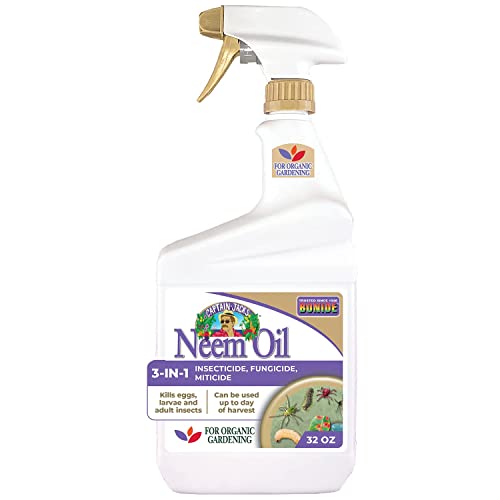
Protect your oasis with 3 garden products in 1 from Captain Jack’s; Bonide Captain Jack’s Ready-to-Use Neem Oil spray for plants is a multi-purpose fungicide, insecticide and miticide for your lawn & garden

FUNGAL DISEASE CONTROL: Prevents and controls black spot on roses, powdery mildew, rust, downy mildew, and other listed fungal diseases when applied on a 7–14 day schedule
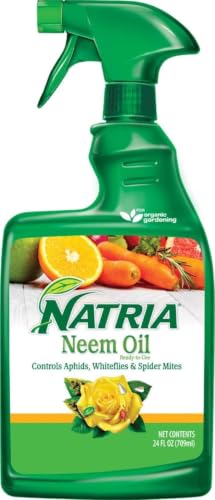
PLANT DISEASE CONTROL: Natria Neem Oil acts as an insecticide and fungicide in one convenient spray; Ready-to-use trigger sprayer requires no mixing
Neem Oil Application
To combat tomato pests like aphids and spider mites, consider using neem oil. This natural insecticide disrupts the feeding and reproduction of these harmful insects while being safe for beneficial bugs like bees. Mix neem oil with water according to the instructions on the product label and spray it on your tomato plants. Repeat this process every 7-14 days or as needed until the pest infestation is under control.
Introducing Beneficial Insects
Another effective way to manage tomato plant pests is by introducing beneficial insects into your garden. Ladybugs, lacewings, and parasitic wasps are natural predators that feed on common tomato pests like aphids and caterpillars. You can attract these helpful insects by planting companion plants such as dill, fennel, or yarrow near your tomatoes. These beneficial bugs will help keep pest populations in check without harming your plants.
By incorporating neem oil applications and attracting beneficial insects to your garden, you can effectively control tomato plant pests in a natural and eco-friendly manner. Remember to monitor your plants regularly for signs of pest infestations so you can address them promptly and protect your tomato crop from damage.
Chemical Solutions for Severe Infestations
Dealing with severe infestations of pests on your tomato plants can be challenging, but there are chemical solutions available to help you combat these issues effectively. Here’s what you need to know:
Recommended Products

Protect your oasis with Captain Jack's Bt Thuricide Ready-to-Use Spray; this product controls cabbage looper, hornworms, tent caterpillars and more

ORGANIC PLANT FOOD: This liquid fertilizer for tomatoes & vegetables provides nutrients to ensure superior results.

Kills caterpillars, gypsy moth larvae, worms and cabbage loopers
Selecting the Right Insecticide
When facing a severe pest infestation on your tomato plants, selecting the right insecticide is crucial for effective control. Look for products specifically formulated to target the pests affecting your tomatoes while being safe for edible produce. Consider insecticides that are approved for organic gardening if you prefer environmentally friendly options.
Safety Tips for Chemical Use
When using chemical solutions to combat severe pest infestations, it’s essential to prioritize safety. Follow these tips to ensure safe application and protect yourself, your plants, and the environment:
- Always read and follow the instructions on the insecticide label carefully.
- Wear appropriate protective gear such as gloves, goggles, and a mask when applying chemicals.
- Apply insecticides during calm weather to prevent drift and ensure targeted coverage.
- Keep children and pets away from treated areas until the product has dried or as specified on the label.
- Store all chemicals securely in their original containers away from food, feed, or other household items.
By selecting the right insecticide tailored to your needs and following essential safety precautions during application, you can effectively address severe pest infestations on your tomato plants while safeguarding both your harvest and the environment.
Preventive Measures to Protect Tomato Plants
When it comes to safeguarding your tomato plants from pests, implementing preventive measures is key. By taking proactive steps, you can create a hostile environment for pests and ensure the health and vitality of your tomatoes.
Recommended Products

Increase yield and promote a healthy harvest in your home garden with Tomato & Blossom Set Spray from Bonide

Plant-Based Pest Protection: Helps protect plants from common pests including gnats, spider mites, aphids, fungus issues, and other plant-damaging insects using plant-based ingredients.

GNAT CONTROL FOR INDOOR PLANTS: Our powerful gnat spray for indoor plants kills fungus gnats, spider mites, and fruit flies; it's the perfect solution for getting rid of fruit fly and fungus gnats
Regular Monitoring and Maintenance
Regularly inspecting your tomato plants is crucial in identifying pest issues at an early stage. Look out for signs of aphids, spider mites, or hornworms on leaves, stems, and fruits. By catching these pests early, you can prevent them from causing significant damage to your plants.
Using Physical Barriers
Employing physical barriers like row covers or netting can help protect your tomato plants from invading pests. These barriers act as a shield against insects while still allowing air, light, and water to reach the plants. Consider using floating row covers during periods of high pest activity to keep unwanted visitors at bay.
By incorporating regular monitoring practices and utilizing physical barriers effectively, you can significantly reduce the risk of pest infestations on your tomato plants. Stay vigilant and proactive in protecting your garden to enjoy healthy and thriving tomatoes throughout the growing season.
Conclusion
You now have a range of strategies at your disposal to combat pests on your tomato plants. From natural remedies like neem oil to chemical solutions for severe cases, you can choose what works best for you. Remember the importance of prevention through creating an unwelcoming environment for pests and regular monitoring. By implementing these techniques, you’ll be able to keep your tomato plants healthy and thriving throughout the growing season. Happy gardening!
Frequently Asked Questions
What are some natural remedies for pest control on tomato plants?
Natural remedies include using neem oil, introducing beneficial insects like ladybugs, and spraying a mixture of soap and water to combat pests effectively.
When should chemical solutions be used for pest control on tomato plants?
Chemical solutions should only be used for severe infestations when natural remedies have proven ineffective. Always prioritize safety by following the instructions on the product label.
What preventive measures can be taken to control pests on tomato plants?
Preventive measures include creating a hostile environment for pests by maintaining plant health, regular monitoring for signs of infestation, and using physical barriers such as row covers to protect tomato plants.
