

Have you ever stepped into your garden only to find your once-vibrant lettuce looking droopy and sad? It’s a frustrating sight, especially after all the time and effort you’ve put into growing it. Wilted lettuce can happen for several reasons, but the good news is, it’s often fixable.
Key Takeaways
- Causes of Wilting: Wilted lettuce can be caused by environmental factors (high temperatures, inadequate water, poor drainage) and pest infestations (aphids, slugs).
- Signs to Watch For: Key indicators of stress include leaf curling, color change, limp texture, brown edges, and signs of stunted growth.
- Effective Watering Techniques: Ensure adequate soil moisture by watering thoroughly at the right times and avoiding overwatering to eliminate the risk of root rot.
- Nutrient Management: Conduct soil tests to assess nutrient levels and apply balanced fertilizers and organic matter to promote healthy lettuce growth.
- Choosing the Right Variety: Select heat-resistant lettuce varieties suited to your climate to improve resilience against environmental stress.
- Preventive Measures: Adequate soil preparation and mulching can help maintain soil temperature and moisture, reducing the chances of wilting in future crops.
Causes of Wilted Lettuce
Wilted lettuce can stem from several factors. Understanding these causes helps identify solutions quickly.
Environmental Factors
Environmental factors play a significant role in the health of your lettuce. High temperatures can lead to wilting, particularly if daytime temps exceed 75°F (24°C). Inadequate water also causes stress; lettuce requires consistent moisture. Additionally, poor soil drainage suffocates roots, disrupting water uptake. If you’re growing lettuce in direct sunlight without shade, consider moving it or using a shade cloth during the hottest part of the day.
Pest Infestation
Pest infestation can harm your lettuce, resulting in wilting. Common pests include aphids, which suck sap from leaves, and slugs, which create holes. Examine leaves for signs of these pests. If you spot them, act quickly. Use insecticidal soap or neem oil to eliminate aphids. For slugs, set out beer traps or sprinkle diatomaceous earth around plants. Keeping your garden clean and free of debris reduces hiding spots for pests, lessening the chance of infestations.
Signs of Wilted Lettuce
Identifying wilted lettuce early helps in timely intervention. Look for these key signs that indicate your lettuce is experiencing stress.
Visual Indicators
- Leaf Curling: Leaves may curl inward or upward, showing signs of dehydration.
- Color Change: Healthy lettuce is vibrant green. Wilted leaves often turn yellow or pale.
- Limp Texture: Leaves lose their crispness and become soft and floppy.
- Brown Edges: Tips of the leaves may turn brown, indicating stress and moisture loss.
- Soil Appearance: Soil may appear dry or cracked, suggesting insufficient moisture.
- Growth Rate: Stunted growth or slowed expansion of lettuce leaves often signals a problem.
- Size Reduction: Smaller-than-normal heads or leaves indicate inadequate care.
- Water Absorption: If leaves droop despite water being added, this suggests underlying issues.
- Pest Presence: Noticing pests, such as aphids or slugs, may correlate with wilting symptoms.
- Overall Health: Assess the plant’s vitality by checking for additional factors like disease or nutrient deficiency.
Recognizing these signs helps you take quick action to revive your lettuce, ensuring a healthy and productive garden.
Steps to Fix Wilted Lettuce
You can effectively revive wilted lettuce by following some straightforward steps. Focus on proper watering and nutrient management for the best results.
Recommended Products

Trusted Since 2015: Become one of the many plant lovers who rely on the proven accuracy of XLUX. Established in 2015, our soil moisture meter has earned over 60,000+ verified ratings for its consistent performance. While many many newer brands come and go, we provide the long-term reliability and quality that American households have trusted for over a decade.
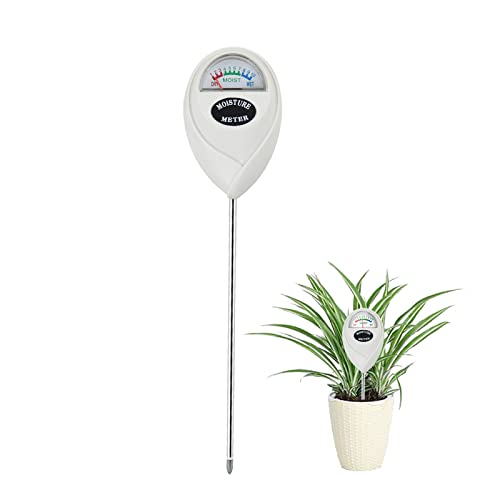
【SAVE YOUR PLANTS】: Over watering can cause problems with your plants or even kill them. This soil moisture meter helps you know the soil is dry, moist or wet.No more over watering!

Accurate Soil Moisture Detection: The XLUX Soil Moisture Meter can tell you if the soil deep inside your pot or garden is dry, moist or wet; whereas your eyes and fingers can only determine the moisture level of the soil surface. The probe is 5.5 inches (14 cm) longer than regular styles, allowing it to measure the soil moisture at the bottom of larger and deeper flower pots.
Watering Technique
- Check Soil Moisture: Test the soil moisture by sticking your finger about an inch deep into the soil. If it’s dry, it’s time to water.
- Water Thoroughly: Apply water directly at the base of the plants to ensure deep root hydration. Aim for about 1 inch of water per week, adjusting for rainfall.
- Water Early or Late: Choose early morning or late afternoon for watering. This timing reduces evaporation and allows plants to absorb moisture efficiently.
- Avoid Overwatering: Ensure good drainage in the soil to prevent waterlogging, which can lead to root rot. If there’s standing water in the garden, it’s necessary to improve drainage.
- Assess Soil Nutrients: Conduct a soil test to identify nutrient levels and pH. This helps determine what your plants need.
- Apply Balanced Fertilizer: Use a balanced fertilizer, like a 10-10-10 (N-P-K) mix, to provide essential nutrients. Follow packaging instructions for amounts and frequency.
- Add Organic Matter: Incorporate compost or well-rotted manure into the soil to improve nutrient content and soil structure. Aim for a layer of about 2-3 inches.
- Monitor Plant Growth: Keep an eye on the plant’s appearance and growth rate. Adjust nutrient applications as needed based on visible signs, like color changes or stunted growth.
By implementing these steps, you can restore vitality to your wilted lettuce plants and enjoy a thriving garden.
Preventive Measures for Future Growth
Taking preventive measures ensures healthier lettuce plants in your garden. Simple strategies help you avoid issues like wilting and promote robust growth.
Choosing the Right Variety
Selecting the right lettuce variety matters significantly. Some varieties, like Butterhead and Romaine, show greater resilience in hot weather. Take your climate into account. If summer temperatures soar, opt for heat-resistant varieties. Additionally, check local seed catalogs or garden centers for recommendations on varieties suited to your area.
Soil Preparation
Effective soil preparation lays the foundation for healthy lettuce growth. Start by testing your soil pH; lettuce prefers a range of 6.0 to 7.0. Amend soil with compost or well-rotted manure to improve fertility and water retention. Tilling the soil to a depth of at least 12 inches enhances drainage and root development. After preparing the soil, consider using a mulch layer to regulate soil temperature and moisture levels, helping to prevent wilting during dry spells.
Conclusion
Taking care of your lettuce doesn’t have to be a daunting task. With a bit of attention and the right techniques you can bring those wilted leaves back to life. Remember to keep an eye on moisture levels and soil health while also staying vigilant against pests.
By implementing these simple strategies you’ll not only revive your current crop but also set the stage for a thriving garden in the future. Happy gardening and enjoy the fruits of your labor with fresh and crisp lettuce right from your backyard!
Frequently Asked Questions
What causes wilted lettuce in gardens?
Wilted lettuce is often caused by environmental factors such as high temperatures and inadequate watering. Consistent moisture and well-draining soil are crucial for preventing wilt. Additionally, pest infestations from aphids or slugs can also lead to wilting, making it essential to monitor and manage these issues promptly.
How can I fix wilted lettuce?
To revive wilted lettuce, check the soil moisture and water thoroughly, making sure to avoid overwatering. Assess soil nutrients by applying a balanced fertilizer and adding organic matter. Monitoring your plants’ growth will help ensure they rebound effectively.
What are the best watering techniques for lettuce?
Water your lettuce thoroughly, ensuring that moisture reaches the root zone. Check soil moisture regularly, and water in the early morning or late afternoon to prevent evaporation. Avoid overwatering, as soggy conditions can lead to root rot and further wilting.
How can I prevent lettuce from wilting in the future?
To prevent future wilting, choose lettuce varieties suitable for your climate, like Butterhead or Romaine for heat. Proper soil preparation is vital, including soil testing for pH, amending with compost, and using mulch to regulate moisture and temperature.
What soil conditions are best for growing healthy lettuce?
Lettuce thrives in well-draining soil with a pH of 6.0 to 7.0. Amending the soil with compost or manure can improve nutrient content. Tilling the soil promotes drainage and root development, while mulch helps maintain moisture levels and temperature stability.
How do pests affect my lettuce plants?
Pests like aphids and slugs can weaken lettuce by sucking sap or causing physical damage. This damage leads to wilting and stunted growth. Regularly checking for pests and implementing control measures can help keep your lettuce healthy and thriving.
