

Ever found yourself wondering how much lettuce to toss in your salad? You’re not alone! Many people struggle with getting the right amount, whether you’re prepping a quick lunch or hosting a dinner party.
Key Takeaways
- Aim for 2 to 4 ounces of lettuce per serving to achieve a satisfying balance in your salad.
- Adjust lettuce quantity based on dish purpose: 2 ounces for side salads and 4 ounces or more for main course salads.
- Consider the variety of ingredients in your salad; heavier toppings may require less lettuce.
- Personal taste preferences and dietary goals should influence your portions; feel free to customize according to your needs.
- Mixing different lettuce types, such as Romaine and Leaf lettuce, adds both texture and flavor to your salads.
- Use kitchen scales for precise measurements, or rely on visual estimations like hand-size portions if you prefer a quicker approach.
Understanding Salad Portions
Determining the right amount of lettuce for your salad makes a difference in taste and satisfaction. You can create a tasty balance by knowing what to consider for portion sizes.
Importance of Lettuce Quantity
Lettuce quantity impacts both flavor and nutrition. A salad overflowing with lettuce can fill you up while providing essential vitamins. Aim for about 2 to 4 ounces of lettuce per serving. Mixing different types, like romaine or spinach, enhances texture and taste. Adjust based on the overall salad volume and the presence of other ingredients.
Factors Influencing Lettuce Amount
Several factors influence how much lettuce you should use:
- Dish Purpose: For a side salad, 2 ounces typically suffice. For a main course, adjust to 4 ounces or more to ensure it’s filling.
- Ingredients Variety: If your salad includes protein sources like chicken, or beans, 2 to 3 ounces can balance the meal. If it’s primarily lettuce, consider 4 ounces.
- Personal Preference: Adjust based on your tastes. If you enjoy loads of greens, lean toward higher amounts.
- Dietary Goals: If you’re watching calorie intake, opt for more lettuce to keep volume high without excess calories.
- Serving Size: Consider the number of people being served. For larger groups, multiply the amount needed per person to ensure everyone gets enough.
By considering these factors, you can enjoy salads that satisfy and nourish you.
Common Lettuce Types in Salads
Understanding different types of lettuce enhances both flavor and texture in salads. Here’s a look at some common lettuce varieties you can use.
Recommended Products

Stainless steel mezzaluna blade: Double curved rocker blade is crafted from high-quality stainless steel for precise, efficient chopping; resists rust and corrosion with regular use; sharp edge maintains performance across repeated sessions without dulling quickly

Versatile Kitchen Gadget: This 3-in-1 salad greens and vegetable cleaning spinner is a triple threat—washing, drying, and chopping all in one device. Equipped with 5 different blade, it effortlessly slices, shreds, and dices, meeting the preparation needs for a variety of dishes in your kitchen

NO KNIFE NEEDED: Chop a whole head of lettuce in seconds easily and safely with the SaladShears Lettuce Chopper.
Iceberg Lettuce
Iceberg lettuce is crisp and refreshing, often providing a satisfying crunch. A typical serving contains about 2 ounces. Use it for classic salads or as a base for toppings. Its mild flavor complements more robust ingredients like dressings, cheeses, and meats.
Romaine Lettuce
Romaine lettuce features long, sturdy leaves and a slightly bitter taste. On average, you can use about 3 ounces per serving. Excellent in Caesar salads, romaine holds up well against heavier dressings and toppings. Its sturdy texture adds body and can support flavorful additions like croutons or grilled chicken.
Leaf Lettuce
Leaf lettuce comes in two varieties: green and red. It’s tender, making it a great choice for salads. Aim for about 2 to 3 ounces per serving. Leaf lettuce blends well with other ingredients and adds a burst of color. It’s ideal for mixed salads, wraps, and sandwiches.
Recommended Serving Sizes
Getting the right amount of lettuce in your salad enhances both taste and nutrition. Consider the following guidelines for serving sizes.
General Guidelines for Lettuce Portions
Use 2 to 4 ounces of lettuce per serving. This range provides enough volume for a satisfying salad. If you’re serving a larger group or creating a salad as the main dish, increase it to 5 to 6 ounces per person. Combining different types of lettuce not only boosts flavor but also adds texture. For example, mixing 2 ounces of Romaine with 2 ounces of Leaf lettuce delivers a delightful crunch alongside tenderness.
Adjusting Portions for Nutrition Needs
Adjust your portions based on dietary requirements. If your goal is weight management, aim for 2 ounces per serving. For those looking to increase vegetable intake, consider 4 ounces or more. When adding toppings like cheese or meats, reduce the lettuce amount slightly to maintain balance. For instance, if you’re adding 2 ounces of grilled chicken, see if 3 ounces of lettuce suffice. Tailoring your salad to meet nutritional goals promotes a healthier choice while keeping it delicious.
Practical Tips for Measuring Lettuce
Getting the right amount of lettuce for your salad can enhance flavor and nutrition. Here are two effective methods for measuring your lettuce.
Recommended Products

Maximum Lettuce-Drying, Minimum Effort: Use the OXO Salad Spinner's one-handed pump to thoroughly dry greens, beans, even use it as a fruit washer. The salad spinners best rated always include a superior rinse, spin, and dry like ours

COMPACT SALAD SPINNER, BIG PERFORMANCE — Small salad spinner packs full-size drying power in a space-saving design. One-hand pump spins lettuce, herbs & greens dry in seconds. Best rated by thousands. Perfect for apartments, couples & small kitchens.
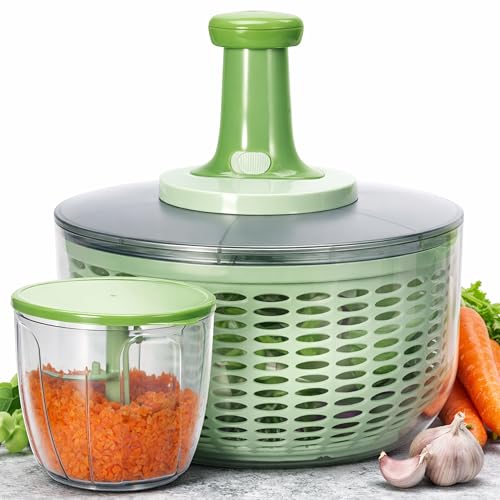
ALL-IN-ONE SALAD SPINNER AND CHOPPER COMBO: One integrated set covers the job: a 6.34-quart (6-liter) spinner washes and dries lettuce, greens, herbs, berries and vegetables, and a matching 0.95-quart (900-ml) push-action chopper and mixer dices what goes in. Both bowls run on the same one-handed PUSH action and nest into a single unit, so one set handles washing, drying, chopping, mixing and serving. BPA-free plastic, Japanese stainless steel blades.
Using Kitchen Scales
Using a kitchen scale offers accuracy when measuring lettuce. Here’s how to do it:
- Place the Bowl: Set a clean bowl on the scale and reset it to zero.
- Add Lettuce: Gradually add your lettuce until you reach your desired weight, typically between 2 to 4 ounces per serving.
- Check Consistency: Weigh different types, like Iceberg and Romaine, for varied textures and flavors.
Using a scale ensures consistent portions every time.
Visual Estimations
If you don’t have a scale, you can rely on visual cues to gauge lettuce amounts. Try these techniques:
- Use Your Hand: A loosely packed handful of lettuce equals about 1 to 2 ounces. Estimate based on your needs.
- Bowl Size: Fill a medium-sized bowl with lettuce. A half-full bowl usually represents around 4 ounces.
- Layering Method: Stack varieties like Romaine or Leaf lettuce; a layered pile about 2 inches tall generally weighs close to 2 ounces.
Visual estimations work well in casual settings and can save time.
Conclusion
Getting the right amount of lettuce in your salad can make all the difference in taste and nutrition. By sticking to the recommended 2 to 4 ounces per serving and mixing different varieties you can create a salad that’s not only delicious but also visually appealing.
Whether you choose to measure with a scale or rely on your instincts you now have the tools to make consistent and satisfying salads. Enjoy experimenting with different combinations and flavors as you craft the perfect salad for any occasion. Happy salad making!
Frequently Asked Questions
What is the recommended amount of lettuce for a salad serving?
The recommended amount of lettuce for a salad serving is between 2 to 4 ounces. This portion ensures a balanced mix of flavor and nutrition while allowing enough space for other salad ingredients.
Which lettuce varieties are commonly used in salads?
Common lettuce varieties used in salads include Iceberg, Romaine, and Leaf lettuce. Each type offers unique textures and flavors, making them ideal for different salad combinations.
How can I measure lettuce accurately?
Accurate measurements of lettuce can be done using kitchen scales for precise weight. Alternatively, you can use visual estimations, like filling a bowl to a certain level, if you don’t have a scale.
Can I mix different types of lettuce in a salad?
Yes, mixing different types of lettuce in a salad is encouraged. Combining varieties enhances the flavor profile and adds varied textures, making the salad more enjoyable.
Why is portion control important in salads?
Portion control in salads is important for maintaining balanced nutrition and flavor. Using the right amount helps prevent overwhelming flavors and ensures that the dish remains nutritious and satisfying.
