

Have you ever wanted to capture the delicate beauty of a lettuce leaf on paper? Whether you’re sketching for fun or trying to enhance your artistic skills, drawing a lettuce leaf can be a rewarding challenge.
Key Takeaways
- Understanding Lettuce Variations: Familiarize yourself with different types of lettuce—Romaine, Iceberg, Butterhead, Leaf Lettuce, and Baby Lettuce—to capture their unique shapes, textures, and colors in your drawings.
- Essential Drawing Materials: Use a variety of pencils (2B or 4B for soft lines; H or HB for sharp edges) and choose quality papers like Bristol for smoothness to enhance your drawing process.
- Step-by-Step Approach: Break down the drawing process into manageable steps: sketch the basic shape, add details and texture, and use shading techniques to create depth and realism.
- Common Mistakes: Avoid overcomplicating your drawings by focusing on the overall shape first and don’t ignore the importance of shading to add dimension and lifelike qualities to your artwork.
- Improvement Tips: Practice keen observation by studying real lettuce and using reference images, while experimenting with different mediums and techniques to elevate your drawing skills.
Understanding Lettuce Leaves
Lettuce leaves vary widely in shape, texture, and color. Familiarizing yourself with these differences enhances your ability to draw them accurately.
Types of Lettuce Leaves
- Romaine: Romaine leaves, known for their long, crisp structure, form a robust backbone in salads. Their firm texture makes them a favorite in Caesar salads.
- Iceberg: Iceberg lettuce boasts tightly packed, crisp leaves. Its round shape and light green color add a refreshing crunch to various dishes.
- Butterhead: Butterhead lettuce features soft, loosely packed leaves. Its smooth texture and rich taste elevate salads and sandwiches.
- Leaf Lettuce: Leaf lettuce comes in several varieties, including red leaf and green leaf. These leaves are tender and frilly, adding a light, fresh touch to salads.
- Baby Lettuce: Baby lettuce consists of young leaves from various types. Its baby size provides a delicate, tender option for salads and garnishes.
- Shape: Lettuce leaves exhibit different shapes, from the broad, flat leaves of iceberg to the elongated, upright leaves of romaine.
- Color: Colors can range from bright green to deep red or even purple. This diversity creates vivid contrasts in your drawings.
- Texture: Leaf surfaces can be smooth or crinkled. Understanding texture helps convey the leafy feel in your artwork.
- Veining: Lettuce leaves show prominent veins. Observing these details adds realism to your drawings.
- Size: Sizes vary, with some leaves being small and delicate, while others are large and robust. Proportion plays a crucial role in capturing their essence.
Essential Drawing Materials
Gathering the right materials enhances your ability to draw lettuce leaves effectively. High-quality tools help capture details and textures accurately.
Recommended Products

VERSATILE GRAPHITE PENCILS - Faber-Castell graphite pencils are a diverse and versatile tool for artists and beginners alike! The ergonomic, hexagonal shape and smooth graphite is ideal for sketching, graphic design, and shading.
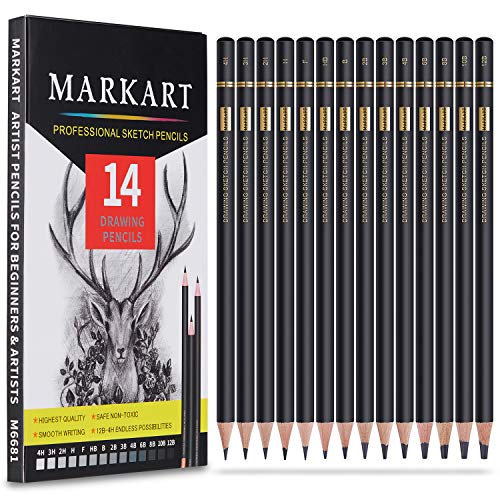
PREMIUM DRAWING SKETCH PENCIL SET - A wide variety of hardness for all your artwork needs. Includes 14 pre sharpened professional quality graphite pencils (12B 10B 8B 6B 4B 3B 2B B HB F H 2H 3H 4H).

PRO SKETCH PENCILS DRAWING SET - 22 Pack Art Pencil Set Include 8 Graphite Sketching Pencils(12B 10B 8B 6B 4B 2B HB 2H), 4 Black Charcoal Pencils(S-Soft Soft Medium Hard), 1 White Charcoal Pencils, 3 Charcoal Sticks, 3 Blending Stumps, 1 Sharpener, 1 Kneaded Eraser and 1 Vinyl Eraser, This professional sketch Pencils drawing set will give a fuller expression of your work.
Recommended Pencils and Papers
Use a range of pencils for different effects. A soft pencil, like 2B or 4B, provides smooth lines that capture delicate details. A harder pencil, like H or HB, delivers sharp edges for fine lines. Sketch on smooth, heavyweight paper, such as Bristol or drawing paper with a good weight (around 200gsm). This paper holds pencil and eraser marks well, allowing for clean results. Consider textured paper for a more organic feel, simulating the surface of a lettuce leaf.
Helpful Erasers and Blending Tools
Erasers play a vital role in refining your drawing. A kneaded eraser offers versatility, allowing you to lift graphite without damage. A vinyl eraser works effectively for sharper lines. Blending tools, such as blending stumps or tortillons, help create smooth transitions between shades. Use these to soften harsh lines and mimic the soft textures found in lettuce leaves. A clean cotton cloth can also assist in achieving subtle blends and highlights.
Step-by-Step Guide to Drawing a Lettuce Leaf
Drawing a lettuce leaf can seem challenging, but breaking it down into manageable steps makes it simple. Follow this guide to create a realistic representation of a lettuce leaf.
Recommended Products

13 Pcs in Total: 6 pcs blending stumps(#1, #2, #3, #4, #5, #6); 6 pcs tortillions(#1, #2, #3),two pieces for each size;1pcs sandpaper pencil pointer

Benefit from the best! Everyone from beginners to a professional will appreciate the quality, smoothness and shading capabilities of this set of blending stumps

Premium Quality Materials: Our blending stumps and tortillions are made from high-quality compressed paper and rolled paper. These blending stumps for drawing are designed to provide excellent control. The blending stick design ensures precise blending, while the blending sticks for drawing provide versatility for any project. As an essential blending tool, this set allows for detailed shading and seamless transitions. These blending tools for drawing are reliable and long-lasting.
Preparing Your Workspace
Create an organized workspace to foster creativity. Gather your essential materials: various pencils (2B or 4B for soft lines, H or HB for sharp edges), quality paper (Bristol for smoothness or textured paper for depth), kneaded erasers, vinyl erasers, and blending tools like blending stumps or tortillons. Make sure your workspace is well-lit, as good lighting helps you see details clearly. A clean, clutter-free area enhances focus.
Sketching the Basic Shape
Start by sketching the basic outline of the lettuce leaf. Use light, loose strokes to form the general shape. Lettuce leaves often have a wavy or ruffled edge, so capture that natural flow. Pay attention to the size and proportion; for example, a Romaine leaf is longer and narrower, while Butterhead has a rounder shape. After completing the outline, refine it by adjusting curves and adding slight indentations where necessary. Keep the pencil light; this allows for easy corrections later.
Adding Details and Texture
Enhance your drawing by adding details and texture. Focus on the veining of the leaf, which is crucial for realism. Use short strokes to depict fine veins and gently shading to create depth. Gradually build up layers of color and texture, starting with light shades and progressively adding darker tones for shadowing. Blending stumps or tortillons can help create smooth transitions between tones, making your lettuce leaf look more lifelike. For a finishing touch, use an eraser to highlight certain areas, giving your leaf a fresh appearance.
Common Mistakes to Avoid
When drawing a lettuce leaf, it’s easy to make a few common mistakes that can hinder your progress. Recognizing these pitfalls can enhance your skills and improve your artwork.
Overcomplicating the Drawing
Avoid adding unnecessary details too soon. Focus on capturing the overall shape first. Start with a general outline of the leaf without getting distracted by minute features. This approach ensures that you establish the correct proportions and flow. Simplify complex structures into basic shapes, then gradually refine them as you go. Keep your lines loose in the initial stages, allowing for adjustments later without frustration.
Ignoring Shading Principles
Don’t underestimate the importance of shading in bringing depth to your drawing. Failing to incorporate shading can make your lettuce leaf appear flat. Observe real lettuce leaves to see how light interacts with their folds and creases. Use a range of pencil pressures to create highlights and shadows. Gradually build up layers with gentle strokes, focusing on the areas where shadows fall. Remember, effective shading creates a three-dimensional effect, making your artwork more realistic.
Tips for Improving Your Drawing
Enhancing your drawing skills takes practice and keen observation. Apply these tips to improve your artwork of lettuce leaves.
Practicing Observation Skills
- Study Real Lettuce: Observe various lettuce types in person. Note their shapes, textures, and colors.
- Analyze Light and Shadow: Look for light interactions on the leaves. Identify where highlights and shadows occur.
- Use Reference Images: Gather high-quality photos of lettuce. These images help clarify details like veins and edges.
- Choose the Right Medium: Experiment with colored pencils, watercolors, or pastels to find what suits you best.
- Mix Colors: Combine shades to represent the natural colors of lettuce. Try using light greens paired with darker shades for depth.
- Utilize Different Techniques: Apply techniques like stippling or cross-hatching for texture. These methods can add more detail and realism to your drawing.
Conclusion
Drawing a lettuce leaf can be a rewarding experience that sharpens your artistic skills. By focusing on the shapes colors and textures you can create a realistic representation that captures the beauty of this leafy vegetable. Remember to keep practicing and don’t be afraid to experiment with different techniques and mediums.
Every drawing is a step toward improvement so enjoy the process and let your creativity flow. With a little patience and observation you’ll find your drawings becoming more lifelike and expressive. So grab your pencils and let those lettuce leaves inspire you!
Frequently Asked Questions
How can I improve my lettuce drawing skills?
To enhance your lettuce drawing skills, practice by observing real lettuce leaves closely. Pay attention to their shapes, colors, and textures. Use reference images, experiment with different mediums like colored pencils or watercolors, and incorporate techniques such as stippling or cross-hatching for added texture.
What are the common mistakes to avoid when drawing lettuce?
Common mistakes include overcomplicating your drawings with unnecessary details too early and neglecting shading principles. Focus on basic shapes first, and gradually add details. Ensure to study light interactions for more realistic shading and depth.
Why is shading important in drawing lettuce?
Shading is crucial as it adds depth and realism to your drawings. It helps convey how light interacts with the lettuce leaves. By using varying pencil pressures, you can create highlights and shadows that mimic the natural appearance of lettuce.
What techniques can I use to capture lettuce textures?
To capture lettuce textures, try blending techniques and varying your pencil pressures. Experiment with methods like stippling and cross-hatching to create dimension and visual interest. Observing real lettuce will also help you understand and replicate its texture better.
Can I use colored pencils or watercolor for drawing lettuce?
Yes, colored pencils and watercolors are excellent choices for drawing lettuce. They allow for blending and layering, which can effectively represent the vibrant colors and textures of lettuce. Experiment with both mediums to find which you prefer for your artwork.
