

Have you ever wondered why your lettuce wilts or turns brown? It’s often a simple issue: not enough water. Growing lettuce can be tricky, especially when it comes to figuring out its watering needs. Too much or too little can lead to disappointing results in your garden or on your plate.
Key Takeaways
- Consistent Moisture is Essential: Lettuce requires steady moisture levels for healthy growth, preventing wilting and ensuring a good harvest.
- Water Needs Vary by Factors: Climate, soil type, plant stage, and sun exposure significantly influence how much water lettuce needs.
- Different Varieties Have Unique Needs: Romaine, Butterhead, Iceberg, and Leaf lettuce each have distinct water requirements, typically ranging from 1 to 2 inches per week.
- Effective Watering Techniques: Methods like drip irrigation and sprinklers are effective for providing adequate moisture without waste, tailored to the lettuce type.
- Monitor for Overwatering and Underwatering: Symptoms such as yellow leaves for overwatering and dry, crispy leaves for underwatering are key indicators to adjust your watering practices.
- Seasonal Adjustments are Crucial: Lettuce’s water needs change with the seasons, requiring more water in warmer months and potentially less during cooler periods.
Understanding Lettuce Water Requirements
Lettuce needs consistent moisture for healthy growth. Understanding specific water needs prevents wilting and ensures a bountiful harvest.
Recommended Products
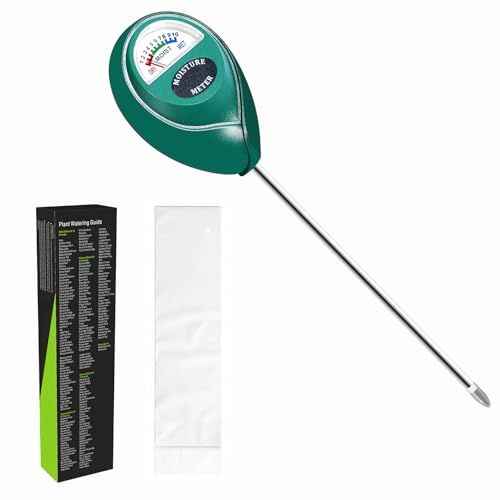
Trusted Since 2015: Become one of the many plant lovers who rely on the proven accuracy of XLUX. Established in 2015, our soil moisture meter has earned over 60,000+ verified ratings for its consistent performance. While many many newer brands come and go, we provide the long-term reliability and quality that American households have trusted for over a decade.
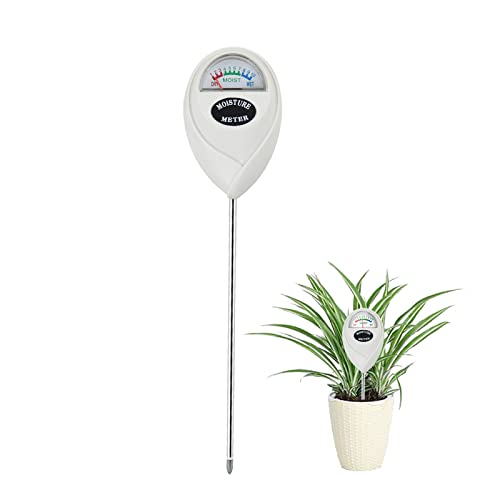
【SAVE YOUR PLANTS】: Over watering can cause problems with your plants or even kill them. This soil moisture meter helps you know the soil is dry, moist or wet.No more over watering!
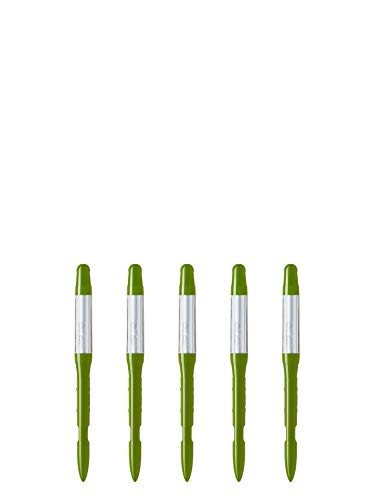
Dimensions: 0.4 x 0.3 x 4.7 inches (small) - Intended for pot sizes of 2, 2.5, and 3 - Ideal for small succulents
Factors Affecting Water Needs
Lettuce water requirements vary based on several factors. Recognizing these factors helps you adjust your watering schedule effectively.
- Climate: Hotter temperatures increase evaporation, necessitating more water. In cooler climates, lettuce requires less frequent watering.
- Soil Type: Sandy soils drain quickly, requiring more frequent watering. Clay soils hold moisture longer, reducing the need for watering.
- Plant Stage: Young seedlings need consistent moisture to establish roots. Mature plants may need less frequent watering but still require ample hydration.
- Sun Exposure: Locations with full sun exposure dry out quicker. Shaded areas retain moisture longer, impacting your watering routine.
Types of Lettuce and Their Needs
Different lettuce varieties have unique water requirements. Recognizing these differences ensures optimal growth.
- Romaine Lettuce: Thrives with regular watering, ideally 1 to 1.5 inches per week. It performs well in well-drained soils.
- Butterhead Lettuce: Prefers moist soil, needing about 1 to 2 inches of water weekly. Ensure its roots stay hydrated, especially during warm weather.
- Iceberg Lettuce: Requires consistent moisture, averaging 1 to 1.5 inches weekly. Dry spells can affect head formation, leading to poor quality.
- Leaf Lettuce: Benefits from even moisture; 1 to 2 inches of water per week keeps the leaves crisp and flavorful. Frequent, light watering promotes tender growth.
Adjusting your watering habits based on these factors and types of lettuce ensures your garden remains vibrant and productive.
Watering Techniques for Lettuce
Proper watering techniques ensure lettuce thrives. Implementing effective methods helps maintain moisture levels essential for growth.
Recommended Products
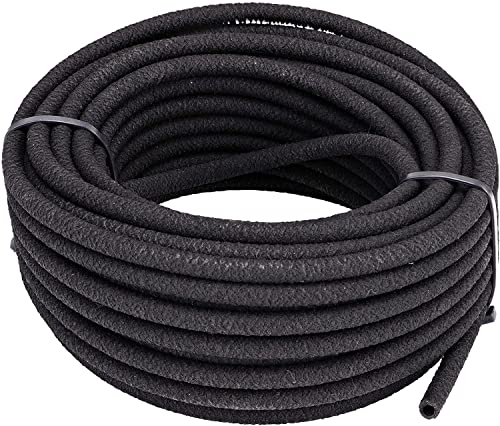
Slowly waters the soil around your plants for complete root zone hydration; Ideal for short runs on flat surfaces, such as vegetable gardens, borders, and around small plants

Higher Cost Performance Provide: enough length soaker hoses to get higher cost performance,and our 1/4 " diameter soaker hose set not only include 100 Ft length soaker hose but also include a rich range of accessories for a variety of uses,help you make custom length soaker hoses cheap & easy.

【Even & Consistent Root Watering】Features micro-pore seepage technology that distributes water evenly along the entire hose, transforming spot watering into uniform line watering directly to plant roots. Unlike traditional drip irrigation systems with clog-prone emitters, this soaker hose creates a continuous moisture band for healthier, deeper-rooted plants
Drip Irrigation
Drip irrigation delivers water directly to the roots of your lettuce plants. This method conserves water and minimizes evaporation. Install a drip line or soaker hose around your lettuce beds for efficient watering.
Adjust the flow rate according to your lettuce type. For example, Leaf lettuce prefers consistent moisture, while Romaine benefits from slightly drier conditions. Monitor soil moisture regularly to prevent over or under-watering.
Sprinkler Systems
Sprinkler systems provide even coverage over larger areas. They work well for larger lettuce patches. Set timers to water either early in the morning or late in the afternoon to reduce evaporation.
Use adjustable nozzles to control the spray pattern and distance, ensuring water reaches all plants. Test your system initially to ensure even distribution and make adjustments based on your lettuce’s moisture needs. Evaluate soil moisture consistently to maintain optimal conditions.
Signs of Overwatering and Underwatering
Monitoring water levels is crucial for healthy lettuce growth. You can easily identify when your lettuce plants face overwatering or underwatering by observing their symptoms.
Recommended Products

Accurate Soil Moisture Detection: The XLUX Soil Moisture Meter can tell you if the soil deep inside your pot or garden is dry, moist or wet; whereas your eyes and fingers can only determine the moisture level of the soil surface. The probe is 5.5 inches (14 cm) longer than regular styles, allowing it to measure the soil moisture at the bottom of larger and deeper flower pots.

Kindly NOTE: This soil tester can not be applied to test pH value of any other liquid. If the soil is too dry the indicator will not move, and water it before testing.
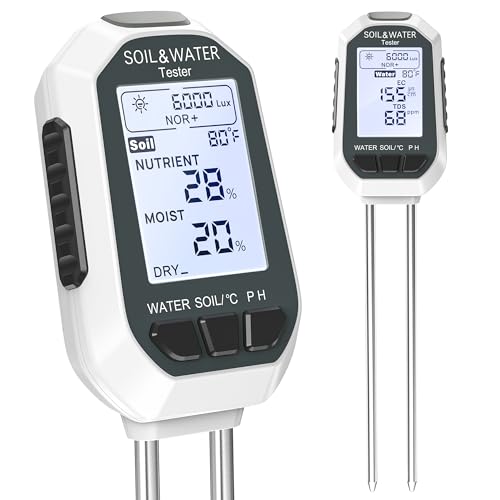
【7-in-1 Features】This is a 7-in-1 multi-function soil tester. Our soil tester quickly measures soil moisture, pH, temperature and light intensity, and its fertility function helps you take better care of your plants. With this device you can measure the soil moisture, pH, temperature and light intensity for your plants and with the EC and TDS functions you will know when it is time to water the soil.
Symptoms of Overwatering
- Yellow Leaves: Overwatered lettuce often shows yellowing leaves. This occurs due to reduced oxygen in the soil.
- Wilting: While wilting usually indicates a need for water, overwatered plants can also droop. The excess moisture suffocates the roots.
- Root Rot: Dark, mushy roots signal root rot, a common issue with too much water. Check the root system for this threshold.
- Fungal Growth: Look for fuzzy mold or mildew on the soil surface. This indicates high moisture levels conducive to fungal development.
- Crispy Leaves: Lettuce leaves become dry and brittle when underwatered. The lack of moisture affects their texture significantly.
- Wilting: Wilting can also signal dehydration. Leaves droop due to insufficient water.
- Browning Edges: Brown edges on leaves often occur from too little water. This symptom showcases stress from moisture deficiency.
- Slow Growth: Underwatered lettuce shows stunted growth. Roots lack the hydration needed for proper development.
Monitoring these signs helps maintain ideal moisture levels for your lettuce. Adjust your watering practices accordingly for thriving plants.
Seasonal Considerations
Lettuce’s water needs vary throughout the seasons. During warmer months, lettuce requires more water due to higher evaporation rates and increased growth. Aim for about 1 to 1.5 inches of water per week, especially if temperatures exceed 80°F.
In spring, keep moisture levels steady. This season often brings unpredictable weather, so monitor rainfall and adjust your watering accordingly. If temperatures rise unexpectedly, increase watering frequency to prevent stress on your plants.
As fall approaches, lettuce can tolerate slight dips in moisture. Cooler temperatures slow growth, so you may reduce watering to 0.5 to 1 inch per week. Watch for signs of waterlogged soil, especially during rainy periods, to avoid root rot.
In winter, lettuce typically thrives in milder climates. If growing in colder areas, consider using row covers to retain moisture while protecting crops from frost. Adjust your watering to about 0.5 inches per week, ensuring the soil doesn’t dry out completely.
Keep an eye on weather patterns and adjust your watering schedule to meet lettuce’s seasonal demands. Observing changes helps maintain optimal moisture levels, promoting healthy growth year-round.
Conclusion
Keeping your lettuce healthy and thriving comes down to understanding its unique water needs. By paying attention to the signs of overwatering and underwatering you can make simple adjustments to your watering routine.
Seasonal changes play a big role too so staying flexible with your approach will help you maintain that perfect moisture level. With a little care and observation your lettuce can flourish throughout the year, giving you fresh and crisp greens for your meals. Happy gardening!
Frequently Asked Questions
What are the water requirements for lettuce?
Lettuce requires consistent moisture for optimal growth. Factors like climate, soil type, plant stage, and sun exposure affect its water needs. Generally, lettuce needs about 1 to 1.5 inches of water per week, adjusted for environmental conditions.
How can I tell if my lettuce is overwatered?
Signs of overwatering in lettuce include yellow leaves, wilting, and root rot. If you notice these symptoms, reduce your watering frequency and ensure proper drainage to help your plants recover.
What are the signs of underwatering lettuce?
Underwatered lettuce displays crispy leaves, browning edges, and slow growth. If you observe these symptoms, increase your watering to maintain optimal moisture levels for your lettuce plants.
What watering techniques are best for lettuce?
Drip irrigation and sprinkler systems are effective for watering lettuce. Drip irrigation provides targeted moisture with minimal waste, while sprinklers cover larger areas efficiently. Choose a method based on your garden size and water availability.
How do seasonal changes affect lettuce watering needs?
Lettuce watering needs vary by season. In warmer months, water requirements increase, while spring needs a steady moisture level. Fall requires reduced watering, and in winter, milder watering is sufficient due to cooler temperatures. Adjust your practices accordingly.
