

Have you ever struggled with cutting salad lettuce just right? You’re not alone. Many people find themselves wrestling with leafy greens, unsure of the best technique to get that perfect bite-sized piece. Whether you’re prepping for a family dinner or a quick lunch, knowing how to cut lettuce can make all the difference.
Key Takeaways
- Know Your Lettuce Varieties: Familiarize yourself with different types of lettuce, such as romaine, iceberg, butter lettuce, arugula, and spinach, to enhance flavor and texture in your salads.
- Nutritional Benefits: Lettuce is low in calories but high in vitamins A and K, folate, hydration, and fiber, making it a nutritious addition to your meals.
- Proper Preparation: Wash and dry lettuce thoroughly by removing outer leaves, rinsing, soaking, and using a salad spinner or towel to ensure clean cuts.
- Cutting Techniques: Utilize either a chopping method for sturdier lettuces or a tear method for delicate varieties to maintain texture and presentation.
- Storage Tips: Store cut lettuce in airtight containers with paper towels to absorb moisture, and always refrigerate it immediately to prolong freshness.
- Serving Practices: Serve salads cold and dress them just before serving to keep lettuce crisp and enhance flavors, ensuring an enjoyable eating experience.
Understanding Salad Lettuce Varieties
Understanding lettuce varieties helps you choose the right type for your salad. Each variety offers a unique flavor and texture, making your dishes even more enjoyable.
Common Types of Lettuce
- Romaine Lettuce: Crisp and sturdy, romaine is perfect for Caesar salads. Its leaves hold dressings well.
- Iceberg Lettuce: Known for its crunchy texture, iceberg adds a refreshing crunch. Use it in sandwiches or simple salads.
- Butter Lettuce: Soft and delicate, butter lettuce provides a mild flavor. It’s great for wraps or as a base for gourmet salads.
- Arugula: Peppery and slightly bitter, arugula adds a distinctive taste. It works well in mixed green salads or alongside fruits.
- Spinach: Nutrient-dense and slightly sweet, spinach can be used in smoothies, salads, or cooked dishes.
Nutritional Benefits of Lettuce
Lettuce is low in calories but high in essential nutrients.
- Vitamins A and K: Lettuce is rich in these vitamins, supporting eye health and blood clotting.
- Folate: Important for cell function, folate is abundant in many lettuce types, promoting overall health.
- Hydration: Lettuce has a high water content, contributing to hydration. It’s a great choice for hot days or after workouts.
- Fiber: Lettuce contains fiber, which aids digestion and helps maintain a healthy gut.
Choosing the right lettuce variety enhances both flavor and nutritional value in your salads.
Preparing Lettuce for Cutting
Preparing lettuce correctly sets the stage for cutting it efficiently and effectively. Follow these steps to ensure you get the best results.
Recommended Products

One-Touch OXO Salad Spinner: Did you know that OXO invented the one-touch salad spinner? Its one-handed pump gives you maximum drying of lettuce with minimum effort

QUICK & CONVENIENT: Wash and spin-dry salad greens, fruits, and vegetables effortlessly with the Cuisinart 3qt Salad Spinner.

QUICK & CONVENIENT: Wash and spin-dry salad greens, fruits, and vegetables effortlessly with the Cuisinart 5qt Large Salad Spinner.
Washing and Drying Lettuce
- Remove Outer Leaves: Take off any wilted or damaged leaves from the head of lettuce. Discard them.
- Rinse Under Cold Water: Place the lettuce under cold, running water. Make sure to separate the leaves gently to wash away any dirt or debris.
- Soak for Better Cleaning: For extra thoroughness, soak the lettuce in a bowl of cold water for a few minutes. This helps dislodge any hidden grit.
- Spin Dry or Pat Dry: Use a salad spinner to dry the lettuce. If you don’t have one, pat the leaves dry with a clean kitchen towel. Ensure the leaves are relatively dry; excess water can make cutting more challenging.
- Sharp Knife: Use a sharp chef’s knife for clean cuts. Dull knives can bruise the leaves.
- Cutting Board: A sturdy, flat cutting board provides a stable surface.
- Salad Spinner (Optional): This tool aids in washing and drying, making the process smoother.
- Tongs or Salad Fork: Use these for tossing or serving after cutting.
- Kitchen Scissors (Optional): Scissors offer a quick alternative to knife cutting, especially for softer lettuces.
By following these steps, you prepare your lettuce effectively, allowing for easy and precise cuts.
Techniques for Cutting Salad Lettuce
Mastering the right techniques for cutting salad lettuce enhances both presentation and texture. Here’s a closer look at two effective methods.
Chopping vs. Tear Method
- Chopping: For a clean, uniform look, use a sharp chef’s knife. Slice down through the center of the head, then cut crosswise to produce bite-sized pieces. This method works well with sturdier lettuces like romaine and iceberg, providing a crisp texture.
- Tear Method: Using your hands, gently tear the leaves into smaller pieces. This technique is best for delicate varieties, such as butter lettuce and arugula, preserving their natural shape and preventing bruising. Tearing also can create a rustic, appealing salad.
- Stability: Start with a cutting board on a stable surface. A damp paper towel under the board can prevent slipping.
- Sectioning: Begin by cutting the lettuce head into quarters. This makes it easier to manage while cutting.
- Consistent Sizes: Aim for pieces no larger than two inches. Consistent sizes ensure even dressing coverage, enhancing flavor with every bite.
- Final Adjustments: Once you’ve chopped or torn the lettuce, check for any oversized leaves. Trim them down for uniformity.
By applying these cutting techniques, your salads gain visual appeal and uniform texture, elevating any meal.
Tips for Serving and Storage
Serving and storing salad lettuce properly keeps it fresh and flavorful. Follow these tips for the best results.
Recommended Products

PRODUCE STORAGE CONTAINER + COLANDER: This produce saver features an adjustable air vent & water reservoir to create the ideal environment for fresh fruits & vegetables, keeping them fresh longer.
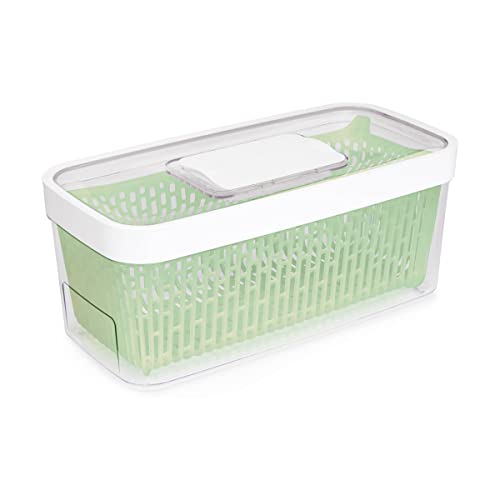
GreenSaver Produce Keeper prevents fruits and vegetables from spoiling too quickly

𝐊𝐞𝐞𝐩𝐬 𝐕𝐞𝐠𝐞𝐭𝐚𝐛𝐥𝐞𝐬 𝐅𝐫𝐞𝐬𝐡 𝐋𝐨𝐧𝐠𝐞𝐫: The Home-X salad keeper for refrigerator is designed to preserve the freshness of lettuce, broccoli, cauliflower, and more. It creates an ideal cold, moist storage environment to help your vegetables stay crisp and fresh for longer periods.
Best Practices for Freshness
- Choose Fresh Lettuce: Inspect heads of lettuce for crispness and vibrant color. Avoid any wilted or brown leaves.
- Handle Gently: When cutting lettuce, use a sharp knife and avoid crushing it. This helps maintain texture and crispness.
- Dress Wisely: Add dressing just before serving. This keeps the lettuce from wilting and ensures it stays crisp.
- Serve Cold: Serve salads cold. Keeping ingredients chilled enhances freshness and flavors.
- Use Airtight Containers: Store cut lettuce in airtight containers or resealable bags to prevent moisture loss and contamination.
- Add Paper Towels: Place a dry paper towel in the storage container to absorb excess moisture. This extends freshness by reducing wilting.
- Refrigerate Immediately: Pop the container in the refrigerator right after cutting. Cold temperatures slow spoilage.
- Check Periodically: Examine stored lettuce every couple of days. Remove any wilting or spoiled leaves to prolong freshness for the remaining lettuce.
Conclusion
Now that you’ve got the tools and techniques for cutting salad lettuce, you can create beautiful and delicious salads with ease. Remember to choose the right lettuce for your dish and handle it gently to keep it fresh.
Whether you’re chopping or tearing, the right method can make all the difference in texture and presentation. With a little practice, you’ll be a pro at preparing salads that not only taste great but also look inviting.
So grab your knife and cutting board, and enjoy the process of making your salads shine!
Frequently Asked Questions
What are the best types of lettuce for salads?
Different types of lettuce provide unique flavors and textures for salads. Popular choices include romaine for crunch, iceberg for crispness, butter lettuce for tenderness, arugula for pepperiness, and spinach for earthiness. Each variety enhances the overall taste and nutritional benefits of your salad.
How do I wash and prepare lettuce before cutting?
Start by removing wilted or damaged outer leaves, then rinse the lettuce under cold water. Consider soaking it to ensure thorough cleaning. Once washed, dry the lettuce using a salad spinner or a clean kitchen towel to remove excess water, making it easier to cut.
What is the best method for cutting salad lettuce?
There are two main methods: the chopping method, suitable for sturdier lettuces like romaine and iceberg, and the tear method for delicate varieties like butter lettuce. For stability, you can place a damp paper towel under your cutting board and cut into bite-sized pieces.
How should I store leftover salad lettuce?
To store leftover lettuce, use airtight containers or resealable bags. Adding a dry paper towel helps absorb moisture. Refrigerate the lettuce immediately after cutting, and check periodically for any wilting or spoiled leaves to ensure freshness.
When should I add dressing to my salad?
Dress your salad just before serving to prevent the lettuce from wilting. This keeps your salad crisp and fresh, enhancing its flavor and texture. Remember to serve the salad cold for the optimal taste experience.
