

Have you ever sliced into a fresh head of lettuce only to watch it quickly turn brown? It’s frustrating, especially when you want your salads to look as good as they taste. You’re not alone—many people struggle with keeping their greens vibrant and fresh after cutting.
Key Takeaways
- Understanding Oxidation: Lettuce turns brown due to oxidation when cut, caused by cell wall breakdown and exposure to oxygen.
- Proper Cutting Technique: Use a sharp knife or salad scissors to make clean cuts, minimizing leaf damage and reducing browning.
- Storage Solutions: Store cut lettuce in airtight containers and refrigerate immediately to limit air exposure and maintain optimal temperature.
- Managing Moisture: Pat lettuce dry before storage and use a damp paper towel in containers to manage moisture levels and prevent sogginess.
- Choosing the Right Lettuce: Select varieties with thicker leaves, like Romaine or Iceberg, which resist browning better than delicate types.
- Using Acidity: Spritz cut edges with lemon juice or vinegar to create a protective barrier against oxidation and enhance flavor.
Understanding Lettuce Browning
Lettuce turns brown due to oxidation, a natural process that occurs once you cut the leaves. Understanding the reasons behind this browning helps you take steps to prevent it.
Why Does Lettuce Turn Brown?
Lettuce browns because of exposure to oxygen. When you cut the leaves, cell walls break down, releasing enzymes like polyphenol oxidase. This enzyme interacts with oxygen, leading to the discoloration of the leaves. The browning process often begins within minutes after cutting, making it essential to handle lettuce properly.
- Physical Damage: Bruising or tearing the leaves during cutting can speed up browning. Always use a sharp knife to make clean cuts.
- Excessive Moisture: Water droplets on the leaves create a humid environment, promoting microbial growth and increasing browning. Pat the lettuce dry before storing it.
- Temperature Fluctuations: If lettuce is stored in warm environments, it increases metabolism and accelerates browning. Keep lettuce refrigerated and steady in temperature.
- Extended Air Exposure: Leaving cut lettuce out in the open allows air to reach more surface area. Minimize air exposure by wrapping cut lettuce or storing it in airtight containers.
- Improper Storage: Improper container choices can affect moisture levels. Use breathable containers or bags to keep a balance of moisture and air circulation.
By understanding these factors, you can better manage your lettuce and keep it vibrant and fresh for longer.
Preparation Techniques
Proper preparation techniques can significantly reduce browning in lettuce. By choosing the right type of lettuce and utilizing essential tools, you maintain fresh, vibrant greens.
Recommended Products

Multi-Purpose Salad Chopper Scissors: Multi blade scissors effortlessly create fresh salads and meals, serving as an essential salad maker for consistent, quick meal prep and nice Valentines gifts for her.

Chop Salad in the Bowl: These salad chopper scissors turn a bowl of lettuce and toppings into a finely chopped salad. The salad cutter tool has a curved anti-splash head and needs no chopping board
Non-slip, soft grip handle
Choosing the Right Lettuce
Selecting the right type of lettuce helps prolong freshness. Opt for varieties with thicker leaves, such as Romaine or Iceberg. These types resist browning more effectively than delicate lettuces like Butterhead. Always look for crisp, unblemished leaves with a rich green color. Freshness at the market also plays a role; pick lettuce with minimal bruising or wilting for the best results.
Essential Tools for Cutting
Using the right tools simplifies cutting and helps prevent damage to the leaves. Choose a sharp chef’s knife. A sharp blade reduces tearing, which minimizes cell damage and oxidation. A cutting board that’s easy to clean is also essential. If you prefer, salad scissors work well for chopping greens without bruising them. Ensure you use a clean tool and board to avoid contamination, which can accelerate browning.
Cutting Methods
Utilizing proper cutting methods can significantly reduce browning in lettuce. Here are two effective techniques to maintain freshness and visual appeal.
Using a Sharp Knife
Using a sharp knife is essential for cutting lettuce. A sharp blade minimizes damage to the leaves, as it makes clean cuts instead of tearing. Tearing exposes more surface area to oxygen, accelerating browning. Start with a clean, dry head of lettuce. Place the head on a cutting board and slice through the core with downward pressure. Cut the lettuce into halves or quarters before making smaller cuts according to your preference. Always wash your knife between different types of greens to avoid cross-contamination.
Alternatives to Traditional Knives
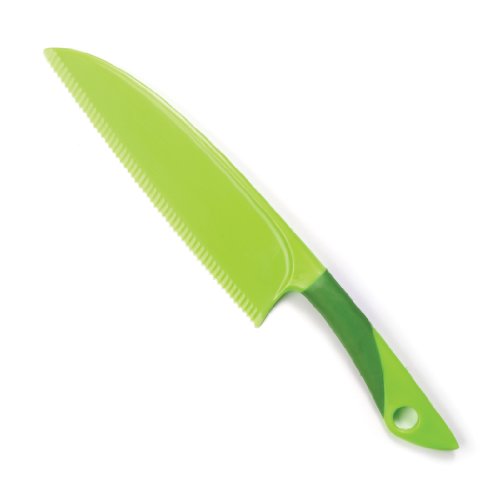
Consider alternatives to traditional knives for cutting lettuce. Salad scissors offer a unique solution. These scissors are designed to cut through leaves without bruising them, reducing oxidation. To use, simply gather a handful of leaves and snip them into desired sizes. Another option is a lettuce knife, often made from plastic, which cuts without damaging the delicate leaves as much as metal can. Both tools promote an easier and more efficient cutting experience while preserving freshness.
Preventative Measures
Preventing browning in cut lettuce involves specific actions that maintain freshness and reduce oxidation. These measures help keep your greens vibrant for longer.
Recommended Products

Keep your produce fresh for longer: The PrepSolutions Lettuce Keeper keeps your produce fresh with an adjustable air vent and water reservoir, creating the ideal environment for fresh fruits and vegetables. Item measures 12.5" W x 7.25" D x 5.25" H and weighs 1.14 lbs.

Better for different produce : You will get 4 sized fridge organizers and 4 matched colanders that could be used in the container or separate. Size from 0.32 L to 2.7 L [ 0.34 - 2.85 qt ]. Suited for berries, fruits, vegetables, meats

5 packs : You will get 5 fridge storage containers with colander size from 300 ml to 4200 ml [10 oz - 148 oz ]. Suited for Most fruits, vegetables, berries, meats.
Immediate Storage Solutions
Store cut lettuce immediately in a cool environment. Use airtight containers or resealable bags to limit air exposure, which causes oxidation. Including a damp paper towel in the container absorbs excess moisture, preventing sogginess while keeping the leaves crisp. Refrigerate the sealed container to maintain a consistent temperature. Aim for a fridge temperature below 40°F (4°C) for optimal freshness.
Acidity and Its Impact
Acidity can slow the browning process in lettuce. Spritz the cut edges with lemon juice or vinegar before storing. These acids deter oxidation and create a barrier against browning. For example, a light coating of lemon juice not only enhances flavor but also prolongs the lettuce’s visual appeal. If you prefer alternatives, consider using a salad dressing with vinegar to marinate your greens, thus adding flavor while minimizing browning.
Conclusion
Keeping your lettuce fresh and vibrant is totally achievable with a few simple tricks. By using the right cutting techniques and tools you can minimize damage and oxidation. Remember to choose fresh heads of lettuce and store them properly right after cutting.
Don’t forget that a little acidity can go a long way in preserving that crisp look. Spritzing with lemon juice or vinegar can help keep your greens looking their best. With these tips in mind you can enjoy beautiful salads without the worry of browning. Happy salad making!
Frequently Asked Questions
Why does cut lettuce turn brown?
Cut lettuce turns brown due to oxidation, a natural process activated when the leaves are exposed to oxygen. Enzymes like polyphenol oxidase get triggered, leading to discoloration.
What factors contribute to browning in lettuce?
Factors that contribute to browning include physical damage from improper cutting, excessive moisture, temperature fluctuations, prolonged air exposure, and improper storage.
How can I reduce browning in freshly cut lettuce?
To reduce browning, use a sharp knife for clean cuts, choose more resilient lettuce types like Romaine or Iceberg, and store them promptly in airtight containers.
What is the best way to store cut lettuce?
Store cut lettuce in a cool environment using airtight containers or resealable bags. Adding a damp paper towel can help absorb moisture while keeping the leaves crisp.
Can acidity help prevent browning in lettuce?
Yes, spritzing cut edges with lemon juice or vinegar can create a barrier against oxidation, slowing the browning process and enhancing flavor.
What cutting tools are recommended for lettuce?
Using a sharp chef’s knife, salad scissors, or plastic lettuce knives can minimize damage to the leaves, reducing oxidation and preserving visual appeal.
