

Have you ever wondered what romaine lettuce sprouts look like? If you’re curious about growing your own greens or just want to impress your friends with your gardening knowledge, knowing how these sprouts appear can be quite useful.
Key Takeaways
- Identification: Romaine lettuce sprouts are small, vibrant greens that emerge from seeds, featuring elongated, lightly serrated leaves with a smooth texture.
- Growth Stages: The sprouts undergo distinct stages: germination (5-10 days), seedling (cotyledons appear), and developing (true leaves emerge).
- Optimal Conditions: They thrive in temperatures between 60°F and 70°F, require 12-16 hours of indirect light daily, and prefer consistently moist, well-draining soil.
- Nutritional Benefits: Romaine lettuce sprouts are low in calories but rich in vitamins A, C, K, and essential minerals like calcium and potassium, along with dietary fiber.
- Culinary Uses: They can be added to salads, wraps, and soups, enhancing both flavor and nutrition, while providing a colorful presentation.
- Harvesting: At a height of 2 to 4 inches, sprouts are typically ready for culinary use within 2 to 4 weeks after germination.
Overview Of Romaine Lettuce Sprouts
Romaine lettuce sprouts appear as small, delicate greens. You’ll notice their vibrant, tender leaves emerging from tiny seeds. The initial sprouts often show a light green hue, gradually deepening to a richer shade as they mature. The leaves are smooth and slightly crunchy, giving them a fresh, appealing look.
Recommended Products

🥬 Heat-Tolerant Upright Romaine: Jericho Romaine Lettuce (Lactuca sativa) forms tall, sturdy heads with crisp ribs and tender, mildly sweet leaves. Known for its strong heat tolerance compared to many romaine varieties, it grows 18–24 inches tall and delivers reliable harvests in extended spring and early summer conditions.

4 Popular Heirloom Lettuce Varieties: Includes Red Romaine, Bibb Butterhead, Black Seeded Simpson, and Green Ice lettuce seeds to grow crisp, tender, and colorful salad greens with balanced flavor, texture, and visual appeal.

Characteristics of Romaine Lettuce Sprouts
- Size: Typically, romaine lettuce sprouts reach about 2 to 4 inches in height.
- Shape: The leaves grow in an elongated fashion, reminiscent of adult romaine heads.
- Texture: Sprouts have a soft, leafy texture that’s pleasant to touch.
Growth Stages
Observing the growth stages of romaine lettuce sprouts can enhance your understanding.
- Germination Stage: Seeds sprout within 5 to 10 days under optimal conditions.
- Seedling Stage: Tiny leaves, known as cotyledons, appear first, indicating the start of growth.
- Developing Stage: As time progresses, true leaves form, showcasing the distinct romaine shape.
Ideal Growing Conditions
Maintaining the right environment fosters healthy growth.
- Light: Provide around 12 to 16 hours of indirect light per day.
- Temperature: Aim for a range between 60°F and 70°F for optimal sprouting.
- Moisture: Keep the soil consistently moist, but avoid overwatering.
Usage in Culinary Dishes
Romaine lettuce sprouts offer a nutritious addition to various meals.
- Salads: Use them as a vibrant topping in salads for crunch and freshness.
- Wraps: Incorporate them into wraps for added texture.
- Garnishes: Sprinkle sprouts over soups or sandwiches for a pop of color and flavor.
By recognizing their unique characteristics and growth patterns, you can better appreciate romaine lettuce sprouts. Whether you’re growing them at home or incorporating them into your meals, their appearance and benefits shine through.
Appearance Characteristics
Romaine lettuce sprouts exhibit unique features that make them easily identifiable. Understanding these characteristics helps in recognizing their growth stages and culinary potential.
Color Variations
Romaine lettuce sprouts start as a bright, light green. As they mature, the color transitions to a deeper, richer green. Some varieties may display hints of purple or red at the leaf edges, adding to their visual appeal. This color change highlights their progress and readiness for harvest.
Leaf Shape and Texture
Romaine lettuce sprouts feature elongated, slightly serrated leaves. The leaves possess a smooth texture with a crisp crunch, providing a refreshing bite. Early-stage sprouts have softer leaves that become firmer as they grow. These traits enhance both the aesthetic and culinary experience.
Size and Growth Stage
Romaine lettuce sprouts typically reach a height of 2 to 4 inches. At this size, they are ready for use in salads and wraps. The growth stages include germination, where tiny shoots emerge, followed by the development of true leaves. Observing these stages allows you to gauge maturity and optimal harvesting times.
Growing Conditions
Romaine lettuce sprouts thrive in specific conditions that promote optimal growth. Understanding these requirements ensures healthy, vibrant sprouts.
Recommended Products

Upgraded with Adjustable Ventilation - Gardzen seed starter tray has been newly upgraded with two air vents added to the top, allowing you to easily adjust the ventilation for optimal seed growth. Say goodbye to stagnant air and hello to thriving plants!

Package includes: You will receive 50 transparent plant humidity covers, sufficient quantity and suitable size to meet your daily use and replacement needs
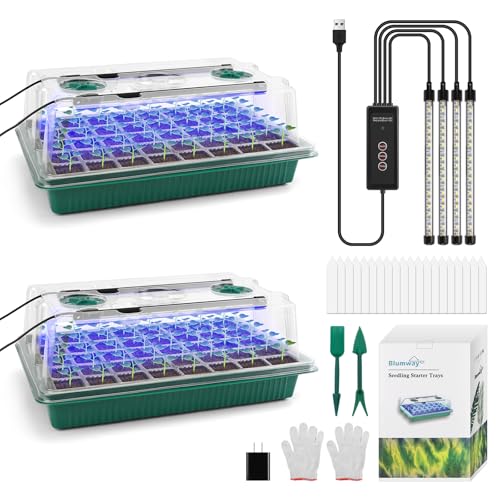
【360°Spectrum Seed Starter Tray with Grow Light】 The Larger 360°full-spectrum plant grow light in our seed start tray promotes healthier roots, faster germination, stronger seedlings. Seed starter kit with 4 full spectrum strip, mounted on the dome of garden plant starter kit. White & blue grow light helps seedlings grow faster and healthier. 3 lighting modes, 3 timer settings (3H/6H/12H), 5 brightness modes fully adjustable to your plants' needs. Your journey from seed to harvest starts here!
Ideal Environment
Romaine lettuce sprouts prefer a cool, well-ventilated space. Aim for temperatures between 60°F and 70°F. Ensure access to indirect sunlight, as direct exposure may cause wilting. Use a lightweight potting mix that retains moisture while allowing drainage. Maintain humidity levels by misting the sprouts or covering them with a plastic dome to create a greenhouse effect.
Timeframe for Sprouting
Romaine lettuce seeds germinate within 5 to 10 days. After planting, keep the soil consistently moist but not soggy. Once the seeds sprout, you’ll notice tiny leaves emerge. Continue to provide optimal conditions, allowing the sprouts to grow for about 2 to 4 weeks before harvesting. Regularly check their growth to determine the best time for your culinary use.
Nutritional Value
Romaine lettuce sprouts offer significant nutritional benefits that make them an excellent addition to your diet. These small greens are low in calories while packed with essential nutrients.
Recommended Products

Red Romaine: Features vibrant red-tinged leaves with green bases, offering a mild, slightly sweet flavor and crisp texture ideal for salads and garnishes.

The Best Value - Organo Republic Lettuce Romaine Seeds Pack contains 3 g or 2,600 Non-GMO heirloom lettuce seeds. Romaine Lettuce (Lactuca sativa longifolia) is known for its deeply lobed leaves and tender texture, making it the perfect addition to fresh vegetable salads or culinary creations.
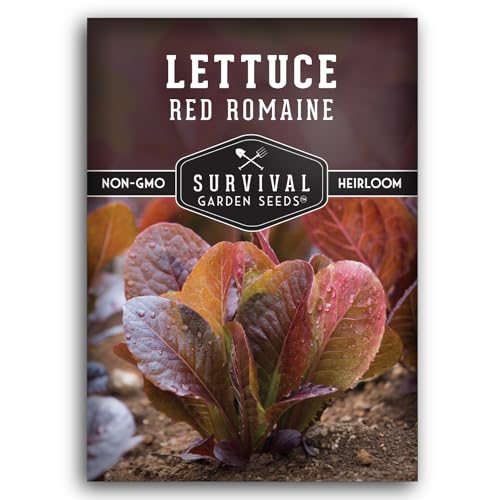
RED ROMAINE SEEDS FOR PLANTING – Striking lettuce has burgundy-to-ruby red leaves with crisp green hearts create a bold contrast in the garden and add vibrant color and flavor to Caesar salad and other dishes
Key Nutrients
- Vitamins: Romaine lettuce sprouts are high in vitamins A, C, and K. Vitamin A supports eye health, vitamin C boosts the immune system, and vitamin K is vital for proper blood clotting.
- Minerals: They contain minerals like calcium, potassium, and magnesium, which contribute to bone health, muscle function, and overall wellness.
- Fiber: The sprouts provide dietary fiber, aiding in digestion and promoting a healthy gut.
Antioxidants
Romaine lettuce sprouts are rich in antioxidants that combat free radicals in your body. Antioxidants help reduce oxidative stress and may lower the risk of chronic diseases.
Culinary Benefits
Adding romaine lettuce sprouts to meals enhances not just flavor but nutrition as well. You can include them in salads, wraps, and sandwiches for a crisp texture. Their vibrant color adds visual appeal, making dishes more enticing.
Serving Suggestions
- Salads: Toss sprouts into your favorite green salads for a nutritional boost.
- Wraps: Use them as a filling in wraps for added crunch and freshness.
- Garnishes: Sprinkle them on soups or entrees for extra color and nutrition.
Portion Size
Aim for about one cup of romaine lettuce sprouts per serving. This amount provides a good balance of nutrients without added calories.
By incorporating romaine lettuce sprouts into your meals, you enjoy their nutritional benefits and explore new flavors that enhance your cooking.
Conclusion
Romaine lettuce sprouts are a delightful addition to your garden and kitchen. Their vibrant colors and tender leaves not only make them visually appealing but also a nutritious choice for your meals. By understanding their growth stages and ideal conditions, you can easily cultivate these greens at home.
Whether you’re tossing them into salads or using them as garnishes, romaine lettuce sprouts offer a fresh crunch and a burst of flavor. So why not give them a try? You’ll enjoy the satisfaction of growing your own sprouts while reaping their health benefits. Happy gardening and cooking!
Frequently Asked Questions
What are romaine lettuce sprouts?
Romaine lettuce sprouts are small, delicate greens that grow from tiny seeds. They have vibrant, tender leaves that start off light green and deepen in color as they mature, usually ranging from 2 to 4 inches in size.
How do I identify romaine lettuce sprouts?
You can identify romaine lettuce sprouts by their elongated shape and smooth texture. The leaves may have serrated edges, starting as bright light green and transitioning to deeper shades, sometimes with hints of purple or red.
What are the ideal growing conditions for romaine lettuce sprouts?
Romaine lettuce sprouts thrive in cool, well-ventilated spaces with temperatures between 60°F and 70°F. They prefer indirect sunlight and a lightweight potting mix that retains moisture while allowing drainage, along with humidity maintenance through misting.
How long does it take for romaine lettuce sprouts to grow?
Romaine lettuce seeds typically germinate within 5 to 10 days. The sprouts can be harvested after 2 to 4 weeks of growth, depending on the desired size for culinary use.
What are the nutritional benefits of romaine lettuce sprouts?
Romaine lettuce sprouts are low in calories yet rich in vitamins A, C, and K, as well as minerals like calcium, potassium, and magnesium. They also contain antioxidants that help combat free radicals, potentially reducing chronic disease risk.
How can I use romaine lettuce sprouts in cooking?
Romaine lettuce sprouts are versatile in the kitchen. You can add them to salads, wraps, or use them as garnishes. A recommended portion size is about one cup per serving, enhancing both flavor and nutrition in your meals.
