

Have you ever found yourself staring at a thriving lettuce plant, wondering how to enjoy those fresh leaves without killing the whole thing? You’re not alone. Many home gardeners face the challenge of harvesting lettuce while keeping their plants healthy and productive.
Key Takeaways
- Understanding Plant Growth: Recognize the growth patterns of lettuce to manage harvests effectively and enjoy multiple cuttings.
- Types of Lettuce: Familiarize yourself with common lettuce varieties, such as Romaine, Iceberg, Butterhead, and Leaf Lettuce, each requiring different cutting methods.
- Optimal Harvesting Times: Harvest lettuce leaves when they reach 4-6 inches in length, ideally early in the morning for best flavor and crispness.
- Preparation is Key: Use clean, sharp tools and maintain hygiene by washing hands and sanitizing tools to reduce the risk of disease.
- Effective Cutting Techniques: Cut outer leaves first at a 45-degree angle above the stem to promote regrowth, and handle leaves carefully to avoid damage.
- Post-Harvest Care: After cutting, water the lettuce plants, provide proper nutrition, and regularly check for pests and diseases to support ongoing plant health.
Understanding Lettuce Plant Growth
Lettuce plants grow rapidly and can provide multiple harvests. Recognizing their growth patterns helps you manage your harvest effectively.
Types of Lettuce Plants
Different lettuce types require specific care and harvesting methods. Here are some common varieties:
- Romaine: Tall with sturdy leaves, ideal for salads. You can cut the outer leaves while leaving the inner ones to grow.
- Iceberg: Known for its crisp texture, this variety forms a dense head. Harvest the entire head by cutting it at the base.
- Butterhead: Soft, tender leaves with a sweet flavor. Cut the leaves close to the stem, allowing new leaves to grow.
- Leaf Lettuce: Grows in a loose, leafy arrangement. Pick outer leaves first while leaving the inner leaves for continued growth.
When to Harvest Lettuce
Timing is crucial for optimal flavor and texture. Here are ideal times for harvesting lettuce:
- Leaves: Begin harvesting when leaves reach about 4-6 inches in length, typically 3-4 weeks after planting.
- Heads: For head lettuce, wait until heads feel firm to the touch, usually around 6-8 weeks post-planting.
- Season: Early morning is the best time to harvest. Temperatures are cooler, ensuring fresh, crisp leaves.
Careful monitoring will enhance your gardening experience and yield fresh lettuce for your meals.
Preparing for Cutting Lettuce Leaves
Before you start cutting your lettuce leaves, gathering the right tools and maintaining hygiene are crucial steps. These preparations ensure that you harvest effectively while keeping your plant healthy.
Recommended Products

HERB GARDENING ESSENTIAL: Stainless steel blade plant shears with sheath ideal for harvesting herbs outdoors or with a window herb garden for kitchen; encourages overall lawn and garden health, or perfect gift to go with any indoor herb garden kit
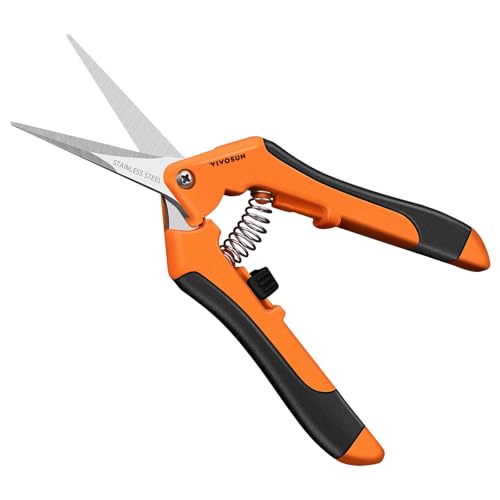
Reduce Hand Strain: These micro tip snips are made to reduces hand fatigue which makes them great for those with arthritis, carpal tunnel, hand or wrist issues; Comfortable “grip” handles will make it easy to work for long-time use without making you feel hand pain

MULTI-PURPOSE GARDEN SCISSORS: Steel blade pruners for gardening featuring a straight edge, a serrated edge, and a wire cutter ideal for opening bags, cutting through landscape fabrics and ropes, and a variety of other gardening tasks
Tools You’ll Need
- Sharp Scissors or Shears: Use clean, sharp scissors or garden shears for a clean cut. This prevents damage to the plant and reduces the risk of disease.
- Clean Container: Collect fresh leaves in a clean bowl or basket to avoid contamination. Ensure the container is free from dirt or old plant material.
- Garden Gloves: Wear gloves to protect your hands from dirt and potential irritants. Choose gloves that allow for dexterity while holding the scissors.
- Water Spray Bottle: Mist the leaves lightly before cutting, if necessary. This can help keep them fresh during the harvesting process.
- Wash Hands: Always wash your hands thoroughly before handling lettuce. This minimizes the risk of transferring bacteria.
- Clean Tools: Wipe down your scissors or shears with rubbing alcohol or a bleach solution. Sanitize tools before and after each use to prevent the spread of pathogens.
- Select Clean Leaves: Inspect the leaves for any signs of pests or disease. Avoid harvesting any leaves that look unhealthy.
- Store Properly: After cutting, store lettuce leaves right away in a cool area or in the refrigerator. Keeping them at lower temperatures slows down spoilage.
By preparing properly, you enhance the quality and safety of your lettuce harvest.
Techniques for Cutting Lettuce Leaves
Cutting lettuce leaves effectively encourages continued growth and maximizes your harvest. Utilize these techniques to ensure a healthy and productive lettuce plant.
Recommended Products

Multifunction: The VIBIRIT herb scissors set provides a pair of herb shears, a herb stripper, and a peeler with three different blades. They can help you easily handle a large number of kitchen tasks, such as cutting meat, turkey, and poultry bones. You can not only use it to cut various vegetables, herbs, fruits, cut noodles and even pizza, but also peel potatoes, carrots, zucchini, cucumbers, apples, and avocados. No chopping boards and choppers are needed, bringing more convenience to your kitchen work.

Efforts-Saving Design -- The energy-saving damping spring design brings comfortable spring force to your cutting action, reduces the burden on your hands, and can adapt to long-term work. These snips great for those with arthritis, carpal tunnel, hand or wrist issues. The point is extra long and sharp so you can reach in tights spots to cut your succulents of plants.
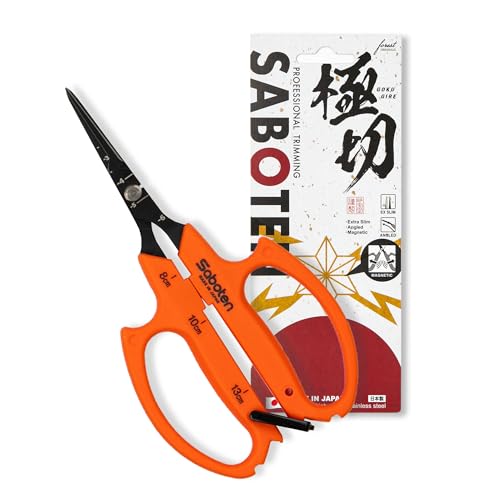
✅【Automatic Magnetic “Springless” Action】 Feel the difference immediately: the built-in magnetic repulsion reopens the blades smoothly after every cut. No metal spring fatigue, no wobble, just a clean, consistent rhythm that’s ideal for repetitive trimming and harvesting.
Using Scissors or Shears
- Select sharp scissors or garden shears for clean cuts.
- Position the scissors or shears just above the leaf stem.
- Cut the leaves at a 45-degree angle to encourage quicker healing.
- Avoid cutting directly at the base to promote regrowth.
- Place the harvested leaves in a clean container immediately to prevent wilting.
- Examine the leaves and choose the outer leaves first for cutting.
- Pinch the leaf stem gently with your fingers to avoid damaging surrounding leaves.
- Twist or pull the leaves with a slight motion to detach them cleanly.
- Harvest early in the morning for optimal crispness and flavor.
- Wash the picked leaves promptly to remove any debris or pests.
By applying these techniques, you’ll enjoy fresh lettuce while keeping your plants healthy for future harvests.
Aftercare for Lettuce Plants
After cutting lettuce leaves, providing proper care ensures ongoing health and productivity in your lettuce plants.
Recommended Products

PEST DEFENSE - Insecticidal Super Soap controls species of adelgid, ant, aphid, borer, caterpillar, spider mite, cricket, chinch bug, weevil, fly, thrip, & more.
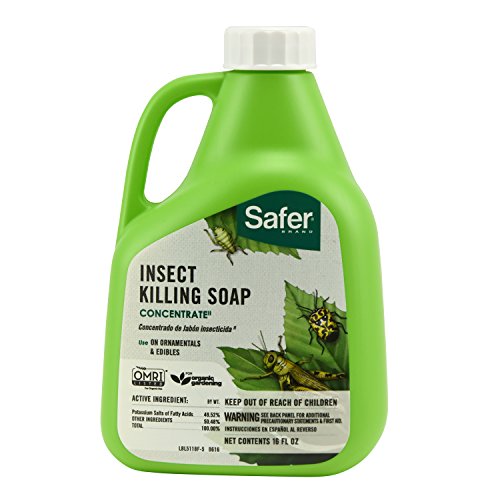
GENTLE ON MOST PLANTS - This aphid spray is ideal for use on flowers, herbs, vegetables, houseplants, lawn, tree, shrubs, and more

EASY TO USE: The ready-to-use indoor bug spray bottle makes application easy
Watering and Nutrition
Water thoroughly after harvesting to hydrate the plant. Maintain consistent soil moisture; avoid waterlogging. Check the soil weekly and water when the top inch feels dry. Fertilize lightly with a balanced, water-soluble fertilizer every 2-3 weeks. Aim for nutrients like nitrogen to promote leaf growth. Observe for signs of nutrient deficiency, such as yellowing leaves, and adjust your feeding schedule accordingly.
Pest and Disease Management
Inspect leaves regularly for pests or disease signs. Look for aphids, slugs, and caterpillars. Hand-pick larger pests or use insecticidal soap for control. Practice crop rotation or companion planting to minimize disease risk. Ensure adequate airflow around plants to reduce moisture buildup, which can lead to fungal diseases. Remove any diseased or damaged leaves immediately to prevent further spread.
Conclusion
Harvesting your lettuce can be a rewarding experience when done right. By following the tips and techniques outlined, you can enjoy fresh, crisp leaves while keeping your plants healthy and productive. Remember to always use clean tools and practice good hygiene to ensure the best results.
After cutting, give your plants some extra care with proper watering and light fertilization to encourage new growth. Keep an eye out for pests and diseases to maintain a thriving garden. With a little attention and care, you’ll be able to savor delicious lettuce throughout the growing season. Happy gardening!
Frequently Asked Questions
How do I harvest lettuce without damaging the plant?
To harvest lettuce without causing damage, use sharp scissors or shears to cut the outer leaves. Position your cuts just above the leaf stem at a 45-degree angle. This method encourages continued growth and helps the plant remain healthy.
When is the best time to harvest lettuce?
The optimal time to harvest lettuce is in the early morning. At this time, the leaves are crisp and flavorful. Harvest leaves when they reach 4-6 inches in length or when heads feel firm for the best taste and texture.
What tools do I need to harvest lettuce?
Essential tools for harvesting lettuce include sharp scissors or shears, a clean container for collected leaves, garden gloves for protection, and a water spray bottle to keep the leaves hydrated. Clean tools help prevent contamination.
How should I store harvested lettuce?
To maintain freshness, store harvested lettuce in a clean, dry container in the refrigerator. It’s best to wash the leaves first and then wrap them in a damp paper towel before placing them in a plastic bag for added moisture retention.
What care should I give lettuce plants after harvesting?
After harvesting, ensure proper care by watering the plants thoroughly to maintain soil moisture. Lightly fertilize with a balanced, water-soluble fertilizer every 2-3 weeks to promote regrowth, and regularly check for pests and diseases.
