

Are you tired of those oversized lettuce heads taking over your garden space? You’re not alone! Many gardeners struggle with knowing when and how to crop lettuce effectively. Whether you’re growing it for salads or sandwiches, learning the right techniques can make a huge difference in your harvest.
Key Takeaways
- Timing is Crucial: Crop lettuce when heads reach 6-8 inches in size, typically 65-80 days after planting, and avoid harvesting in high temperatures to prevent bolting.
- Essential Tools: Use a sharp knife and gloves for harvesting, and a basket for easy transport of freshly cut lettuce.
- Harvesting Techniques: Cut lettuce at the base, leaving an inch of stem for potential regrowth, and stagger your harvest for continuous supply.
- Post-Harvest Care: Water freshly harvested lettuce immediately and store it in a cool, dark place to extend freshness.
- Optimal Growing Conditions: Ensure well-draining soil with a pH of 6.0-7.0, cooler temperatures, and adequate sunlight exposure for healthy lettuce growth.
- Regular Maintenance: Monitor for pests and diseases, and provide consistent watering and light fertilization to support vigorous growth.
Understanding Lettuce Cropping
Understanding proper lettuce cropping methods enhances your gardening experience and improves yield. Follow these essential guidelines:
Timing Your Cropping
- Peak Growth: Crop lettuce when heads reach a size of 6 to 8 inches. This size typically occurs 65 to 80 days after planting, depending on the variety.
- Season Consideration: In cooler months, crop before temperatures exceed 75°F. Heat can cause bolting, leading to bitter leaves.
Choosing the Right Tools
- Sharp Knife: Utilize a sharp, clean knife for clean cuts, promoting better regrowth.
- Gloves: Wear gloves to protect your hands from the sap, which can irritate sensitive skin.
- Basket: Use a basket for easy transport of harvested heads.
Cropping Techniques
- Cutting Method: Slice the lettuce head at the base, leaving about an inch of stem. This encourages potential regrowth.
- Harvesting in Stages: If you’ve planted multiple varieties, stagger your cropping. This ensures a continuous supply of fresh lettuce.
Signs of Maturity
- Color: Look for vibrant green or red hues, indicating optimal flavor and texture.
- Firmness: Gently squeeze the head. A firm texture signals readiness for cropping.
Post-Harvest Care
- Immediate Watering: Water your freshly cropped lettuce to maintain freshness.
- Cool Storage: Store harvested heads in a cool, dark place to extend shelf life.
- Pest Damage: Check for pests. If detected, use organic pesticides to minimize impact.
- Disease Indicators: Monitor for yellow or wilting leaves. This may signal disease or nutrient deficiency.
Following these considerations ensures a successful lettuce cropping experience, providing fresh additions to your salads and sandwiches.
Ideal Conditions for Lettuce Growth
Lettuce thrives under specific conditions. Understanding these can significantly enhance your crop yield and quality.
Recommended Products
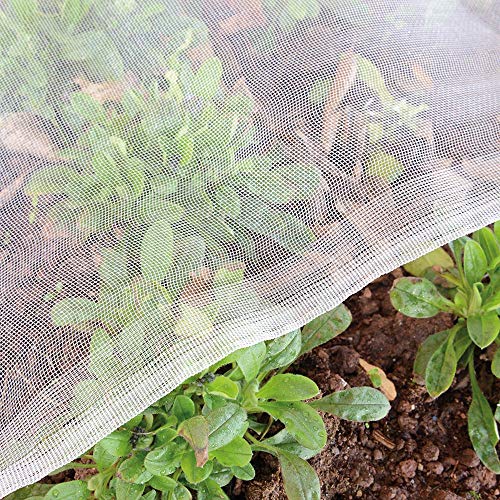
🥬Effective Bug Barrier: Protecting plants and vegetables from a wide range of pest insects and animals, such as cicadas, carrot fly and many species of aphids, you will get a healthier and happier garden

Protection Function: The raised garden bed plant protectors quickly create a closed space that protects the plants from insects, birds and animals, while also allowing sunlight air and moisture to enter, and providing a healthy environment for plant growth.

Cover Large Area: Select from an extensive range of sizes tailored to meet your gardening requirements; The frost plant covers are available in 10x10FT, 10x20FT, 10x30FT, and 10x50FT, ensuring a snug fit for gardens of every dimension; The frost blankets are durable and easy to cut to provide the perfect coverage for gardens of all shapes and sizes
Soil Requirements
Choose well-draining soil with a pH level between 6.0 and 7.0. This range is optimal for nutrient absorption. Amending soil with organic matter, like compost or well-rotted manure, boosts fertility and moisture retention. Aim for a soil depth of at least 12 inches to allow roots to grow freely. You can add a balanced fertilizer before planting to ensure nutrient availability.
Temperature and Light Needs
Lettuce prefers cooler temperatures, thriving best between 60°F and 70°F. High temperatures cause bolting, where lettuce goes to seed prematurely. Protect your crop by planting in early spring or late summer.
Provide full sun exposure for at least 6 hours daily. You can use row covers to shield young plants from heat and pests. For fall planting, ensure you harvest before the first frost to get the best flavor and texture.
Steps for Cropping Lettuce
Successfully cropping lettuce involves several key steps. Follow these guidelines for an abundant and healthy harvest.
Recommended Products

4 Popular Heirloom Lettuce Varieties: Includes Red Romaine, Bibb Butterhead, Black Seeded Simpson, and Green Ice lettuce seeds to grow crisp, tender, and colorful salad greens with balanced flavor, texture, and visual appeal.
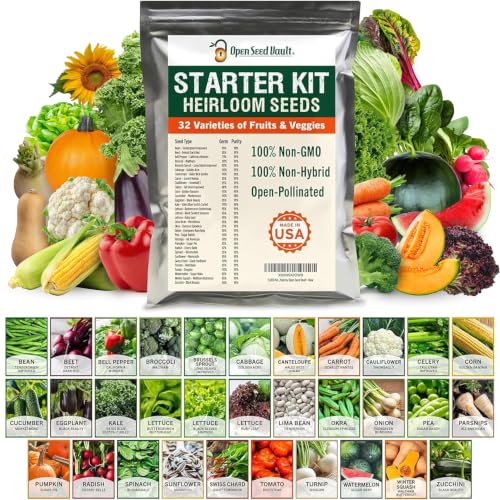
COMPLETE VEGETABLE GARDEN VARIETY PACK – Grow a thriving home garden with 32 popular vegetable seeds including Bean, Beet, Bell Pepper, Broccoli, Brussels Sprout, Cabbage, Cantaloupe, Carrot, Cauliflower, Celery, Corn, Cucumber, Eggplant, Kale, Lettuce (3 types), Lima Bean, Okra, Onion, Pea, Parsnip, Pumpkin, Radish, Spinach, Sunflower, Swiss Chard, Tomato, Turnip, Watermelon, Zucchini. A diverse mix perfect for fresh meals, backyard gardens, and sustainable growing.

EASIER SEED STARTING: Our Burpee SuperSeed tray with 36 flexible pop-out cells is designed to simplify indoor seed starting for all your favorite vegetables, flowers and herbs. Just add seed starting mix, seeds, water and light to get growing! Rows are labeled alphanumerically for seedling identification with included Plant-o-Gram diagram. Tray dimensions: 11.5" x 10-3/8" x 2-1/4"
Planning Your Crop Layout
Mapping out your garden space ensures efficient use of resources. Utilize raised beds or rows for better drainage and air circulation. Space lettuce heads 12 to 18 inches apart to allow adequate room for growth. Arrange crops in a way that maximizes sunlight exposure. Consider companion planting, such as pairing lettuce with radishes, which can help enhance growth.
Seed Selection and Sowing
Choosing the right lettuce variety impacts yield and flavor. Popular types include Romaine, Butterhead, and Leaf lettuce. Purchase seeds from reputable suppliers for reliable germination. Sow seeds directly into moist soil, planting them about ¼ to ½ inch deep. For quick growth, maintain soil temperatures between 60°F and 70°F. Thin seedlings to avoid overcrowding, leaving one strong plant per spot, and re-sow every few weeks for continuous harvest.
Caring for Lettuce Plants
Caring for your lettuce plants includes regular watering and maintenance. Water deeply but infrequently, aiming for about 1 inch per week. Mulch around plants to retain moisture and suppress weeds. Monitor for pests like aphids and slugs, addressing any issues promptly with organic solutions. Fertilize lightly with a balanced fertilizer every 4 to 6 weeks, focusing on nitrogen-rich options for leafy growth. Ensure you harvest before the plants bolt for the best flavor and texture.
Harvesting Lettuce
Harvesting lettuce at the right time enhances flavor and ensures quality. Focus on these details for a successful process.
Recommended Products

1.Packaging: Silicone thumb knife * 2, Anti-Cut finger cover * 2, Storage bag * 1

Our Harvesting tool set is designed for garden harvesting, also ideal for pruning and kitchen use. You can wear the silicone knife with the cut resistant finger protector for comfortable, safe and efficient work.

Novelty Silicone Thumb Knife: The blade is made of grade A imported stainless steel, easy to cut in, easy to clean, easy and labor-saving. With a special silicone finger cover, the unique elasticity makes you feel comfortable when you wear it
Timing the Harvest
Aim to harvest lettuce when heads reach 6 to 8 inches in diameter. Typically, lettuce is ready about 60 to 90 days after planting, depending on the variety. Look for signs like vibrant green color and firm texture. Better-tasting lettuce comes from timely harvesting. For optimal flavor, pick in the early morning when temperatures are cooler. Always check your local climate conditions since they can affect growth rates.
Proper Cutting Techniques
Use a sharp knife or garden shears for cutting. Start by positioning your tool at the base of the lettuce head. Cut at a slight angle to minimize damage. If you prefer cutting individual leaves, remove outer leaves first, allowing the inner ones to continue growing. This method encourages multiple harvesting sessions. Always wear gloves to protect your hands and avoid direct contact with any potential pests or diseases. After harvesting, rinse your lettuce thoroughly and place it in a cool, shady area to preserve freshness before storage.
Conclusion
Growing your own lettuce can be a rewarding experience. By mastering the right cropping techniques and knowing when to harvest you’ll enjoy fresh and flavorful greens right from your garden. Remember to pay attention to the signs of maturity and use the proper tools for a successful harvest.
With a little care and attention your lettuce can thrive in the ideal conditions you create. Whether you’re tossing it in a salad or layering it on a sandwich your homegrown lettuce will surely elevate your meals. So get out there and enjoy the process of growing and harvesting your delicious lettuce!
Frequently Asked Questions
What causes oversized lettuce heads in gardens?
Oversized lettuce heads typically result from improper timing in harvesting. When lettuce is left too long in the garden, it can grow larger than desired, taking up valuable space and reducing yield. Understanding the signs of maturity is crucial to avoid this problem.
When is the best time to harvest lettuce?
The ideal time to harvest lettuce is when heads reach 6 to 8 inches in diameter, usually between 60 to 90 days after planting. Signs of maturity include vibrant color and firm texture. Morning harvesting is recommended for optimal flavor.
What tools do I need for harvesting lettuce?
For an effective lettuce harvest, you will need a sharp knife or garden shears and gloves. Using a sharp blade helps make cleaner cuts, while gloves protect your hands from any potential irritation from the plant.
How should I care for lettuce after harvesting?
After harvesting, immediately rinse the lettuce and store it in a cool, shady area. This helps maintain freshness and crispness. Proper post-harvest care is essential for preserving flavor and quality.
What conditions are necessary for lettuce growth?
Lettuce thrives in well-draining soil with a pH level of 6.0 to 7.0, enriched with organic matter. It prefers cooler temperatures between 60°F and 70°F and needs full sun exposure for at least 6 hours daily.
How can I prevent lettuce from bolting?
To prevent bolting, plant lettuce in early spring or late summer, and ensure cooler growing conditions. Maintaining consistent watering, proper spacing, and using row covers can help reduce stress that triggers bolting.
What are effective cropping techniques for lettuce?
Effective cropping techniques include cutting at the base and harvesting in stages. Utilize a sharp knife angled slightly for clean cuts, and space plants 12 to 18 inches apart for optimal growth and air circulation.
How can I check if my lettuce is mature?
Check for maturity by examining the size, color, and firmness of the heads. Maturity signs include heads measuring 6 to 8 inches in diameter, vibrant green color, and a firm texture. Regular monitoring ensures timely harvesting.
