

Have you ever wondered how to protect your tomato plants during the chilly nights? Picture this: you’ve nurtured your tomato garden with care, only to worry about its well-being when the temperatures drop. In this article, we’ll show you a simple yet effective way to shield your precious tomato plants from the cold night air.
By learning how to cover your tomato plants at night, you can ensure they thrive and continue to yield delicious tomatoes. With our easy-to-follow tips and techniques, you’ll be able to safeguard your plants and enjoy a bountiful harvest. Stay tuned as we guide you through the process of protecting your tomato plants when the sun goes down.
Key Takeaways
- Covering tomato plants at night is crucial to protect them from cold temperatures that can stunt growth and reduce fruit yield.
- Plastic covers create a barrier trapping heat, while fabric covers offer insulation with breathability for tomato plants.
- Regular check-ups are essential to ensure covers are intact, pests are kept out, and temperature fluctuations are monitored near the plants.
- Adjust coverings based on weather changes, such as partially uncovering during warmer nights or adding extra insulation for colder nights.
Understanding the Need to Cover Tomato Plants at Night
When it comes to your tomato plants, understanding why covering them at night is essential can make a significant difference in their growth and fruit production. Let’s delve into the reasons behind this practice.
Why Temperature Matters for Tomatoes
Tomato plants are sensitive to temperature fluctuations, especially during the night when temperatures drop. Cold nights can stunt their growth and even lead to frost damage, affecting the overall health of the plant. By covering your tomato plants at night, you create a protective barrier that helps maintain a stable and warmer environment around them, promoting healthy growth.
Risks of Not Protecting Tomato Plants
Failing to cover your tomato plants at night exposes them to potential harm caused by cold weather conditions. Without protection, chilly nights can stress the plants, slowing down their development and reducing fruit yield. Additionally, extreme cold may cause irreversible damage to the plant tissues, impacting its ability to produce tomatoes effectively. By overlooking this simple yet crucial step of covering your tomato plants at night, you risk jeopardizing their growth and ultimately compromising your harvest.
Choosing the Right Materials for Covering Tomato Plants
When it comes to protecting your tomato plants at night, selecting the appropriate materials for covering them is crucial. Here are some key considerations for choosing the right covers:
Recommended Products

Product Features: Our plant covers are ideal for protecting all plant. Made from premium 1 oz/sq non-woven fabric, their durability and breathability ensuring both insulation against frost and facilitation of sunlight penetration for healthy plant growth

THICKER MATERIAL: Our plant freeze protection cover is made of UV stabilized polypropylene. Upgraded thicker 0.9oz./sq.yard lightweight but durable. Soft plant covers are friendly and no harm to your plants. Breathable non-woven fabric allow light, air go through the frost cloths and reach the plants.

※Big Size to cover large area : The size of our plant cover is 10x30ft, the size can cover large areas. You can cut the plant covers freeze protection into different sizes for different use. You can cover it over the plant such as shrub tomato, pepper, pumpkin, and so on.
Using Plastic Covers
For a cost-effective and easy-to-find option, consider using plastic covers to shield your tomato plants. Plastic offers protection against chilly temperatures and frost by creating a barrier that traps heat close to the plants. Ensure that the plastic cover reaches all the way to the ground to retain warmth effectively.
Opting for Fabric Covers
Fabric covers provide a breathable alternative for protecting tomato plants while still offering insulation against cold weather. Choose fabrics specifically designed for plant protection, such as frost cloth or row cover material. These covers allow air and moisture circulation while safeguarding your plants from temperature fluctuations.
By carefully selecting between plastic and fabric covers based on your specific needs, you can ensure that your tomato plants are well-protected during chilly nights, promoting healthy growth and maximizing fruit production.
Step-by-Step Guide on How to Cover Tomato Plants at Night
To ensure your tomato plants thrive even on cold nights, follow these simple steps:
Recommended Products

Comprehensive Package: This plant covers freeze protection kit comes with everything you need for hassle-free winter plant protection. You'll receive a large 10 ft x 30 ft 1.41 oz/yd² dark green frost plant cover, 20pcs gardening clips, 14pcs ropes for secure binding, and 14pcs metal stakes, ensuring that your plants are well-protected and secured, and ideal for both beginner and experienced gardeners

3 Pack Quantity and Size: the set includes 3 white tomato plant covers, each measuring about 59.1 x 17.7 inches (150 x 45 cm); The tall rectangular shape fits vertical planter boxes and square tomato cages, surrounding upright plants more closely than loose frost blankets while keeping separate growing areas covered and organized
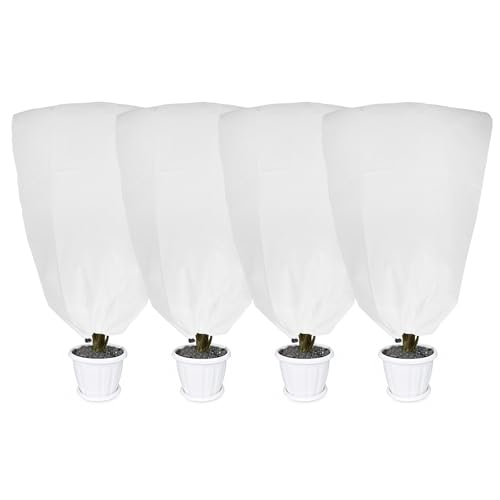
❄【Winter Plant Covers】-You will get 4 sets of frost blankets for outdoor plants measuring 47.2"×31.5", easy to use and fitting the growings easily. Perfect choice for your garden to protect plants in winter.
Preparing Your Materials
- Gather the Necessary Supplies: You’ll need materials like fabric covers or plastic sheets to shield your tomato plants from nighttime chill.
- Check for Damage: Before covering your plants, inspect the covers for any tears or holes that could let in cold air.
- Select the Right Material: Depending on your needs, choose between breathable fabric covers for insulation or plastic sheets to trap heat effectively.
- Anchor the Covers Securely: Use sturdy clips or stakes to fasten the covers in place and prevent them from being blown away by wind.
- Seal Off Any Gaps: Ensure there are no openings where pests or cold air can sneak in, compromising the protection of your tomato plants.
By following these steps diligently, you can safeguard your tomato plants against chilly nights and ensure a bountiful harvest.
Tips for Monitoring and Maintaining Covered Tomato Plants
Recommended Products

PRODUCT FEATURES: Our plant covers are ideal for protecting all plant. Made from premium 1.4 oz/sq non-woven fabric, their durability and breathability ensuring both insulation against frost and facilitation of sunlight penetration for healthy plant growth

Premium materials: Freeze cloths for plants is crafted from quality non-woven fabric,features excellent protection against the cold whilst ensuring good breathability.Create a comfortable growth environment for plants
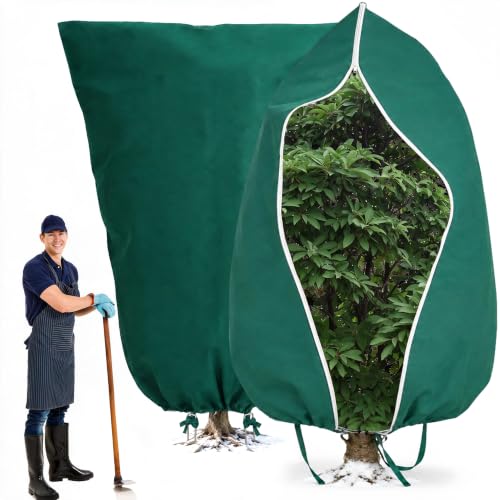
Comprehensive Package: You will receive 2pcs large 96×96 inch 2.4 oz/yd² dark green frost plant covers. Each cover comes with a side zipper, drawstring with cord lock, 8pcs metal stakes, 3 reinforced tie straps, and product manual.
Regular Check-ups
To ensure your covered tomato plants are well-protected, it’s essential to conduct regular check-ups. Inspect the covers for any tears or damage that could compromise their effectiveness. Look out for pests that may have found their way under the covers and take prompt action to address any issues. Monitor the temperature fluctuations by using a thermometer placed near the plants to ensure they are adequately insulated.
Adjustments for Weather Changes
Be prepared to make adjustments to the covers based on weather changes. During warmer nights, you may need to partially uncover the plants to prevent overheating. On colder nights, consider adding an extra layer of insulation such as blankets or straw under the covers for added protection. Stay vigilant and adapt your covering strategy as needed to provide optimal conditions for your tomato plants throughout the night.
Conclusion
Now that you’ve learned the importance of covering your tomato plants at night, remember to regularly check on them for any issues. Adjust the covering based on temperature changes to ensure your plants stay protected and thrive. By following these simple steps, you’ll create a cozy environment for your tomatoes to grow and produce delicious fruits. Happy gardening!
Frequently Asked Questions
Why is it important to protect tomato plants during cold nights?
Protecting tomato plants during cold nights is crucial to prevent frost damage and ensure optimal growth and fruit production.
What materials can be used to cover tomato plants?
Materials like fabric covers or plastic sheets can be used to shield tomato plants from temperature fluctuations and frost damage.
How should I cover my tomato plants effectively?
Cover your tomato plants by draping fabric covers or plastic sheets over them, ensuring they are securely anchored around the base of the plant.
Why is it necessary to regularly check covered tomato plants?
Regularly checking covered tomato plants allows you to inspect for tears, pests, and monitor temperature levels for effective protection.
How should I adjust plant covering based on weather changes?
Adjust plant covering by uncovering slightly on warmer nights and adding extra insulation on colder nights to maintain ideal conditions for your tomato plants.
